
Why Your Oral Health Is a Window to Your Overall Well-Being
Bad teeth are more than just a cosmetic concern that affects your smile. They're a serious health issue that can impact your entire body. Understanding what bad teeth really mean—and what you can do about them—is the first step toward better health.
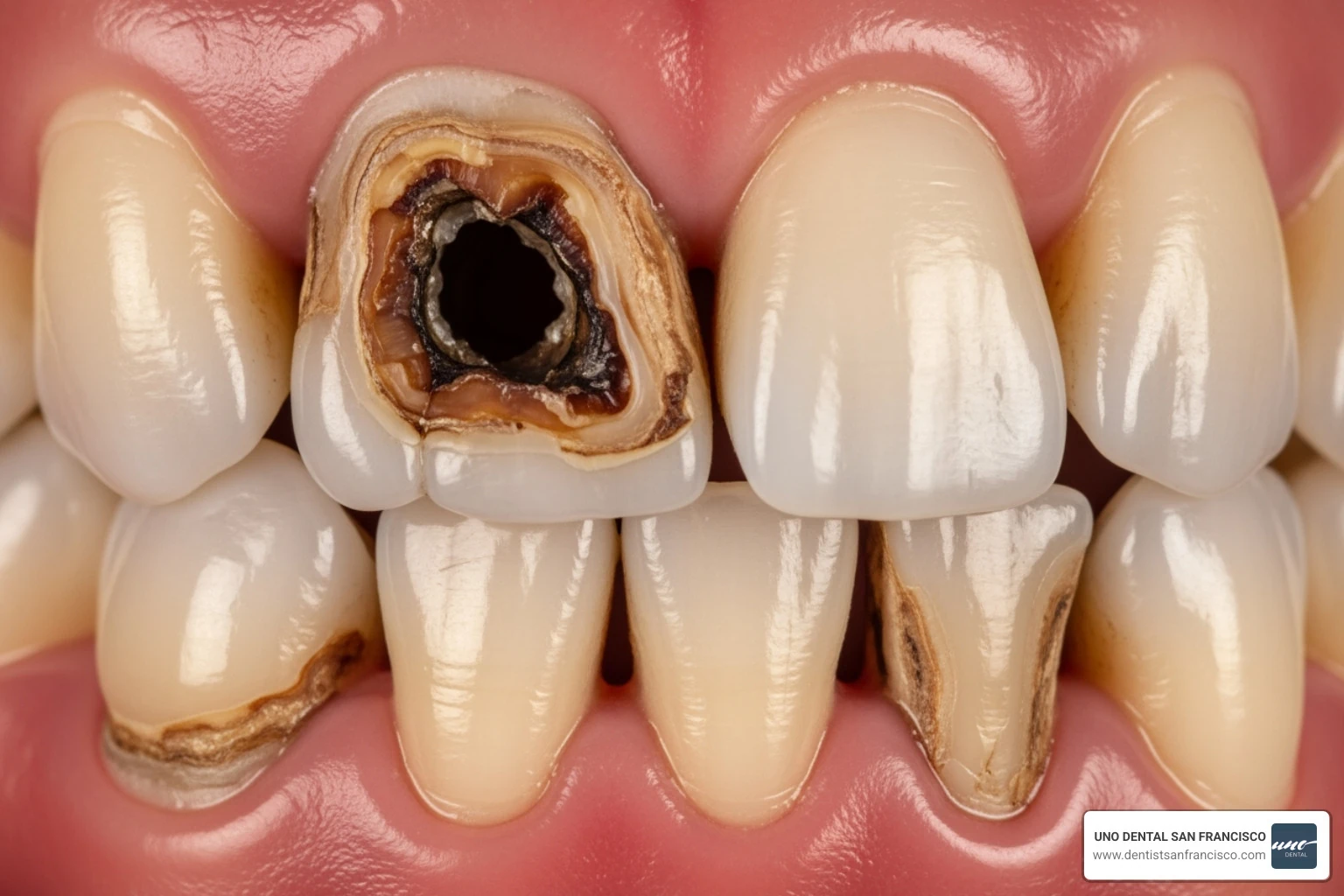
What "Bad Teeth" Really Means:
- Tooth Decay: Cavities, holes, or damaged enamel caused by bacteria and acid
- Gum Disease: Inflammation and infection affecting the gums and supporting bone
- Misalignment: Crooked, crowded, or improperly positioned teeth
- Discoloration: Staining or changes in tooth color from brown to black
- Structural Issues: Cracked, chipped, or missing teeth
Why It Matters:
Your mouth is the entry point to your digestive and respiratory systems. When oral health suffers, bacteria and inflammation can spread throughout your body, increasing your risk of heart disease, stroke, diabetes, pneumonia, and pregnancy complications. Almost half of all adults in the United States have some form of gum disease—the leading cause of tooth loss.
The good news? Most dental problems are preventable, and many can be treated successfully when caught early.
As Dr. Mohammad Aghiad Kandar, practicing at UNO DENTAL SAN FRANCISCO, I've spent over 15 years helping patients understand and treat bad teeth through comprehensive restorative and preventive care. My approach combines advanced techniques with patient education to address not just the symptoms, but the root causes of poor oral health.
What Causes Bad Teeth and What Are the Warning Signs?
Understanding what leads to bad teeth gives you the power to protect your smile. At UNO DENTAL SAN FRANCISCO, we help patients take control by identifying the root causes of their dental issues.
The Main Culprits Behind Poor Dental Health
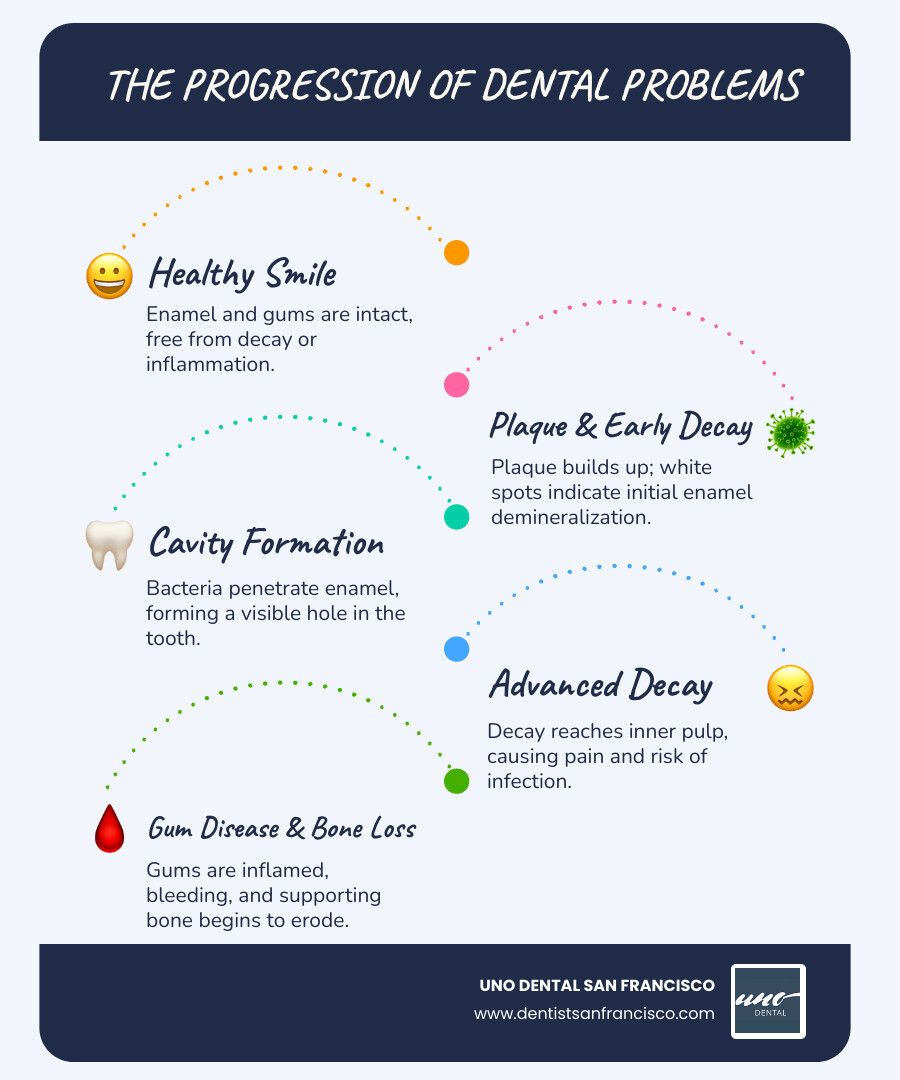
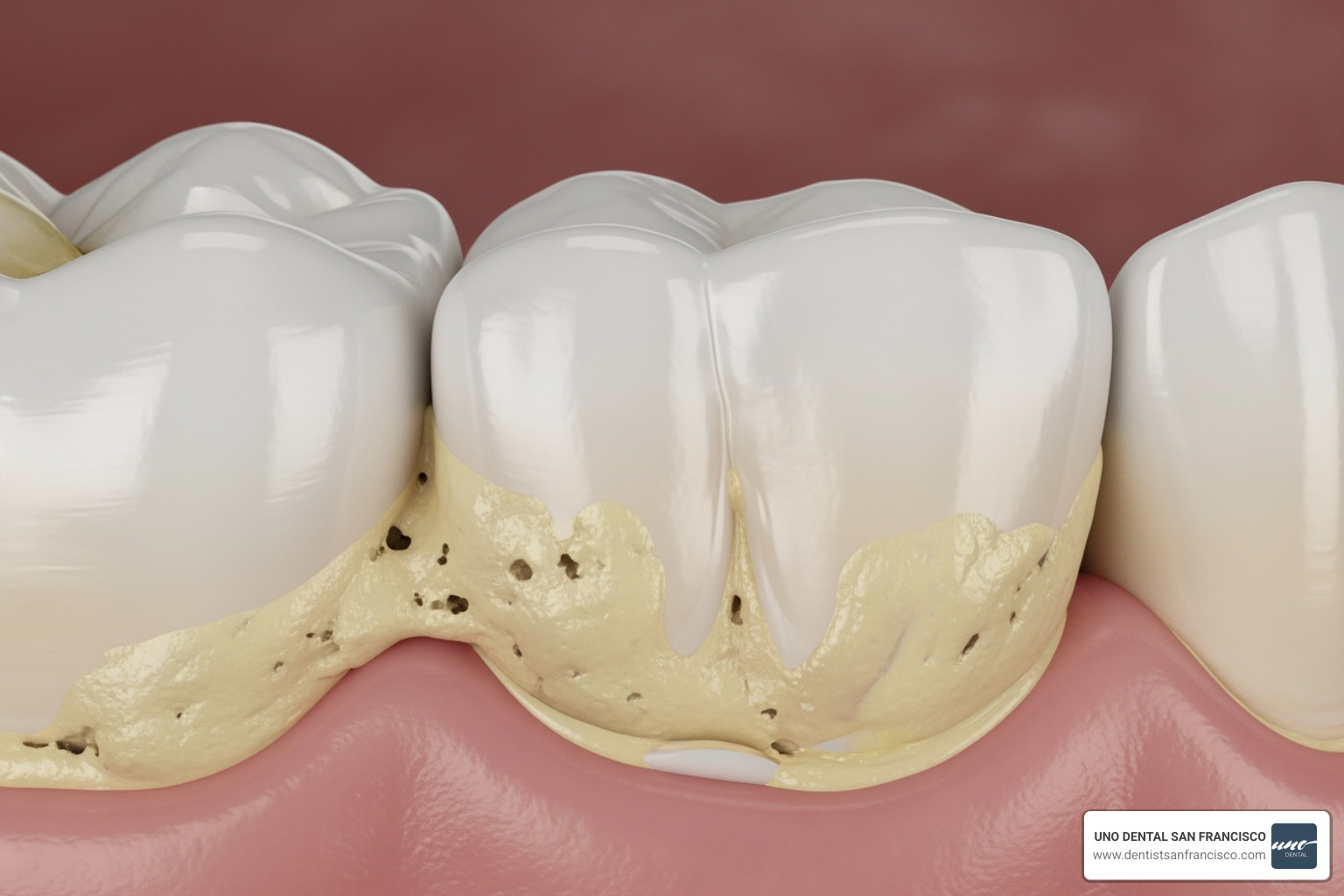
The journey to bad teeth begins with plaque, a sticky film of bacteria that forms on your teeth. When these bacteria consume sugars and starches from your diet, they produce acids that attack tooth enamel, leading to cavities and gum disease.
- Diet: Sugary and acidic drinks (soda, juice) and starchy foods (bread, chips) provide fuel for harmful bacteria. Sipping on these throughout the day causes repeated acid attacks on your enamel.
- Poor Oral Hygiene: Inadequate brushing (less than twice a day for two minutes) and infrequent flossing leave plaque in hard-to-reach areas. Brushing alone only cleans about 65% of your tooth surfaces, making flossing essential.
- Tobacco Use: Smoking dramatically increases your risk of oral cancer and gum disease by impairing blood flow to the gums, which hinders healing. Quitting is one of the best things you can do for your oral health. We can help you Break bad dental habits this year.
- Other Factors: Genetics can predispose some people to weaker enamel or gum disease. Dry mouth (xerostomia), often caused by medications, reduces saliva's protective effects. Worn fillings can also create hiding spots for bacteria, leading to new decay.
Recognizing the Symptoms of Bad Teeth
Bad teeth don't always hurt initially, so it's crucial to recognize early warning signs before a simple fix becomes a complex problem.
- Pain and Sensitivity: A persistent toothache or a sharp jolt of tooth sensitivity to hot or cold temperatures often indicates enamel wear or exposed roots.
- Visible Changes: Look for visible holes or pits, as well as brown or black stains that can signal underlying decay.
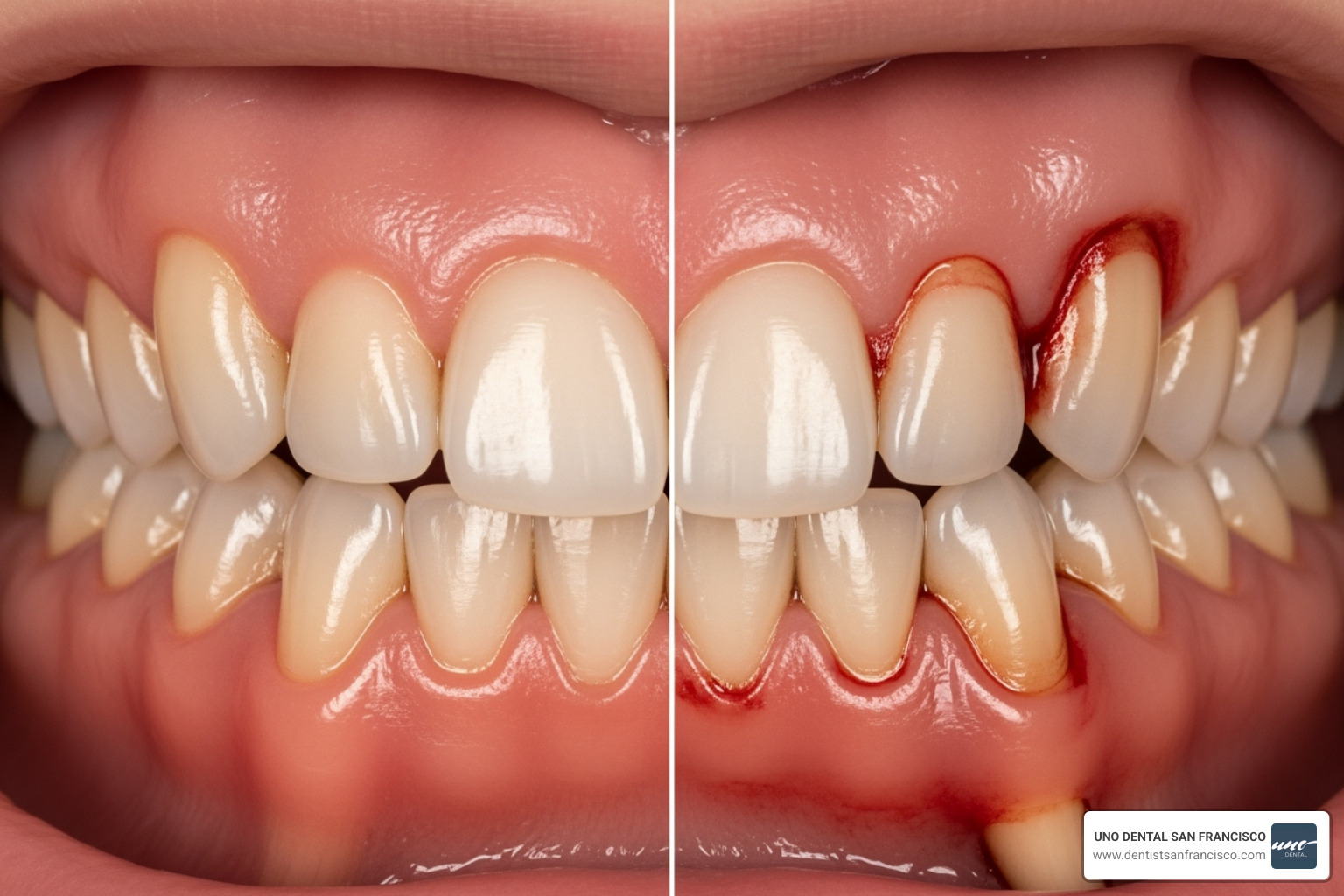
- Gum and Breath Issues: Persistent bad breath, bleeding gums when brushing, and swollen, red, or tender gums are classic signs of gingivitis or hidden decay.
- Advanced Symptoms: Loose teeth, receding gums, and pain when chewing point to more serious issues like periodontitis or a cracked tooth.
If you notice any of these symptoms, especially bleeding gums, don't wait. Early detection makes treatment simpler and more effective. Learn more about the signs here: Could you have gum disease?.
The Different Faces of Poor Oral Health: Common Conditions Explained
When patients visit our San Francisco office about bad teeth, they're often describing a specific issue. Poor oral health manifests in several ways, and understanding these conditions helps us create the right treatment plan.
Tooth Decay and Cavities
Tooth decay is a battle inside your mouth. Bacteria in plaque produce acids from sugar, which pull minerals from your tooth enamel (demineralization). Your saliva and fluoride fight back by depositing minerals (remineralization). When acid attacks win, the enamel erodes, often starting as reversible white spots. If left untreated, the enamel breaks down, creating a cavity that requires professional treatment. The CDC recommends dental sealants for school-age children to protect molars from decay. If you suspect a cavity, see our guide: How to tell if you have dental cavities. For more details, see this resource from the National Institute of Dental and Craniofacial Research: The Tooth Decay Process.
Gum Disease (Gingivitis and Periodontitis)
Gum disease is the leading cause of tooth loss in adults and affects nearly half of Americans.
- Gingivitis: This is the early, reversible stage. Plaque buildup along the gum line causes red, swollen, and bleeding gums. Professional cleanings and good home care can reverse it. Learn the signs: Early stage gingivitis.
- Periodontitis: If gingivitis is untreated, it can advance to this serious stage. The infection deepens, creating pockets between teeth and gums. Bacteria attack the bone and tissue supporting your teeth, leading to gum recession, bone loss, and eventually loose teeth or tooth loss. While not curable, periodontitis can be managed to prevent further damage. Learn about home care here: Gingivitis self care.
Misalignment and Bite Issues (Malocclusion)
Malocclusion, or a "bad bite," is when your teeth don't align properly. This includes crooked teeth, an overbite, or an underbite. Beyond cosmetics, misalignment can cause chewing difficulty, speech issues, and create hard-to-clean areas that increase your risk of decay and gum disease. It can also lead to uneven tooth wear and TMJ disorders. We offer solutions from traditional braces to clear aligners. Compare your options: clear aligners vs braces: a complete guide.
Other Common Problems
- Impacted Wisdom Teeth: These are third molars that get stuck and can't erupt properly, affecting about 90% of people. They can cause pain, infection, and damage to adjacent teeth. We offer expert removal services: Wisdom teeth removal SF.
- Stained Teeth: Discoloration from coffee, tea, or tobacco is common. While often cosmetic, heavy staining can hide early decay. We have solutions to Get rid of coffee stains on teeth.
- Cracked or Chipped Teeth: Caused by injury or grinding, these can lead to pain and infection if the damage reaches the tooth's inner pulp. Prompt treatment is essential to prevent bigger problems.
The Systemic Link: How Bad Teeth Affect Your Overall Health
The connection between your mouth and body is profound. At UNO DENTAL SAN FRANCISCO, treating bad teeth isn't just about your smile—it's about protecting your overall health. Harmful bacteria from untreated gum disease and tooth decay can enter your bloodstream, traveling throughout your body and triggering inflammation that contributes to serious systemic conditions.
The Mouth as a Gateway to the Body
Your mouth is the entry point for your digestive and respiratory systems. Painful or missing teeth can impair chewing and nutrition, while bacteria from oral infections can be inhaled into the lungs, causing pneumonia. Saliva is your natural defense, washing away food and neutralizing acids. When saliva flow is reduced, bacteria flourish. A chronic oral infection also places a constant burden on your immune system, leaving you more vulnerable to other illnesses. Learn how we can help: Better oral health, better immune system. Your teeth can reveal a lot about your systemic health, which is why we take a comprehensive approach: What your teeth say about your overall health.
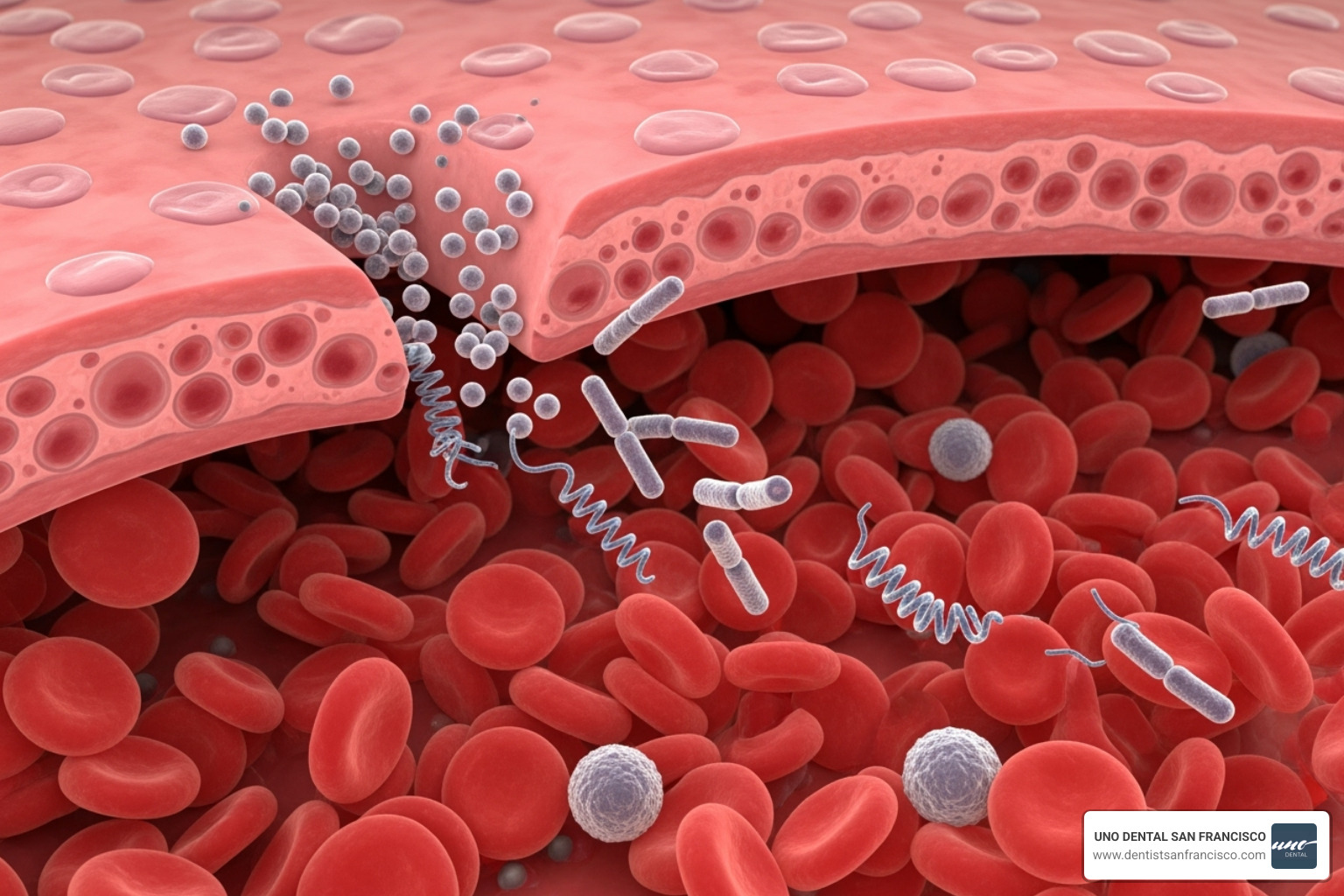
Serious Health Complications of Untreated Bad Teeth
Research has established clear links between poor oral health and several serious conditions.
- Cardiovascular Disease: Bacteria from gum disease can contribute to arterial plaque (atherosclerosis). People with gum disease have nearly double the risk of coronary artery disease and are roughly twice as likely to have a stroke.
- Diabetes: The link is a two-way street. Diabetes increases your risk for gum disease, and severe gum disease can make it harder to control blood sugar levels. Treating gum disease can help improve diabetes management.
- Pneumonia: Oral bacteria can be aspirated into the lungs, causing respiratory infections. This risk is higher in elderly or frail individuals.
- Pregnancy Complications: Pregnant women with gum disease are over three times more likely to deliver a premature, low-birth-weight baby. The inflammation may trigger early labor.
- Dementia: Emerging research suggests a link between tooth loss in seniors and cognitive decline, including poorer memory and reduced physical function.
Understanding these connections empowers you to prioritize your dental care as essential preventive medicine. The Mayo Clinic offers more insight on this topic: Oral health: A window to your overall health. Investing in your oral health is an investment in your total well-being.
Prevention and Treatment: Reclaiming Your Oral Health
The journey from bad teeth to a healthy smile is one we guide patients through every day at UNO DENTAL SAN FRANCISCO. Whether you're focused on prevention or need to address existing issues, the path forward is clear.
Proactive Prevention: Your First Line of Defense
Preventing dental problems is always more effective and less costly than treating them. Good oral health starts at home.
- Brushing and Flossing: Brush twice daily for two minutes with a soft-bristled brush and fluoride toothpaste. Floss daily to clean the 35% of tooth surfaces that brushing misses.
- Diet and Habits: Limit sugary and acidic foods and drinks. Rinse with water after indulging. Avoid tobacco products, which dramatically increase your risk of oral cancer and gum disease.
- Regular Dental Visits: See us at least twice a year for checkups and cleanings. We remove hardened plaque (tartar) that you can't eliminate at home.
- Dental Sealants: For children and teens, these thin coatings protect molars from decay.
Our preventive program is built on these principles. Learn more about our approach: Preventive dentistry San Francisco and Best dental hygiene practices.
Professional Treatment Options for Bad Teeth
If you're already dealing with bad teeth, we offer a full spectrum of restorative treatments custom to your needs.
- Fillings: To treat cavities, we remove the decay and fill the space with a tooth-colored material.
- Crowns: These caps cover and protect extensively damaged teeth, restoring their strength and appearance.
- Root Canals: This procedure saves an infected tooth from extraction by removing the inner pulp and eliminating the infection.
- Extractions: We perform extractions when a tooth is too damaged to save or an impacted wisdom tooth poses a threat.
- Deep Cleaning (Scaling and Root Planing): This is the primary treatment for gum disease, cleaning below the gum line to remove bacteria and tartar.
- Braces and Clear Aligners: We straighten teeth to improve oral hygiene and bite function.
- Veneers: Thin porcelain shells are bonded to teeth to correct stains, chips, or minor misalignment.
- Teeth Whitening: Professional treatment to safely lighten discoloration for a brighter smile.
Explore our full range of Restorative dental services and learn What services does restorative dentistry include?.

When to See a Dentist Immediately
Some situations require immediate attention to save a tooth or prevent a serious infection. Call us right away if you experience:
- Severe toothache that is not relieved by over-the-counter medication.
- A dental abscess, indicated by a pus-filled pocket, swelling, or fever.
- Swelling in your jaw or face, which can signal a spreading infection.
- A knocked-out tooth (time is critical for saving it).
- A cracked or chipped tooth causing pain.
- Uncontrolled bleeding from the mouth.
Knowing what constitutes an emergency helps you act fast. See our guide: How to know when it's a dental emergency. We are here for you when you need us most: Emergency dentist SF complete guide.
Conclusion: Your Path to a Healthier Smile and Body
Your journey to better health starts in your mouth. Throughout this article, we've explored how bad teeth are far more than a cosmetic concern4they're a window into your overall health, affecting everything from your heart to your immune system. The connection between oral health and your body's well-being is undeniable, and understanding this relationship is the first step toward taking control of your health.
The good news? It's never too late to start. Whether you're dealing with years of neglect, recent problems, or simply want to maintain what you already have, positive changes are always possible. I've seen countless patients transform their health and confidence by taking that crucial first step through our doors.
At UNO DENTAL SAN FRANCISCO, we approach dental care differently. We don't just treat teeth4we treat people. Our patient-centered approach means we take the time to understand your unique situation, concerns, and goals. We combine advanced technology with a holistic perspective, recognizing that your oral health is intimately connected to your overall well-being. Every treatment plan we create is custom specifically to you, addressing not just the symptoms you're experiencing, but the underlying causes of your dental issues.
Our comprehensive care covers everything from preventive services that keep problems from developing, to restorative treatments that repair damage, to emergency care when you need it most. We believe in educating our patients so you can make informed decisions about your health. You're not just a patient here4you're a partner in your own care.
If you're concerned about gum disease or have been putting off treatment, now is the time to act. Periodontal disease doesn't improve on its own, but with proper care, we can help you manage it and prevent further damage. Don't let bad teeth continue to impact your quality of life, your confidence, or your overall health.
Schedule a consultation for periodontal treatment today and find how comprehensive dental care can transform not just your smile, but your entire sense of well-being. Your healthier future starts with a single appointment.
Medically reviewed and approved by Dr. Mohammad Aghiad Kandar, DDS, UNO DENTAL SAN FRANCISCO.