

Why Professional Dental Cleanings Are Essential for Your Oral Health
Professional dental cleaning is a preventive procedure performed by a dentist or dental hygienist to remove plaque, tartar, and bacteria from your teeth - especially in areas your toothbrush and floss can't reach. Here's what you need to know:
- What it is: A thorough cleaning that removes hardened plaque (tartar) using specialized tools, followed by polishing and preventive treatments
- How often: Most people need cleanings every six months, though some may require more frequent visits
- Duration: Typically 30 to 60 minutes for a routine cleaning
- Types: Routine prophylaxis for healthy mouths, deep cleaning (scaling and root planing) for gum disease, and periodontal maintenance for ongoing care
- Benefits: Prevents cavities and gum disease, reduces bad breath, and may lower risks of heart disease and diabetes
Many people avoid dental cleanings because of anxiety about the prodding, strange noises, and potential discomfort. But the truth is simpler than you might think.
Think of it this way: Brushing and flossing at home is like spraying your car with water. It removes the big stuff, but there's still a thin layer of grime left behind. Professional cleaning provides the sponge and scrubbing needed to remove what daily care misses.
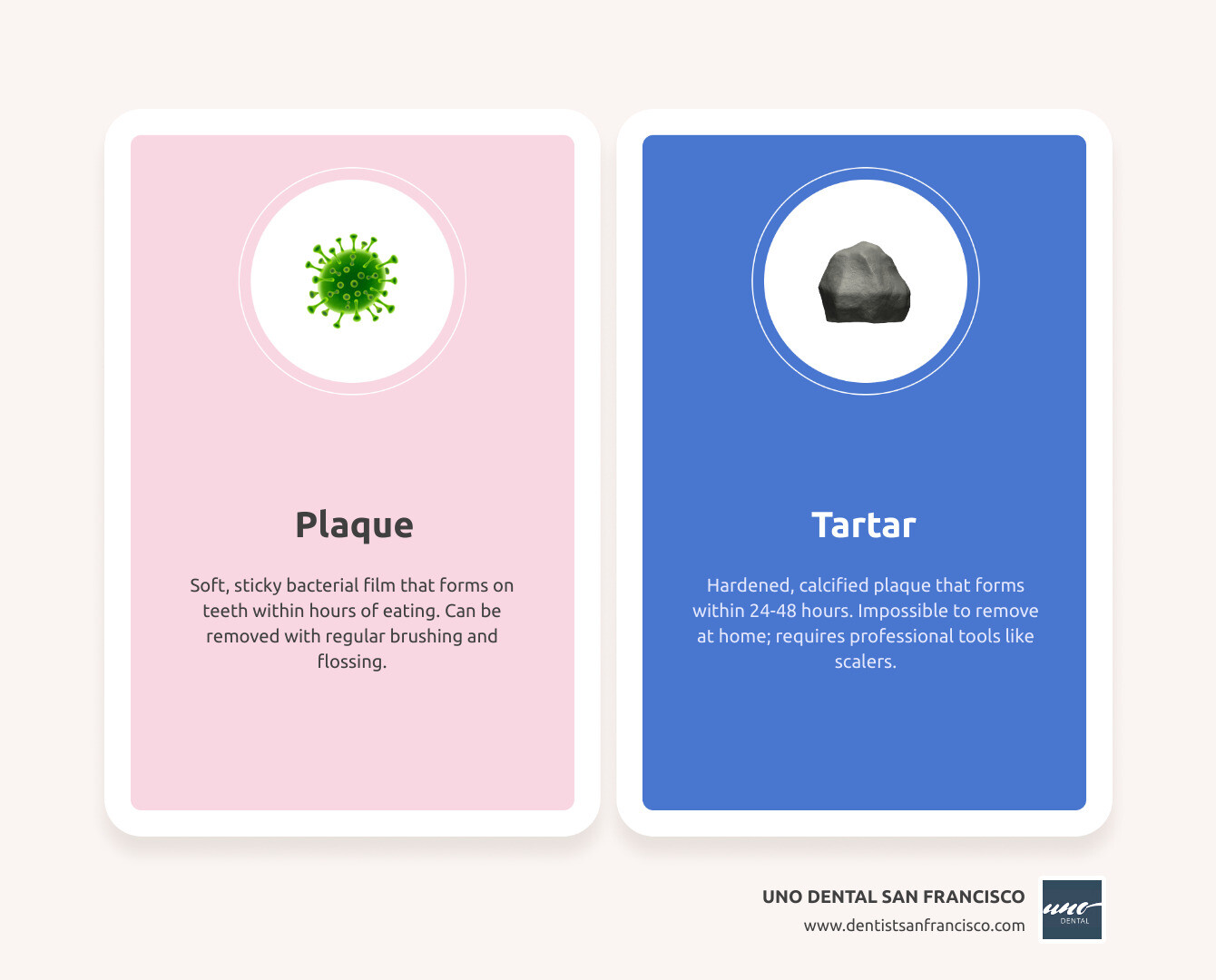
Your mouth harbors bacteria that form a sticky film called plaque. Within 24 hours, plaque can harden into tartar - a calcified deposit that your toothbrush cannot remove. Left unchecked, tartar buildup leads to cavities, gum disease, and even tooth loss.
Regular cleanings do more than protect your teeth. Research shows they can reduce systemic inflammatory markers linked to cardiovascular disease, supporting your overall health beyond your smile.
As Mohammad Aghiad Kandar, DDS, practicing at UNO DENTAL San Francisco, I've spent over 15 years helping patients maintain healthy smiles through professional dental cleaning and preventive care. My focus on patient-centered treatment means understanding your unique needs and creating a comfortable experience that keeps you coming back every six months.
Related services at UNO DENTAL San Francisco:
Understanding the Basics of Oral Hygiene
While we all strive for a perfect at-home routine, the reality is that the human mouth is a complex environment. Even the most diligent brushers can miss tiny crevices where bacteria thrive. This is where professional intervention becomes a necessity rather than an option.
What is a Professional Dental Cleaning (Prophylaxis)?
In clinical terms, a routine Professional dental cleaning is known as "prophylaxis." Derived from the Greek word for "to guard against," it is exactly that - a defensive measure to protect your mouth from disease. During this visit, our dental hygienists focus on the removal of biofilm, plaque, and tartar that have accumulated since your last visit.
We often describe this process as a professional-teeth-cleaning designed to reset your oral health. Unlike your toothbrush at home, we use medical-grade instruments to gently but effectively scrape away "calculus" (the scientific name for tartar) from the surfaces of your teeth and just below the gum line.
Professional Cleaning vs. At-Home Brushing and Flossing
If you're wondering why you need us if you're already brushing twice a day, it comes down to the chemistry of your mouth. Plaque is soft and can be brushed away, but once it absorbs minerals from your saliva, it "calcifies" or hardens into tartar. This can happen in as little as 24 hours.
Once tartar forms, it's like a barnacle on a ship - it's not going anywhere without professional help. At-home hygiene has several limitations:
- Hard-to-reach areas: The back of the lower front teeth and the molar regions are notorious for tartar buildup.
- Specialized tools: We use ultrasonic scalers and hand instruments that can steer the tight spaces between teeth safely.
- Enamel protection: While we use a "gritty" paste for polishing, it is specifically formulated to be safe twice a year. Using similar abrasive materials at home could wear down your enamel.
- Subgingival cleaning: We clean slightly beneath the gum line, where bacteria often hide and cause inflammation.
The Step-by-Step Process of Professional Dental Cleanings
Explaining the appointment is the best way to reduce dental anxiety. When you know what that "scraping" sound is, it feels much less intimidating!
Step 1: The Physical Exam and Diagnostics
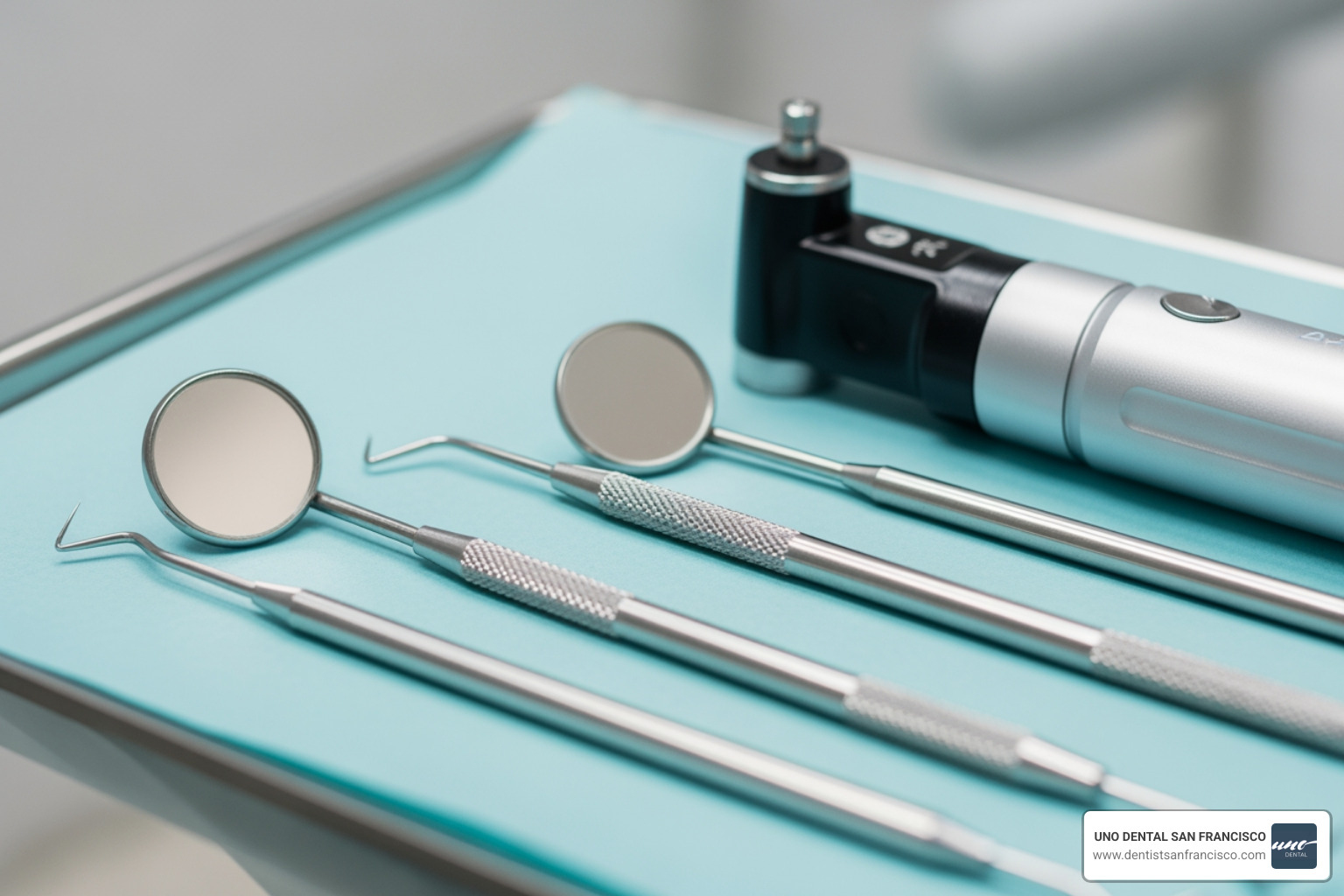
The process begins with a comprehensive-dental-checkup. Before any cleaning starts, we use a small mirror to inspect your entire mouth. We're looking for signs of gingivitis (inflamed gums), tooth decay, or other potential concerns.
During this stage, we may also perform:
- Digital X-rays: Usually done once a year, these allow us to see what's happening between the teeth and under the bone.
- Oral Cancer Screening: We check your throat, tongue, and soft tissues for any abnormalities.
- Gingivitis Check: We look for redness or swelling that indicates the early stages of gum disease.
Step 2: Scaling to Remove Plaque and Tartar
This is the part most people recognize by the sound. Using a "scaler," we remove the plaque and tartar from around your gum line and between your teeth. At UNO DENTAL, we often use an ultrasonic scaler, which uses vibrations and a cooling mist of water to break up large deposits of tartar.
The amount of scaling needed depends on how much buildup has occurred. If you brush and floss regularly, this step is quick and easy. If it's been a while, we might spend more time on those stubborn calcified deposits.
Step 3: Gritty Toothpaste Cleaning and Polishing
Once your teeth are tartar-free, we move on to polishing. We use a high-powered electric brush - which might make a whirring noise - and a specialized gritty toothpaste called "prophy paste."
This paste has a sandy consistency that gently scrubs away any remaining surface stains and residual plaque. The result is a smooth enamel surface that makes it harder for new bacteria to stick to your teeth. Plus, it leaves your teeth feeling "squeaky clean"!
Step 4: Expert Flossing and Rinsing
Even if you floss at home, nothing beats a professional flossing session. We can reach deep between the teeth and identify any trouble spots where your gums might bleed or feel sensitive. This step also helps us remove any leftover prophy paste or debris from the scaling process.
Finally, you'll rinse your mouth with a liquid solution to clear out any remaining particles. In many cases, we will then apply a fluoride treatment. This is often a varnish or gel that acts as a shield for your teeth, protecting them against cavities for several months by strengthening the enamel.
Understanding the Different Types of Dental Cleanings
Not every mouth requires the same level of care. Depending on the health of your gums and how long it's been since your last visit, we might recommend a specific type of cleaning.
Routine Prophylaxis and Gross Debridement
Routine Prophylaxis is the standard cleaning for patients with healthy gum tissue and no significant bone loss. This is the "six-month cleaning" most people are familiar with.
Gross Debridement, on the other hand, is a preliminary cleaning. If a patient hasn't been to the dentist in years and has exceptionally heavy tartar buildup, the dentist might not even be able to see the teeth well enough to perform an exam. A debridement removes the "bulk" of the tartar so we can then perform a proper assessment.
Deep Cleaning (Scaling and Root Planing)
If we detect signs of periodontitis (advanced gum disease), a routine cleaning isn't enough. In these cases, we perform a "deep cleaning," technically known as scaling and root planing.
Unlike a routine cleaning, this procedure involves:
- Cleaning the root surfaces: We go deep into the "pockets" between the tooth and the gum.
- Local Anesthesia: We typically numb the area to ensure you are comfortable.
- Bacteria Removal: We smooth out the roots of the teeth so that the gums can reattach properly.
If you're nervous about this procedure, we offer a sedation-teeth-cleaning-guide to help you understand your options for a stress-free visit. After the procedure, following deep-cleaning-dental-aftercare instructions is crucial for healing.
Periodontal Maintenance
Once a patient has undergone a deep cleaning, they transition into "Periodontal Maintenance." Because gum disease is a chronic condition, these patients typically visit us every three to four months. This frequent interval prevents bacteria from recolonizing in the deep pockets and helps prevent further bone loss.
| Feature | Routine Prophylaxis | Scaling & Root Planing (Deep Cleaning) |
|---|---|---|
| Target Audience | Healthy gums/Gingivitis | Patients with Periodontitis |
| Area Cleaned | Above and slightly below gumline | Deep into gum pockets and root surfaces |
| Anesthesia | Not usually required | Often required (local numbing) |
| Frequency | Every 6 months | As needed, followed by maintenance |
| Goal | Prevention | Halting disease progression |
Benefits of a Professional Dental Cleaning for Systemic Health
A Professional dental cleaning is about much more than just a bright smile; it’s a critical component of your overall physical health.
Preventing Cavities and Gum Disease
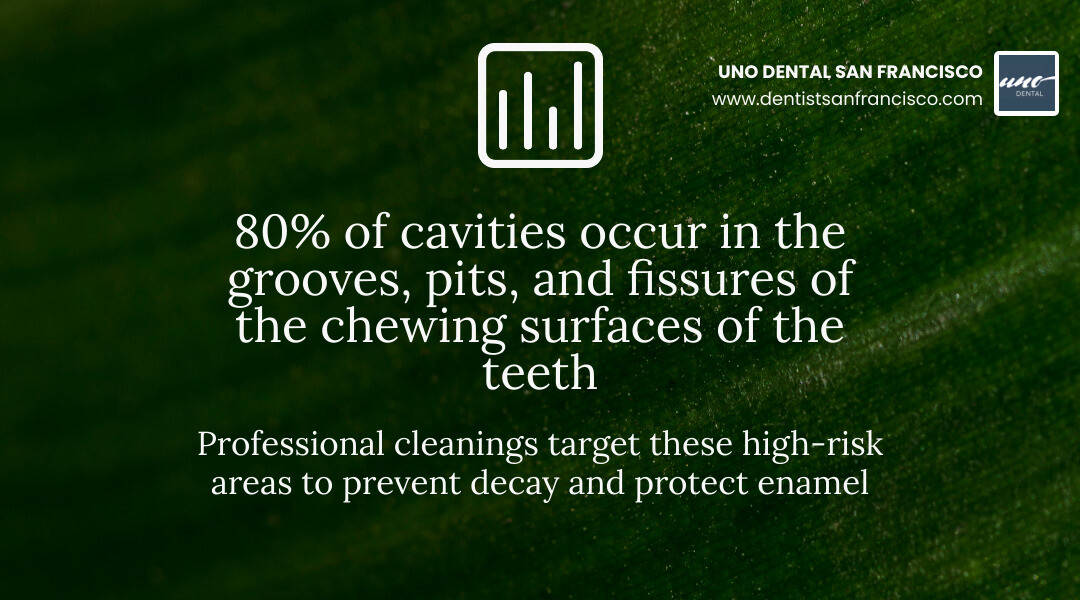
The primary goal is the prevention of tooth decay and gum disease. By removing the bacterial load in your mouth, we stop the acid production that eats away at your enamel. This is especially important because 80% of cavities occur in the grooves, or pits and fissures, of the chewing surfaces. These are areas that are almost impossible to clean perfectly at home.
Supporting Cardiovascular and Overall Wellness
Modern medicine has confirmed a strong link between oral health and systemic health. When your gums are inflamed, bacteria can enter your bloodstream through the tiny vessels in your mouth.
Recent scientific research on systemic inflammation and dental cleaning has shown that professional cleanings can actually reduce systemic inflammatory markers such as:
- TNF-α (Tumor Necrosis Factor alpha)
- IL-6 (Interleukin-6)
- CRP (C-reactive protein)
By lowering these markers, regular cleanings may help reduce your risk of heart disease, stroke, and even complications with diabetes. At UNO DENTAL, our holistic approach means we look at your mouth as a gateway to your entire body’s wellness.
What to Expect: Costs, Insurance, and Aftercare
We want our San Francisco patients to feel empowered by their dental care, which means being transparent about the logistics of your visit.
Cost and Insurance Coverage
Without insurance, the price of a standard Professional dental cleaning can range from $100 to $150. If you require X-rays, the cost may increase by $18 to $150 depending on the type of imaging needed.
The good news? Most dental insurance plans view cleanings as "preventative care." This means they often cover 100% of the cost for two cleanings per year. By utilizing these benefits, you avoid the much higher costs of fillings, crowns, or root canals that result from neglected hygiene.
Aftercare Tips
After your cleaning, it is normal to experience some temporary tooth sensitivity or mild gum tenderness, especially if there was significant tartar buildup. Here are a few aftercare guidelines:
- Sensitivity: If your teeth or gums feel tender, over-the-counter pain relievers such as acetaminophen or ibuprofen can help manage any discomfort.
- Rinsing: A warm salt water rinse can soothe irritated gums and promote healing.
- Diet: Stick to soft foods and avoid very hot or cold beverages for the first few hours if you experience sensitivity.
- Fluoride varnish: If fluoride was applied, wait at least 30 minutes before eating or drinking to allow full absorption.
Most patients find that any tenderness resolves within a day or two.
Who Needs More Frequent Cleanings?
While the "every six months" rule is a great baseline, some individuals are at a higher risk for dental issues and should visit us more often:
- Smokers: Tobacco use significantly increases the risk of gum disease and slows down the healing process.
- Diabetics: There is a "two-way street" between diabetes and gum disease; uncontrolled blood sugar can lead to gum infections, and gum infections can make blood sugar harder to manage.
- Weakened Immune Systems: Those with chronic illnesses or high stress levels may find that their bodies can't fight off oral bacteria as effectively.
- Pregnant Women: Hormonal changes can lead to "pregnancy gingivitis," making professional cleanings even more vital.

Frequently Asked Questions about Dental Cleanings
How often should you get professional dental cleanings?
For most people, we recommend a visit every six months. This allows us to catch any small cavities before they become painful and to remove tartar before it causes gum recession. However, if you have a history of gum disease, we may suggest a three-month interval for periodontal maintenance. Your dentist will assess your individual plaque accumulation rate and recommend a personalized frequency.
Are there any risks or side effects from dental cleanings?
The most common side effect is temporary tooth sensitivity or gum tenderness, especially if you had a significant amount of tartar removed. This usually fades within a day or two. Rinsing with warm salt water can help soothe any gum irritation and support the healing process. If you feel anxious about the process, we offer sedation-for-dental-cleaning to make the experience completely comfortable.
How long do you have to wait to eat or drink after a cleaning?
If you received a fluoride varnish, we typically recommend waiting 30 minutes before eating or drinking to allow the fluoride to fully absorb into your enamel. If you didn't receive fluoride, you can eat immediately, though you might want to stick to soft foods and avoid very hot or cold items if your teeth feel sensitive.
Conclusion
At UNO DENTAL San Francisco, we believe that a Professional dental cleaning is the foundation of a beautiful, lifelong smile. By combining state-of-the-art technology with a warm, holistic, and individualized approach, we make preventive care straightforward and comfortable.
Whether you are due for a routine checkup, want guidance on improving your daily home care, or are considering a cosmetic boost with teeth-whitening, our team provides comprehensive care under one roof, including free virtual smile consultations.
Ready to refresh your smile? Schedule your dental-checkup-san-francisco today to plan your next cleaning and keep your oral health on track.