

Why Your Smile Deserves More Than Just Brushing
Best dental cleaning practices combine daily at-home care with professional dental cleanings to help prevent tooth decay, gum disease, and health complications linked to chronic oral inflammation. Here's what to know:
Essential Daily Practices:
- Brush twice daily for 2 minutes with fluoride toothpaste (at least 1,350 ppm)
- Clean between teeth once daily using floss, interdental brushes, or water flossers
- Use a soft-bristled toothbrush at a 45-degree angle to the gum line
- Do not rinse immediately after brushing to help fluoride stay on the teeth longer
Professional Care:
- Schedule professional dental cleanings about every 6 months (or more often if you are higher risk)
- Professional scaling removes plaque and tartar that home care cannot reach
- Deep cleaning (scaling and root planing) may be recommended when gum disease is present
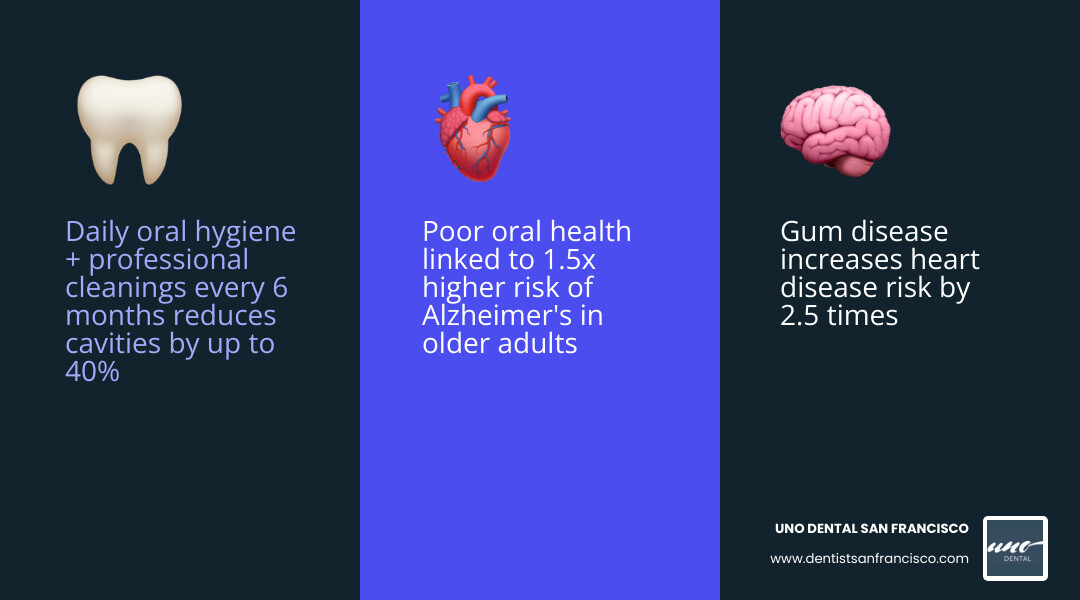
Your smile reflects more than confidence and appearance, it can also reflect your overall health. Ongoing gum inflammation can affect the rest of the body. Research has associated gum disease and tooth loss with higher risks of cognitive decline, and uncontrolled oral infection and inflammation are also associated with systemic conditions such as diabetes and cardiovascular disease.
Many people also do not realize that brushing and flossing cannot remove everything from the tooth surface over time. Plaque is a sticky biofilm, and once it hardens into tartar (calculus), it cannot be removed at home.
That is why professional dental cleanings matter. They help reach areas your toothbrush cannot access, including below the gum line and between teeth where disease-causing bacteria can accumulate.
At UNO DENTAL San Francisco, we focus on prevention, comfort, and personalized care plans. We combine high-tech diagnostics with individualized home-care coaching and professional cleanings to help you protect your teeth and gums for the long term.
Professional Cleaning Procedures and Their Importance
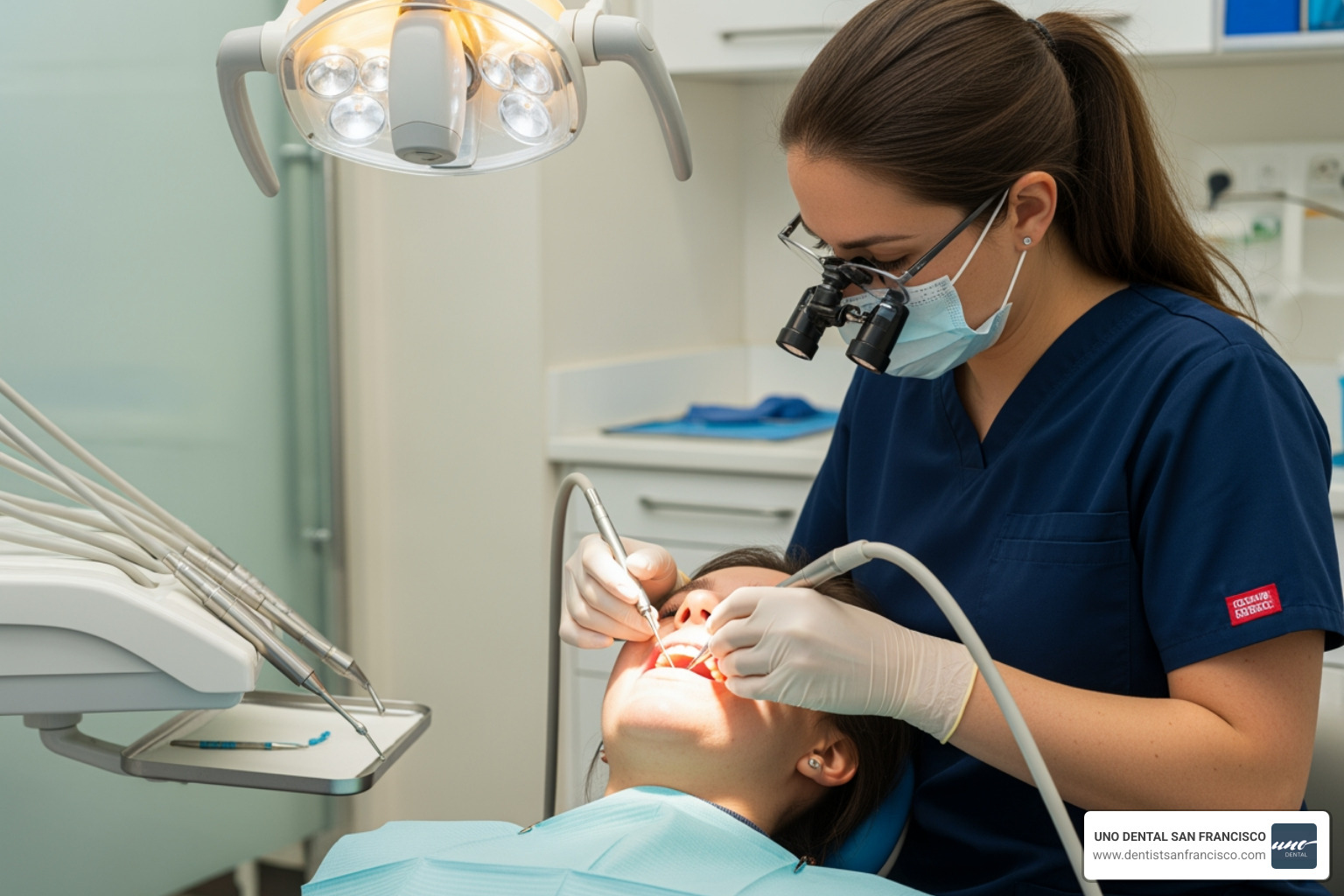
While your daily routine is the first line of defense, a professional teeth cleaning is the "deep detail" your mouth needs. Even the most diligent brushers will eventually develop tartar (calculus). This is plaque that has mineralized and hardened onto the tooth surface. Once plaque turns into tartar, it is physically impossible to remove with a toothbrush or floss at home; it requires the specialized tools of a dental professional.
When you visit us, we follow the step-by-step process of professional dental cleanings for a healthier mouth. This typically begins with a physical exam where we check for signs of gingivitis (inflamed gums) or other potential concerns. Understanding what happens during a dental cleaning can help ease any nerves. We use scalers—either manual hand tools or ultrasonic devices that use high-frequency vibrations and water mist—to gently scrape away plaque and tartar from around your gum line and between your teeth.
Routine Prophylaxis vs. Deep Cleaning
It is important to distinguish between a standard cleaning and a "deep cleaning."
- Routine Prophylaxis: This is for patients with generally healthy mouths or mild gingivitis. It focuses on professional teeth cleaning above and slightly below the gum line, followed by polishing with a gritty paste to remove surface stains and make the teeth smooth, which helps prevent new plaque from sticking.
- Deep Cleaning (Scaling and Root Planing): If we detect signs of periodontitis (advanced gum disease), a standard cleaning isn't enough. We perform scaling to remove tartar from deep pockets and root planing to smooth the tooth roots, helping the gums reattach. Because this goes deeper, we often discuss sedation for dental cleaning or local numbing to ensure your comfort. Proper deep cleaning dental aftercare is vital for healing these deeper tissues.
Gross Debridement and Specialized Care
In cases where a patient hasn't had a cleaning in several years, heavy tartar buildup may cover the teeth so completely that a dentist cannot even perform a proper exam. This requires a "gross debridement"—a preliminary cleaning to clear the "heavy lifting" so we can see the health of the teeth and gums underneath.
Our dental hygienist san francisco team also provides specialized care for specific needs. For instance, if you've recently completed orthodontic treatment, there are specific post-braces dental care what to expect at your cleaning protocols to ensure that the enamel previously covered by brackets is healthy and stain-free.
Best Dental Cleaning Practices for a Healthy Smile
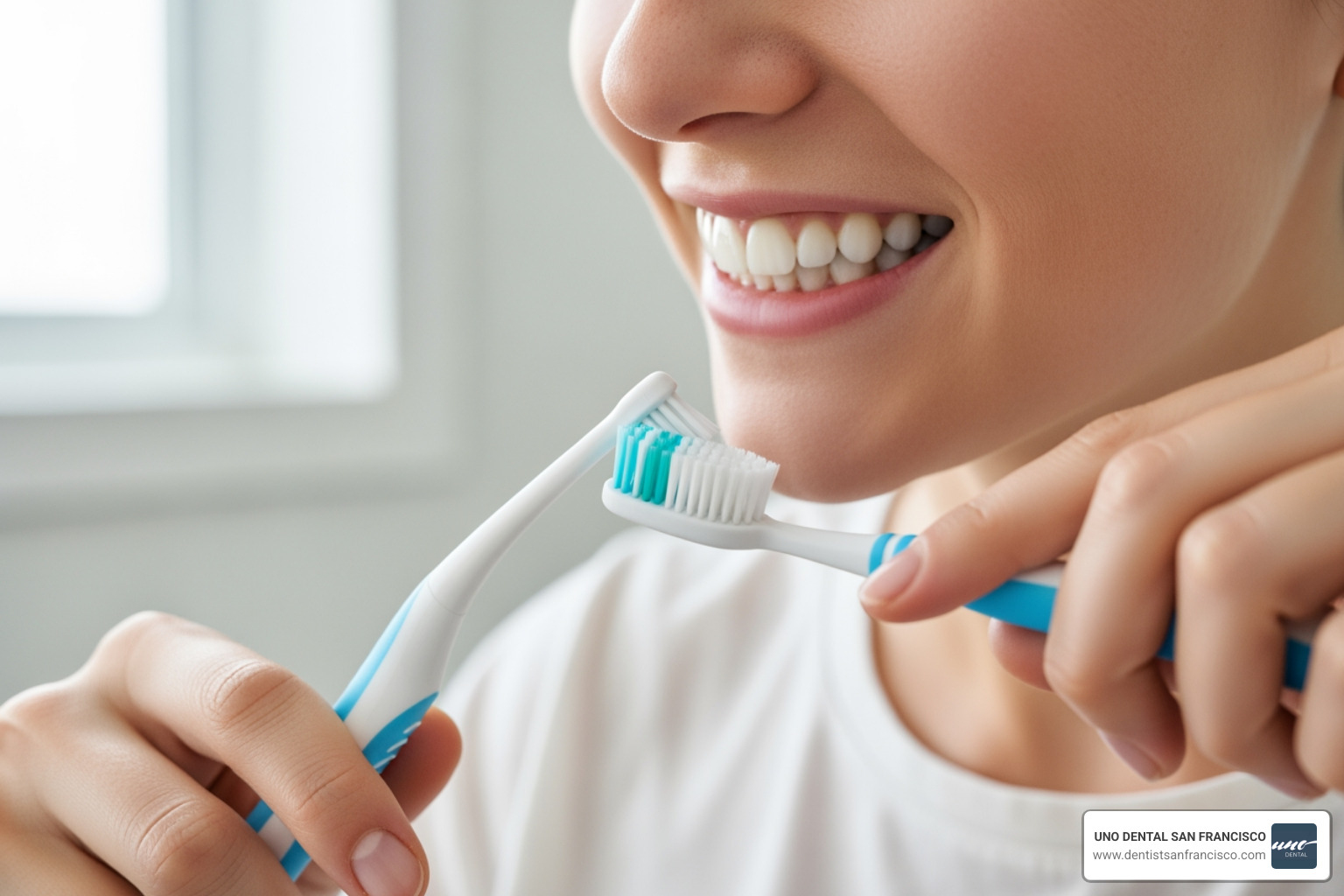
To maintain the results of your professional visit, your Home Oral Care must be precise. We recommend using a soft-bristled brush—hard bristles can actually wear down your enamel and irritate your gums.
The Technique:
- Hold the brush at a 45-degree angle to your gums.
- Use small, gentle circular motions rather than aggressive back-and-forth scrubbing.
- Ensure you clean all surfaces: the outside, the inside (tongue side), and the chewing surfaces.
- Don't forget to gently brush your tongue to remove bacteria that cause bad breath!
Toothpaste Choice:
Always look for a toothpaste containing fluoride. For adults, the concentration should be at least 1,350 ppm (parts per million) fluoride. Fluoride is a naturally occurring mineral that "re-mineralizes" your enamel, making it harder and more resistant to the acids produced by bacteria.
Mastering Interdental Cleaning
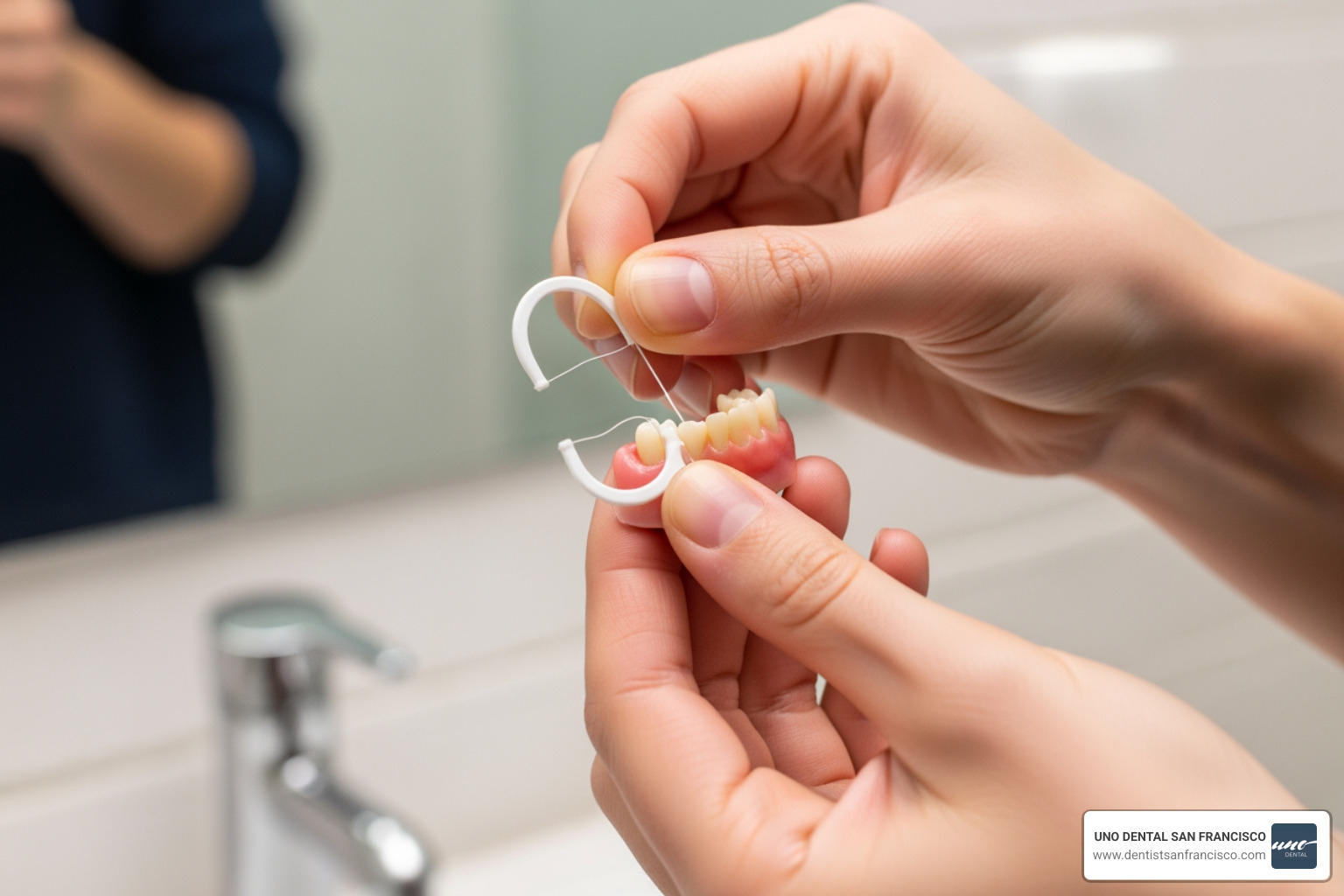
If you only brush, you are missing nearly 35% of your tooth surfaces. This is why interdental cleaning is non-negotiable. NHANES data on interdental cleaning confirms that adults who clean between their teeth regularly have significantly lower rates of periodontitis.
- Traditional Floss: Wrap the floss in a "C-shape" around the base of each tooth and slide it gently under the gum line.
- Interdental Brushes: Often more effective than floss for those with larger gaps or bridges, these tiny brushes slide between teeth to scrub the sides.
- Water Flossers: An excellent option for those with dexterity issues or braces, using a pressurized stream of water to flush out debris.
The Role of Mouthwash and Fluoride
Mouthwash can be a helpful adjunct, but it shouldn't replace brushing or flossing. If you are at high risk for gum disease, we may recommend an antimicrobial rinse containing essential oils or cetylpyridinium chloride. If you are prone to cavities, a fluoride rinse can provide extra protection.
According to Scientific research on fluoride mouthrinses, these are most effective when used at a different time than brushing—such as after lunch—to keep fluoride levels in the mouth high throughout the day.
Manual vs. Electric: Which is better?
| Feature | Manual Toothbrush | Electric/Powered Toothbrush |
|---|---|---|
| Plaque Removal | Effective if technique is perfect | Generally superior; does the work for you |
| Ease of Use | Requires manual dexterity | Great for arthritis or limited mobility |
| Cost | Very affordable | Higher initial investment |
| Pressure Control | Hard to monitor | Many have sensors to prevent over-brushing |
The Connection Between Oral Hygiene and Systemic Health
Oral health is not an "optional" part of your wellness—it is foundational. Gum disease is a state of chronic inflammation. When your gums bleed, bacteria from your mouth can enter your bloodstream, triggering inflammatory responses elsewhere in the body.
There is compelling Scientific research on gum disease and Alzheimer's showing that pathogens found in gum disease are often present in the brain tissue of Alzheimer’s patients. Furthermore, patients with diabetes must be extra vigilant; developing periodontitis is much more common when blood sugar is poorly managed, and conversely, gum disease can make it harder to control blood sugar levels.
Lifestyle Impacts on Oral Health
Your daily choices impact how often you'll need a professional teeth cleaning.
- Diet: Sugary snacks and acidic drinks feed the bacteria that create plaque. Limiting these "acid attacks" allows your saliva to naturally neutralize your mouth.
- Smoking: If you Quit smoking, you drastically reduce your risk of gum disease and oral cancer. Smoking restricts blood flow to the gums, which masks the signs of disease and slows down healing.
- Vaping: Newer research into vaping shows how they change the balance of microbes in the mouth, often increasing the presence of harmful, decay-causing bacteria.
Oral Cancer and Early Detection
Every routine cleaning at UNO DENTAL includes an Oral cancer screening. This is vital because oral cancer is often painless in its early stages. We look for red or white patches, sores that don't heal, or unusual lumps. Statistics show that men are more likely than women to develop it, particularly those over 40, making regular professional check-ups a potential lifesaver.
Specialized Care and Maintenance
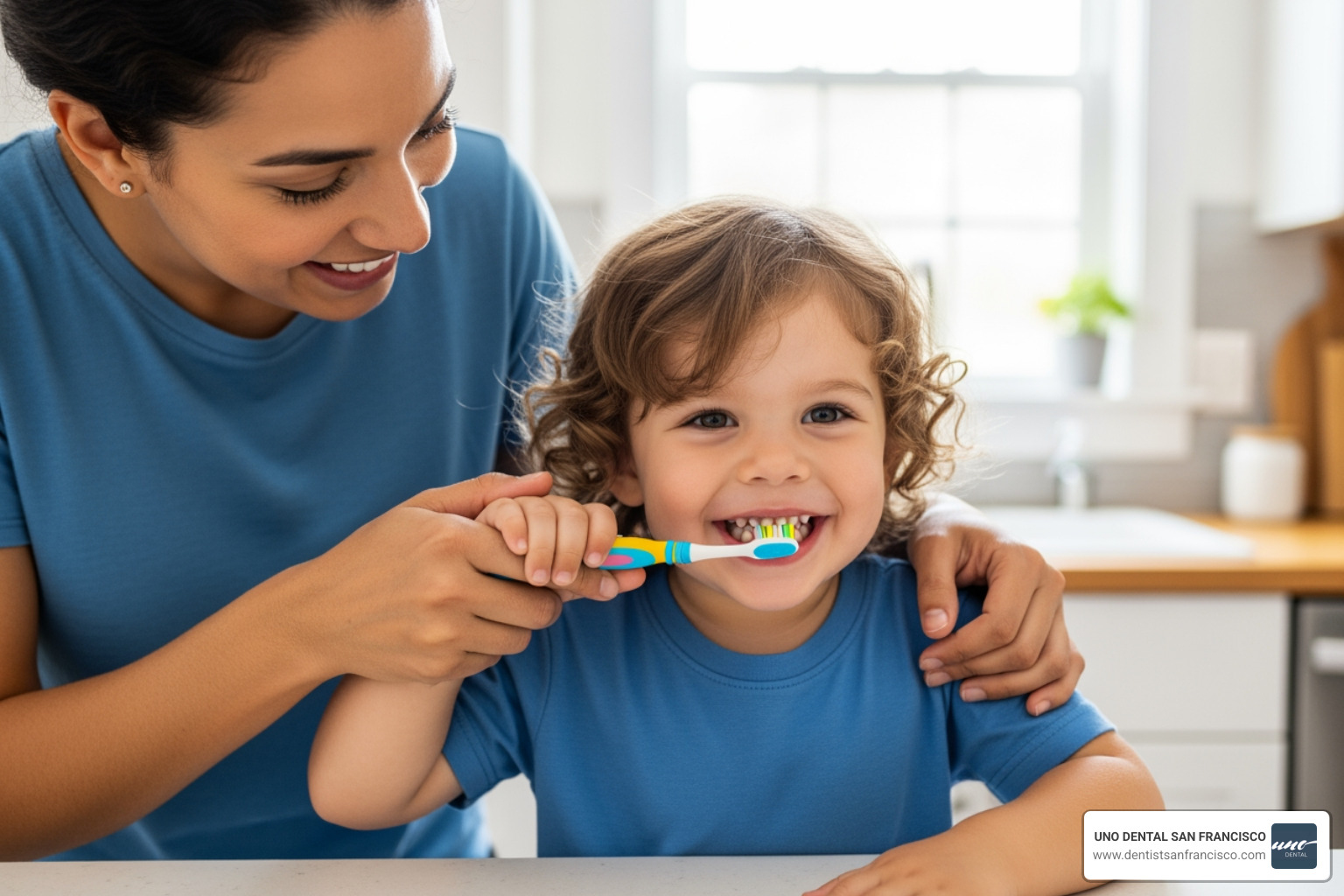
Oral hygiene needs evolve as we move through different stages of life. Whether you are a parent or a caregiver, understanding these nuances is part of the best dental cleaning practices.
Best dental cleaning practices for children
Good habits start before the first tooth even appears!
- Infants: Wipe gums with a soft, damp cloth after feedings.
- Toddlers: Use a "smear" of fluoride toothpaste (the size of a grain of rice) for children under 3.
- Ages 3-6: Use a pea-sized amount of fluoride toothpaste.
- Supervision: Children generally lack the manual dexterity to brush effectively until around age 7. Until then, parents should "check their work" or do the brushing for them, especially the critical bedtime brush.
Referencing How to Brush and Floss Your Child's Teeth can provide great visual guides for parents.
Best dental cleaning practices for aging adults
Aging presents unique challenges. Conditions such as arthritis can make it difficult to hold a toothbrush. We often recommend electric toothbrushes with thick handles or simple adaptations like sliding a tennis ball over a manual toothbrush handle to improve grip.
Dry mouth is another common concern among older adults, often caused by medications. Reduced saliva flow increases the risk of cavities and gum disease. Staying hydrated, using alcohol-free mouth rinses, and discussing saliva substitutes with your dentist can help manage this condition.
For those who wear dentures, daily cleaning is just as important. Dentures should be removed and brushed each day, and the gums and tongue should still be cleaned to prevent infections.
It is also worth noting that Medicare does not cover routine dental care, and some states limit dental coverage under Medicaid. This makes preventive care even more important for managing long-term costs.
For those caring for others, these oral health tips for caregivers in English are invaluable. At UNO DENTAL San Francisco, we emphasize the importance of regular preventive care for our senior patients to help them maintain their oral health and avoid the complications and costs associated with dental emergencies.
Frequently Asked Questions about Dental Cleanings
How often should I get a professional dental cleaning?
For most people, the standard recommendation is every six months. However, we may recommend a 3-month or 4-month interval if you have a history of gum disease, are pregnant, smoke, or have systemic conditions like diabetes. It is best to see your dentist regularly to determine a schedule that fits your specific risk profile.
What should I expect after a deep cleaning?
After scaling and root planing, your gums may be tender or bleed slightly for a few days. You might also notice increased sensitivity to cold. Following deep cleaning aftercare instructions — such as using a saltwater rinse and sticking to soft foods — will speed up recovery. If sensitivity persists, we can recommend specialized desensitizing pastes.
At UNO DENTAL San Francisco, we believe that preventive care is the most effective way to manage your dental health costs. We offer free virtual smile consultations to help you understand your needs and explore treatment options from home. By prioritizing regular cleanings and early detection, we help you maintain a healthy smile and avoid the expenses associated with advanced dental issues. Our team is dedicated to providing transparent, individualized care plans tailored to your specific health goals.
Conclusion
At UNO DENTAL San Francisco, we believe that best dental cleaning practices are the cornerstone of a long, healthy life. We don't just "clean teeth"—we provide holistic, high-tech care designed for the unique needs of every patient in our community. From our individualized treatment plans to our free virtual smile consultations, we make it easy to prioritize your oral health.
Whether you need a routine check-up or you're Mastering your recovery with deep cleaning dental aftercare, we are here to support you with the latest technology and a warm, patient-centered approach. Your journey to a healthier, more radiant smile starts here.