
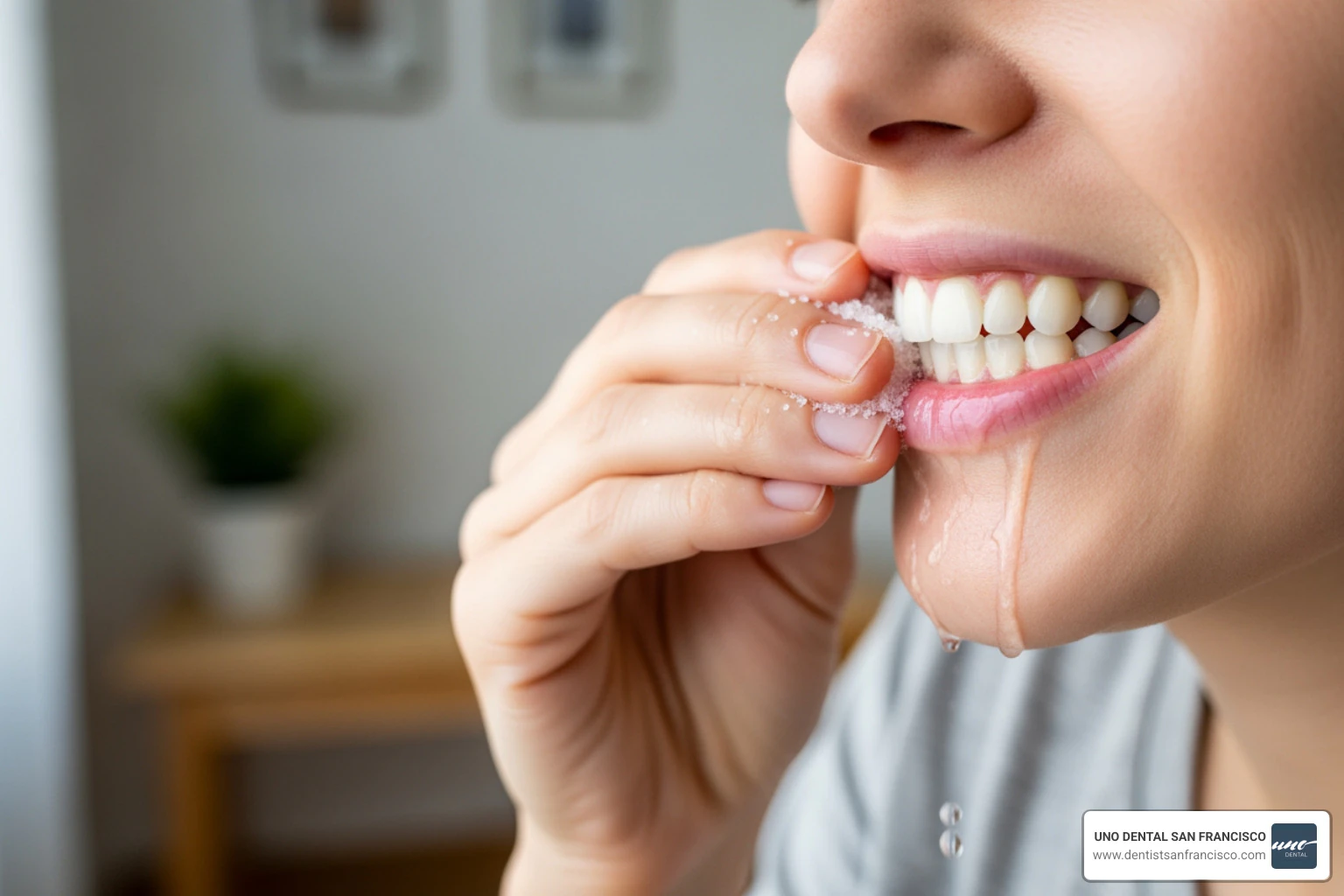
What Are the Best Home Remedies for Gingivitis?
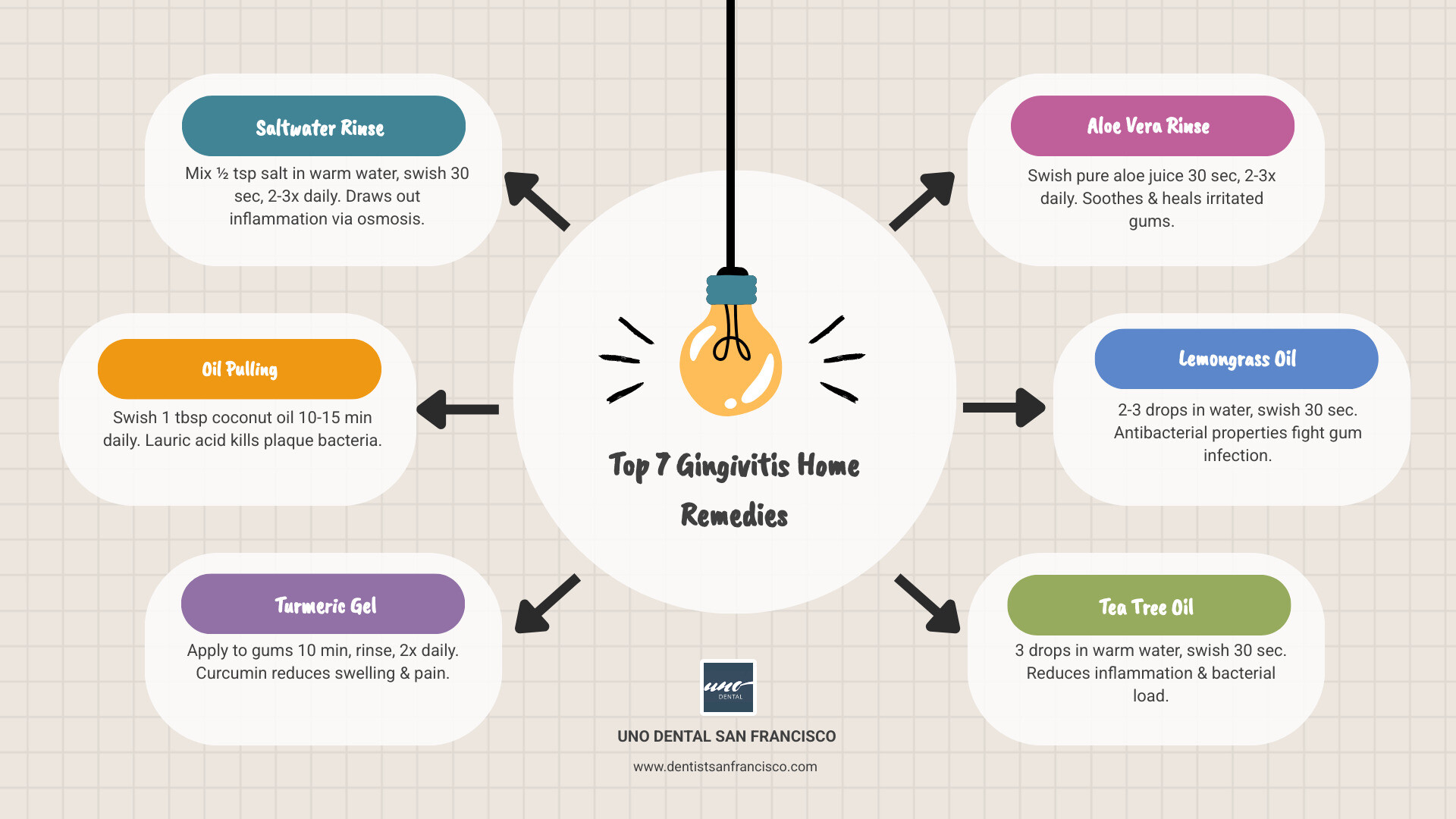
Gingivitis home remedies can make a real difference when your gums are red, swollen, or bleeding. Here are the most effective options, backed by science:
- Saltwater rinse - Mix 1/2 to 3/4 teaspoon of salt in warm water, swish for 30 seconds, two to three times daily
- Oil pulling - Swish 1 tablespoon of coconut oil for 10 to 15 minutes daily
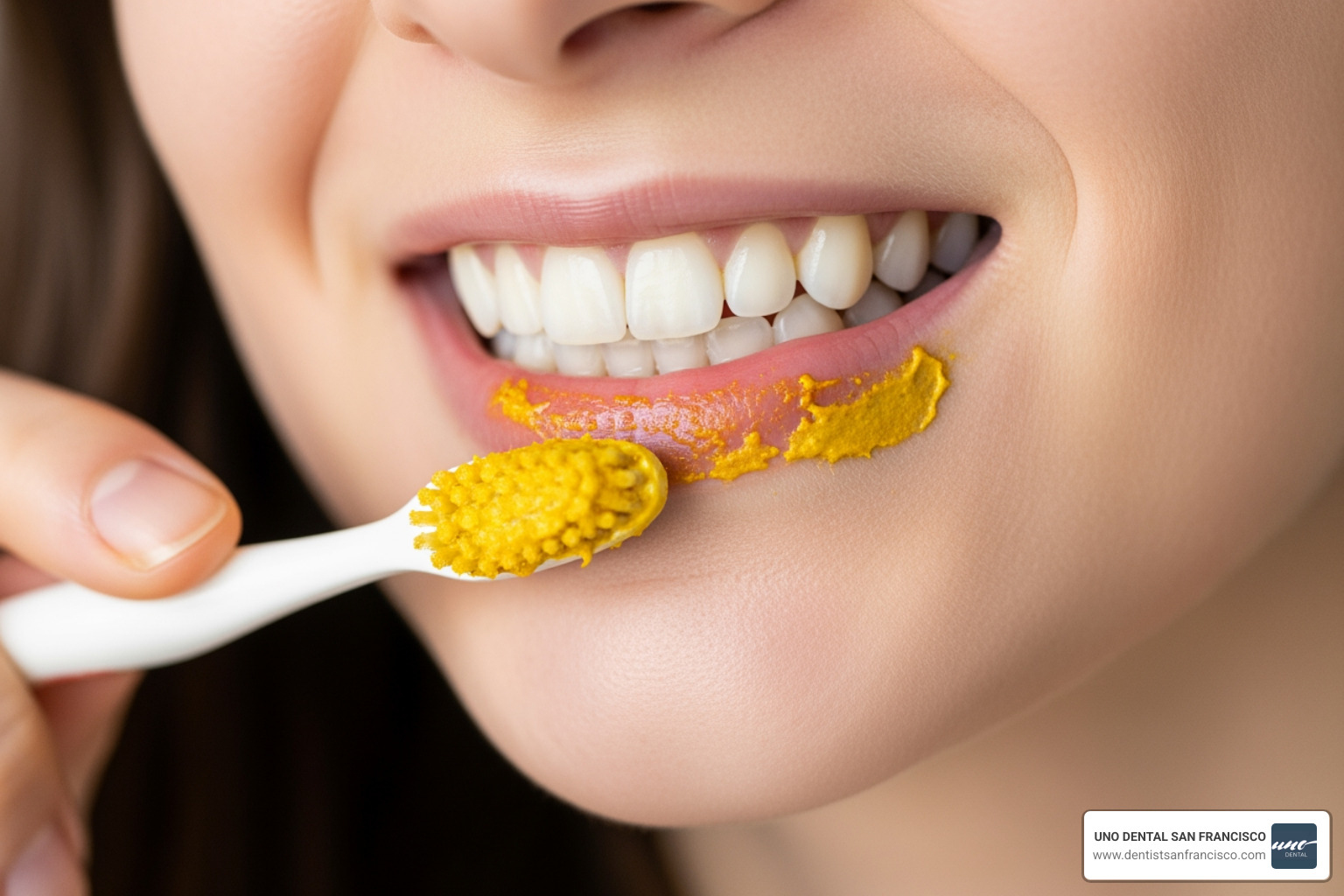
- Turmeric gel - Apply to gums for 10 minutes, then rinse, twice daily
- Aloe vera mouthwash - Swish pure aloe vera juice for 30 seconds, two to three times daily
- Lemongrass oil rinse - Add two to three drops to water, swish for 30 seconds, two to three times daily
- Tea tree oil rinse - Add three drops to warm water, swish for 30 seconds, two to three times daily
- Hydrogen peroxide rinse - Mix equal parts 3 percent hydrogen peroxide and water, swish for 30 seconds, a few times weekly
Important: Home remedies work best for early-stage gingivitis. They support—but do not replace—professional dental care.
Gingivitis is more common than most people realize. Nearly half of U.S. adults have some form of gum disease. If your gums bleed when you brush or floss, look darker red than usual, or feel tender, you may already have it.
The good news? Gingivitis is reversible. Caught early, the right home care routine can calm inflammation and help your gums heal—without a complicated treatment plan.
But not all remedies are created equal. Some have solid science behind them. Others are popular but lack real evidence. This guide cuts through the noise.
I'm Mohammad Aghiad Kandar, DDS, with over 15 years of clinical experience in periodontal health and preventive dentistry at UNO DENTAL SAN FRANCISCO—where I've helped many patients find effective gingivitis home remedies to complement their professional care. I'll walk you through what the science actually supports, so you can take action today.
Gingivitis home remedies helpful reading:
Understanding Gingivitis and the Mouth-Body Connection
Before we dive into the kitchen cabinet for gingivitis home remedies, we need to understand what we are fighting. Gingivitis is the earliest stage of gum disease. It starts when bacteria in your mouth form a soft, sticky, colorless film called plaque. If you don't brush and floss that plaque away, it irritates the gum tissue, leading to inflammation.
If plaque stays on your teeth for more than a couple of days, it can harden into tartar (calculus). Think of tartar as "plaque on steroids"—it’s a hard mineral deposit that only a dental professional like us can remove. According to the Journal of Dental Research, plaque and tartar are the primary drivers of gum disease.
The High Stakes of Gum Health
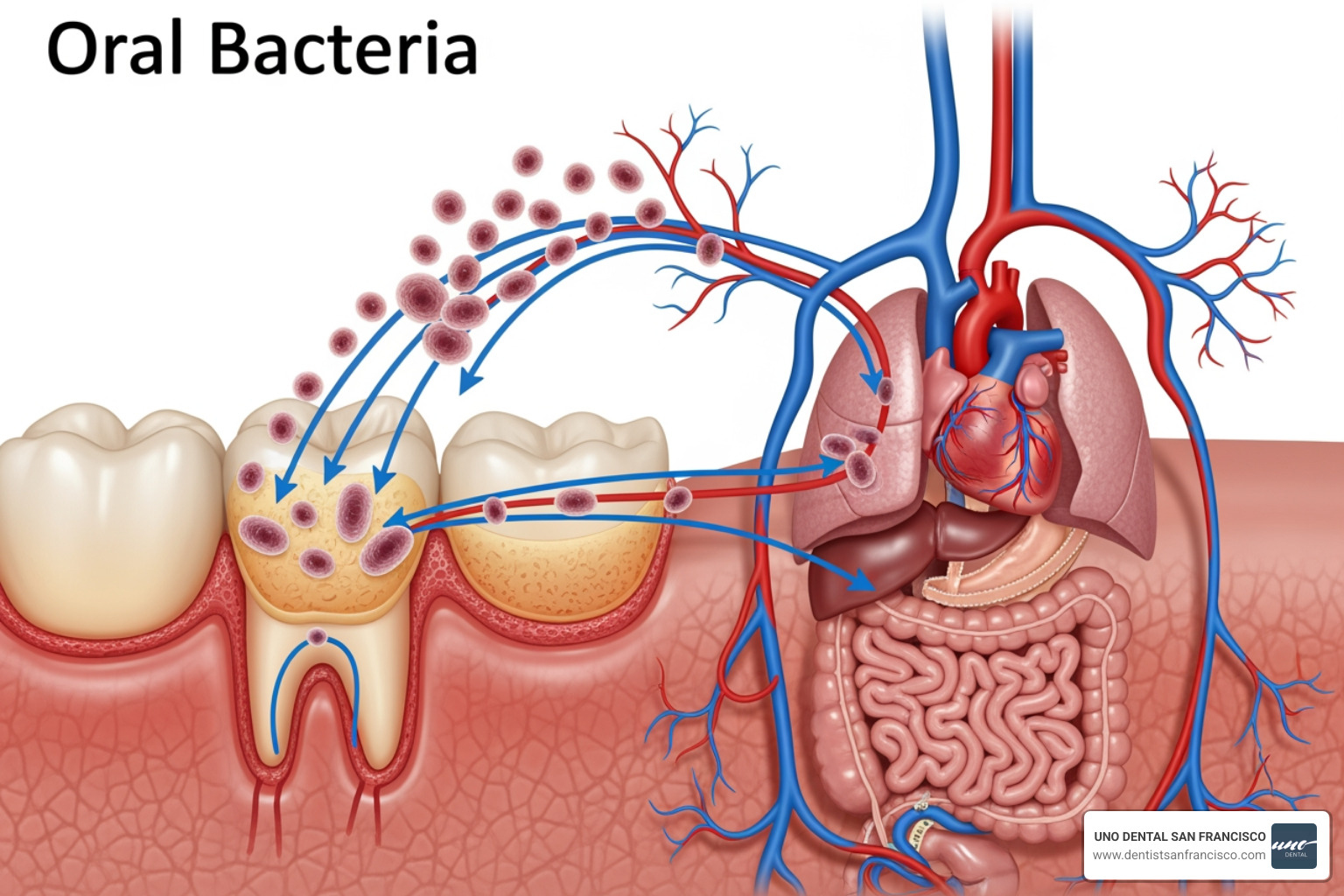
It isn't just about your smile. We often talk to our San Francisco patients about the "mouth-body connection." Your mouth is the gateway to your body. When your gums are chronically inflamed, bacteria can enter your bloodstream through the tiny wounds in your gum line.
Research, including insights from The Mouth-Body Connection, shows that untreated gingivitis can lead to systemic health issues, including heart disease and diabetes. In fact, a 2004 study highlighted that severe periodontitis significantly increases the risk of ischemic stroke.
Who is at Risk?
Statistics show that nearly half of adults over 30 in the US (47.1 percent) have some form of gum disease. By the time we reach age 65, that number jumps to 64% for moderate or severe periodontal disease. Risk factors include:
- Poor oral hygiene habits
- Smoking or chewing tobacco
- Hormonal changes (like pregnancy or menopause)
- Malnutrition (especially Vitamin C deficiency)
- Systemic diseases like diabetes
Science-Backed Gingivitis Home Remedies
When we look for gingivitis home remedies, we want treatments that actually do two things: kill harmful bacteria and reduce inflammation. Many natural rinses have been studied head-to-head against chlorhexidine, the "gold standard" medicated mouthwash prescribed by dentists.
Saltwater Rinses as Gingivitis Home Remedies
The humblest of all gingivitis home remedies is often the most effective. Salt is a natural disinfectant. It helps the body heal by drawing out excess fluid from inflamed tissues through osmosis, which reduces swelling.
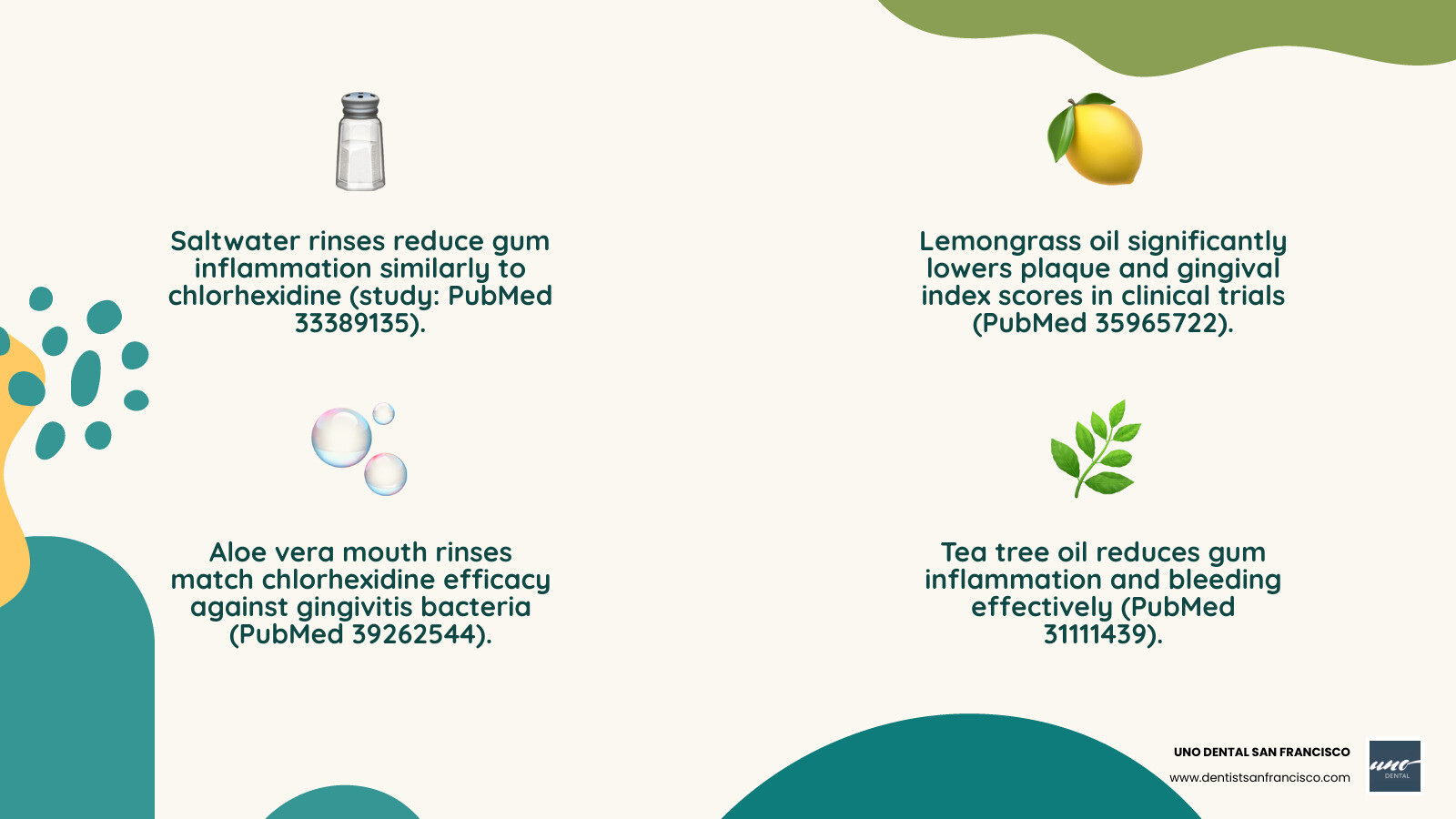
Studies show that a warm saltwater mouth rinse has a similar effect on gum disease as medicated oral rinses like chlorhexidine. It’s also incredibly gentle, which is why we often recommend it to heal your gums after minor dental procedures.
How to use it:
- Mix 1/2 to 3/4 teaspoon of salt into a glass of lukewarm water.
- Swish the solution in your mouth for 30 seconds.
- Spit it out (don't swallow—you're not making soup!).
- Repeat two to three times a day.
Essential Oils and Herbal Gingivitis Home Remedies
If you’re looking for something more "advanced" than salt, essential oils offer powerful antimicrobial properties.
Oil Pulling
This ancient Ayurvedic practice involves swishing oil in the mouth to "pull" out bacteria. Coconut oil is the fan favorite because it contains lauric acid, which has proven anti-inflammatory and antimicrobial effects. If you want to go the traditional route, Arimedadi oil is a blend of herbs specifically proven against plaque-induced gingivitis.
How to do it:
- Put 1 tablespoon of high-quality coconut oil in your mouth.
- Swish it around for 10 to 15 minutes. (Pro tip: Do this while showering or checking emails to make the time pass faster).
- Spit the oil into a trash can—not the sink, or you'll be calling a plumber next!
- Rinse with water and brush your teeth immediately.
Lemongrass and Tea Tree Oil
If swishing oil for 15 minutes sounds like a chore, herbal mouthwashes are a great alternative. Lemongrass oil benefits are significant; research shows it can reduce harmful bacteria levels comparable to chlorhexidine. Similarly, tea tree oil is known for reduced gum inflammation.
How to use Lemongrass Rinse:
- Dilute two to three drops of lemongrass essential oil in a cup of water.
- Swish for 30 seconds and spit.
- Repeat two to three times daily.
Topical Treatments and Nutritional Support
Sometimes, a liquid rinse isn't enough. Topical applications allow "active ingredients" to sit on the gum tissue longer, providing deeper relief.
The Power of Turmeric and Aloe Vera
Turmeric contains curcumin, a compound with massive anti-inflammatory and antioxidant powers. Applying a topical turmeric paste is a potent early gum disease treatment. In fact, one study showed that herbal dentifrice with turmeric led to a 70% to 72% decline in gingivitis after just 15 days.
Aloe vera is equally impressive. While we usually think of it for sunburns, aloe vera efficacy in treating plaque-induced gingivitis is well-documented. It’s a soothing, natural way to reduce the "fire" in your gums.
Clove Oil: The Natural Anesthetic
If your gingivitis has reached the stage where it’s actually painful, clove oil is your best friend. It contains eugenol, a beneficial phenylpropanoid that acts as a natural anesthetic and antiseptic. Studies show it is excellent at alleviating gingivitis symptoms and preventing infection.
How to use Clove Oil:
- Dip a cotton swab into clove oil (dilute with a carrier oil like olive oil if you have sensitive skin).
- Gently rub it onto the painful areas of your gums.
- Let it sit for a minute, then rinse.
Nutritional Support: Eating for Your Gums
What you put inside your body matters as much as what you put on your gums.
- Vitamin C: This vitamin is essential for collagen synthesis, which helps keep your gum tissue firm and resilient. A deficiency can lead to weakened gums that bleed easily.
- Green Tea: It contains antioxidants called catechins. Drinking unsweetened green tea can help fight oral bacteria. You can even find xylitol gum with green tea extracts to help reduce plaque throughout the day.
- Barberry (Berberine): Research shows barberry gel can decrease oral biofilm by nearly 57%.
Essential Oral Hygiene for Prevention
While gingivitis home remedies are fantastic for treating a flare-up, they won't work long-term if your daily habits aren't on point. Think of remedies as the "fire extinguisher" and oral hygiene as the "fireproofing."
Brushing and Flossing: The Basics
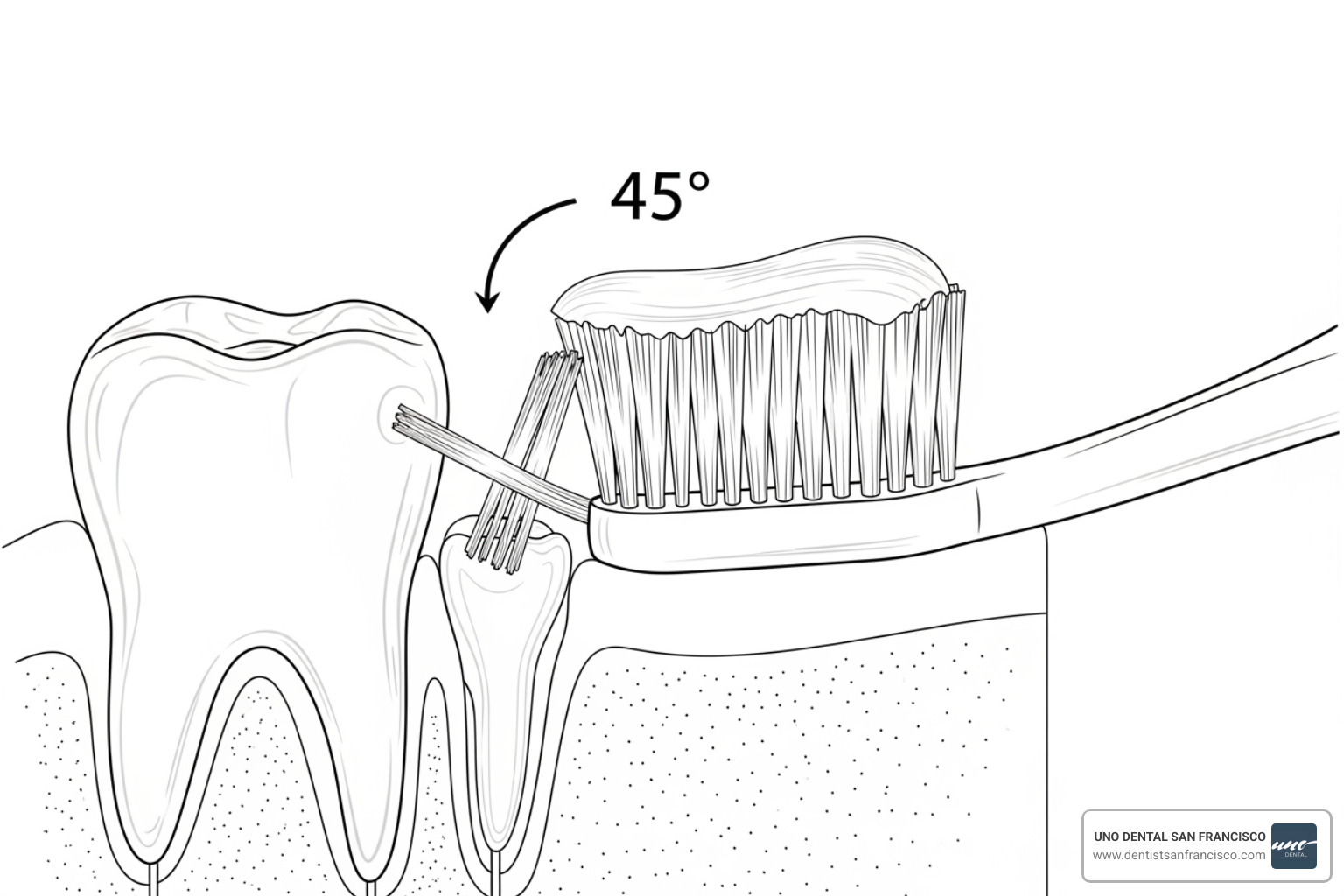
You must brush twice a day for at least two minutes. Use a soft-bristled brush and hold it at a 45-degree angle toward your gums. This allows the bristles to reach slightly under the gum line where plaque loves to hide.
Dental floss importance cannot be overstated. Toothbrushes simply cannot reach the spaces between your teeth. If you don't floss, you're leaving about 35% of your tooth surfaces dirty!
Modern Tools for Gum Health
We are big fans of holistic, high-tech care at UNO DENTAL SAN FRANCISCO. Here are a few "pro" tips for your home routine:
- Prebiotic Toothpaste: For advanced microbiome support, we often suggest using a prebiotic toothpaste. Unlike traditional toothpastes that kill all bacteria, prebiotics help the "good" bacteria thrive.
- Baking Soda: It’s a mild abrasive that provides excellent acid neutralization in the mouth, making it harder for plaque-causing bacteria to survive.
- Hydroxyapatite: This is a natural alternative to fluoride that helps strengthen enamel and reduce sensitivity.
Frequently Asked Questions about Gum Care
Can gingivitis be reversed at home?
Yes, in its early stages! Because gingivitis hasn't yet caused permanent damage to the bone or connective tissue, consistent plaque removal through brushing, flossing, and the gingivitis home remedies mentioned above can completely reverse the condition. However, if that plaque has hardened into tartar, you need a professional cleaning to get a "fresh start."
When should I see a dentist for gum pain?
Home remedies are great, but they have limits. You should schedule an appointment with us if you notice:
- Persistent bleeding that doesn't improve after a week of home care.
- Gums that are pulling away from your teeth (recession).
- Loose or shifting teeth.
- Chronic halitosis (bad breath) that won't go away.
- Pus between your teeth and gums.
Are there any home remedies I should avoid?
Yes! Be careful with "viral" trends.
- Abrasive Charcoal: It can be too harsh for inflamed gums and can actually wear down your enamel.
- Undiluted Vinegar: The high acidity can erode enamel and irritate sensitive gum tissue.
- Harsh Scrubbing: Brushing harder doesn't mean brushing better. It can lead to gum recession.
Conclusion
At UNO DENTAL SAN FRANCISCO, we believe in a patient-centered, holistic approach. Home care strategies can support healthier gums, but professional evaluation and cleanings are often essential for long-term stability, especially when plaque has hardened into tartar.
We provide individualized care in a high-tech, welcoming environment right here in San Francisco. If your gums are bleeding, swollen, painful, or your symptoms are not improving with consistent home care, we encourage you to schedule a visit so we can identify the cause and help you recover quickly.
Ready to restore your gum health? Contact UNO DENTAL SAN FRANCISCO today for a consultation.
Additional Resources for Your Gum Health Journey: