
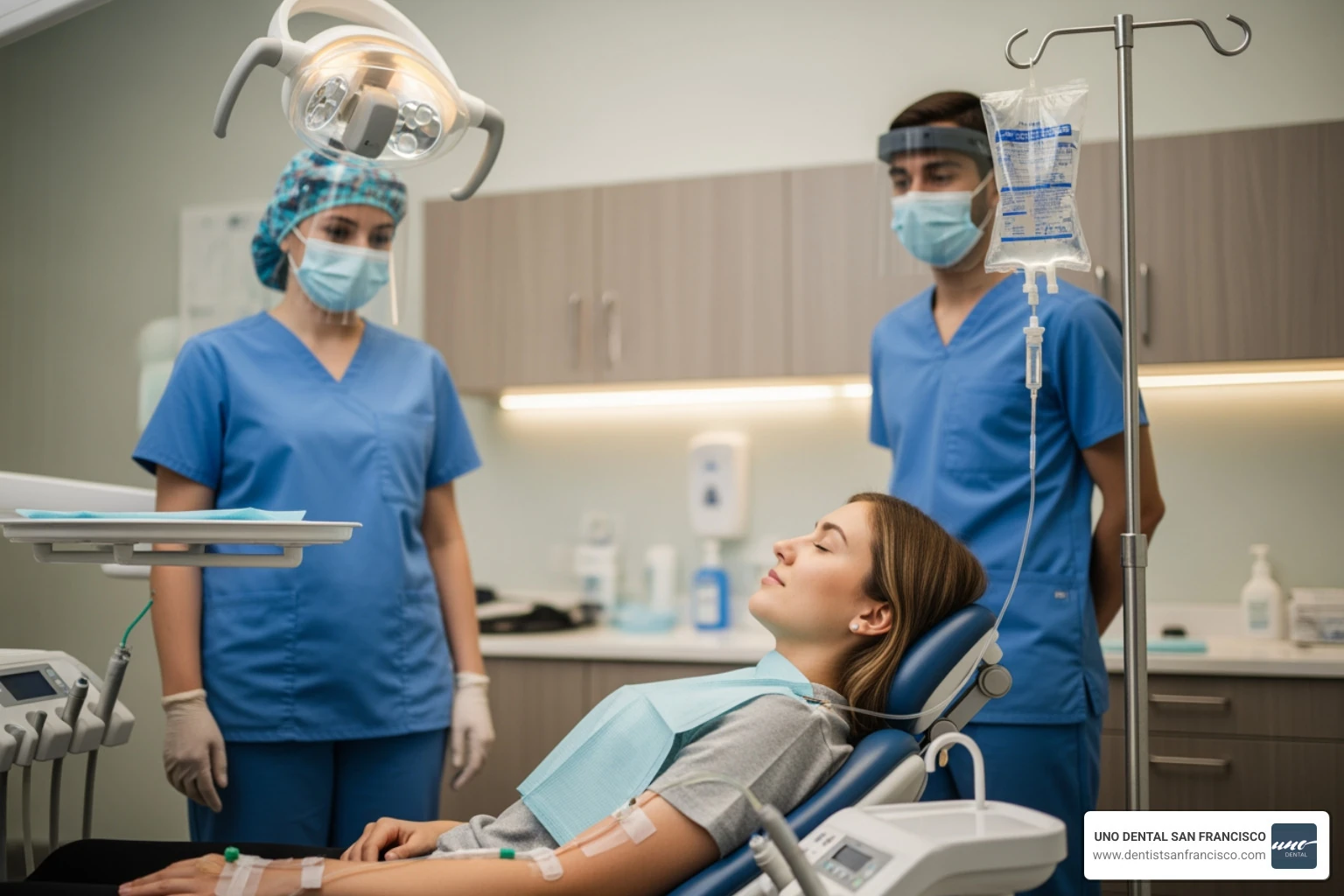
Why Dental Comfort Matters More Than Ever
Intravenous sedation dentistry uses medication delivered directly into your bloodstream to help you relax deeply during dental procedures. Here's what you need to know:
- What it is: A form of conscious sedation where you remain awake but deeply relaxed, with little to no memory of the procedure
- How it works: Sedative medication is administered through an IV line, taking effect within minutes
- Who it's for: Patients with severe dental anxiety, those undergoing lengthy procedures, or anyone who wants a more comfortable dental experience
- Key benefits: Quick onset, adjustable dosage, amnesia effect, and the ability to complete multiple treatments in one visit
- Safety: Continuous monitoring of vital signs throughout the procedure by trained professionals
Over 50% of adults admit that dental anxiety causes them to skip appointments. If fear of the drill, a past negative experience, or a feeling of vulnerability in the dental chair sounds familiar, you're not alone—and there is a safe, well-established solution that has been carefully reviewed and implemented at our practice.
Intravenous sedation dentistry offers a bridge between conscious care and complete comfort. It's not general anesthesia—you won't be "put under"—but it does create a state of deep relaxation where anxiety melts away and time seems to pass in moments.
This guide covers how IV sedation works, who it's for, what to expect, and how it compares to other options, empowering you to choose anxiety-free dental care.
As Mohammad Aghiad Kandar, DDS, I have personally reviewed, refined, and approved our IV sedation protocols based on over 15 years of experience helping patients overcome dental anxiety through compassionate care and advanced techniques, including extensive training in intravenous sedation dentistry and sedation monitoring. My goal is to make every visit to UNO DENTAL SAN FRANCISCO a comfortable, stress-free experience where you feel safe and cared for.
Intravenous sedation dentistry helpful reading:
What is IV Sedation Dentistry and How Does It Work?
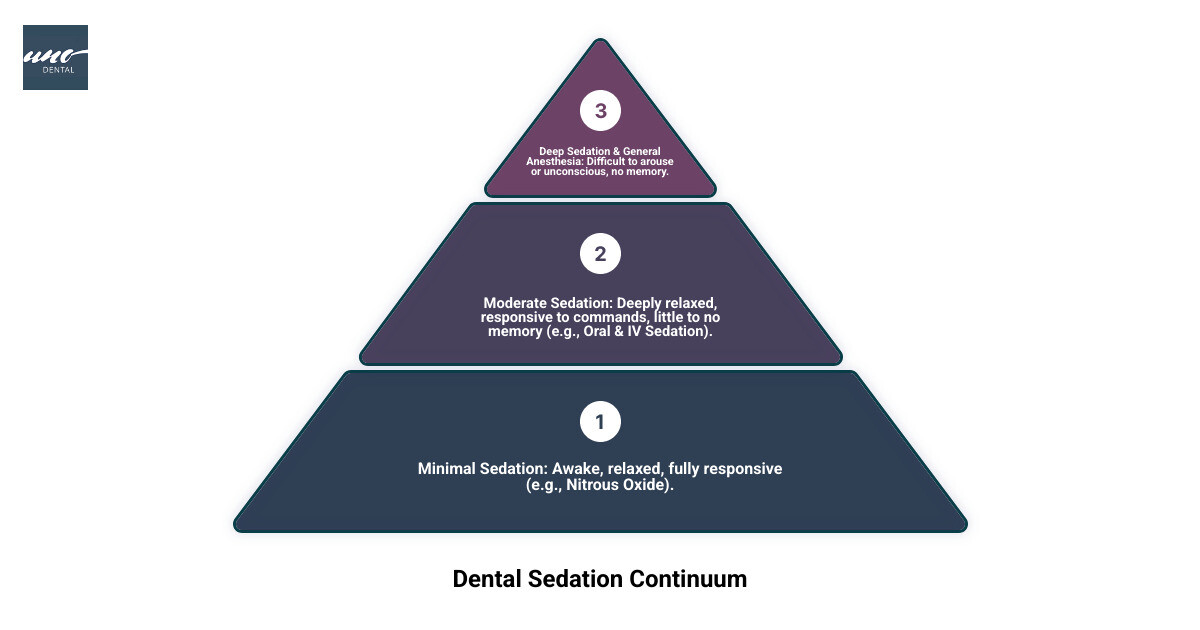
Intravenous sedation dentistry, often called "IV sedation" or "twilight sleep," is a technique designed to help you feel profoundly relaxed during dental procedures. While you remain conscious and able to respond, you'll experience a deep sense of calm and often remember little to nothing of the treatment itself.
This form of conscious sedation involves administering anti-anxiety medication directly into your bloodstream via a small IV line. Because the medication enters your system immediately, the effects are fast-acting. This direct route also allows us to precisely control the level of sedation throughout your procedure, ensuring your comfort and safety.
The goal is to induce a state of deep relaxation where anxiety, pain perception, and awareness of the dental environment fade. Many patients feel as if they are in a dream-like state, or "twilight sleep."
A key benefit is the amnesia effect. The medications used often leave you with little to no memory of the procedure, which is a significant relief for patients with dental phobia or past trauma. At UNO DENTAL SAN FRANCISCO, our approach ensures you are deeply relaxed but can still communicate, making IV sedation an incredibly effective tool for managing dental anxiety.
The medications commonly used in intravenous sedation dentistry are potent and effective. Benzodiazepines, such as Midazolam, are frequently chosen for their anxiety-reducing and amnesic properties. Another agent, Propofol, is used for its rapid onset and quick recovery. We carefully select sedatives based on your individual needs and medical history to ensure the safest outcome. You can read more about the pharmacology of these medications in review articles like those on Current trends in intravenous sedative drugs for dental procedures.
The Transformative Benefits of Choosing IV Sedation
For many, the thought of a dental visit triggers significant anxiety. Intravenous sedation dentistry offers a compassionate and highly effective solution, turning a stressful experience into a calm one.
Here are some of the key benefits for our patients at UNO DENTAL SAN FRANCISCO:
- Overcoming Dental Phobia and Anxiety: This is the most significant benefit. IV sedation helps you relax completely, allowing you to address oral health concerns without the fear that may have kept you away.
- Pain-Free Procedures: While we still use local anesthetic, IV sedation raises your pain threshold, ensuring you feel minimal to no discomfort during your procedure.
- Improved Comfort: You'll be deeply relaxed and less aware of the sounds and sensations of treatment, improving your overall comfort.
- Efficiency and Single-Visit Dentistry: Your relaxed state allows us to work more efficiently, often completing multiple treatments in a single, stress-free appointment. This saves you time and reduces the number of visits.
- Gag Reflex Suppression: IV sedation effectively suppresses an overactive gag reflex, making treatment more comfortable and straightforward.
- Little to No Memory of the Procedure: The amnesic effect means you'll likely remember little about the treatment, which is ideal for patients with past dental trauma.
- Quick Onset and Adjustable Depth: The sedative takes effect almost instantly, and we can precisely adjust the dosage throughout your appointment to maintain optimal comfort.
At UNO DENTAL SAN FRANCISCO, we believe everyone deserves comfortable dental care. IV sedation helps us deliver on that promise. Learn more about how we can help with your restorative needs: More info about our restorative dentistry services.
Who is an Ideal Candidate for intravenous sedation dentistry?
Intravenous sedation dentistry is a fantastic option for many patients. You might be an ideal candidate if you experience:
- Severe Dental Anxiety or Phobia: If significant stress or fear prevents you from seeking dental care.
- Traumatic Dental History: Past negative experiences can be overcome with sedation, creating new, positive ones.
- Low Pain Threshold: For individuals who are naturally more sensitive to discomfort.
- Sensitive Teeth: Makes even routine procedures more comfortable for those with highly sensitive teeth.
- Strong Gag Reflex: Calms an exaggerated gag reflex that can make dental work difficult.
- Complex or Lengthy Dental Procedures: Ensures you remain comfortable during long appointments for treatments like implants or wisdom tooth removal.
- Difficulty Staying Still: Beneficial for patients who find it hard to remain still for long periods.
- Patients with Certain Medical Conditions: Can make treatment safer for patients with well-controlled systemic conditions by reducing stress (always determined after a full medical evaluation).
Who Should Discuss Alternatives to IV Sedation?
While intravenous sedation dentistry is safe for many, it's not for everyone. Your safety is our priority, and we conduct a comprehensive medical evaluation. We may recommend alternatives if you have:
- Pregnancy: We generally advise against elective sedation during pregnancy.
- Known Allergy to Sedatives: If you have a known allergy to benzodiazepines, propofol, or other sedatives.
- Uncontrolled Systemic Health Conditions: Severe, uncontrolled heart, lung, kidney, or liver disease requires careful evaluation.
- Severe Respiratory Issues: Conditions like severe sleep apnea or COPD increase risks.
- Certain Neurological Conditions: Some conditions affecting respiratory function may make IV sedation unsuitable.
- Specific Medications: If you take medications that could negatively interact with sedatives.
- History of Adverse Reactions to Anesthesia: Requires careful consideration and discussion.
- Acute Angle-Closure Glaucoma: Certain sedatives are contraindicated for this condition.
- Residual Stomach Contents: Strict fasting is required to minimize risks; if not followed, the procedure may be postponed.
Your initial consultation is crucial for determining the safest sedation plan for your unique needs.
Your IV Sedation Journey: From Preparation to Recovery
At UNO DENTAL SAN FRANCISCO, we ensure you feel informed, comfortable, and safe every step of the way. Your journey with intravenous sedation dentistry is a carefully managed process designed for a stress-free experience.

Preparing for Your Intravenous Sedation Dentistry Appointment
Proper preparation is key to a safe IV sedation experience.
- Initial Consultation and Medical History Review: We'll conduct a thorough consultation to review your medical history, medications, and dental needs to confirm IV sedation is a safe and appropriate choice for you.
- Pre-Procedure Instructions and Fasting Requirements: You will be required to fast (no food or drink) for 6-8 hours before your appointment to ensure your safety. We will provide precise instructions.
- Arranging a Responsible Escort: You must arrange for a responsible adult to drive you to and from your appointment and stay with you for the rest of the day.
- Comfortable Attire: Wear loose, comfortable clothing to help you relax and allow easy access for our monitoring equipment.
- Medication Review: We will advise if any of your regular medications need to be adjusted before the procedure. Do not alter your medication schedule without our guidance.
During the IV Sedation Procedure
Once you arrive, your comfort journey begins:
- IV Line Placement: A small catheter is gently placed in a vein in your arm or hand. We can use a topical anesthetic to minimize discomfort.
- Administering Sedative and Titration: The sedative is administered through the IV, taking effect almost immediately. We carefully titrate (adjust) the dosage to achieve your ideal level of relaxation.
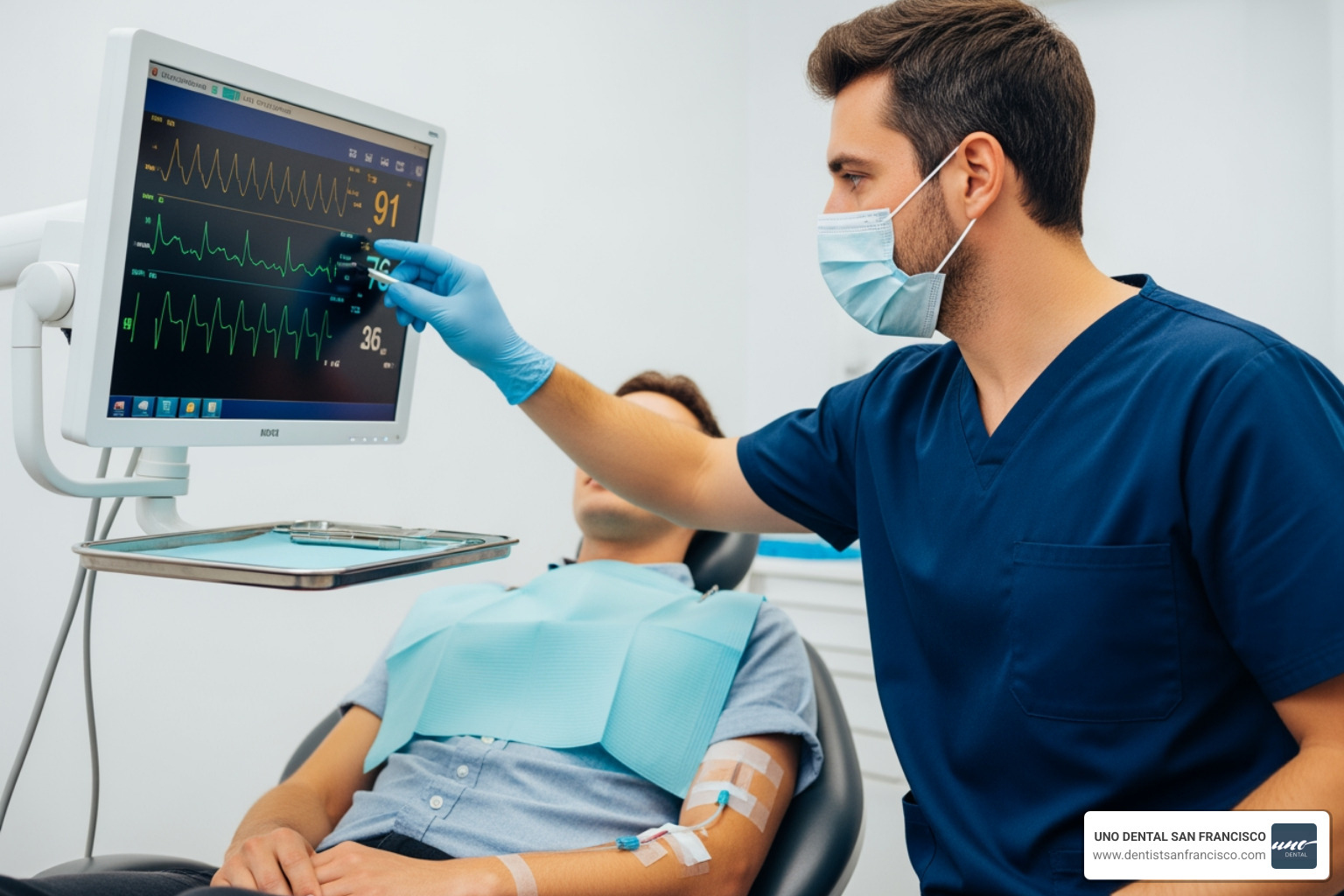
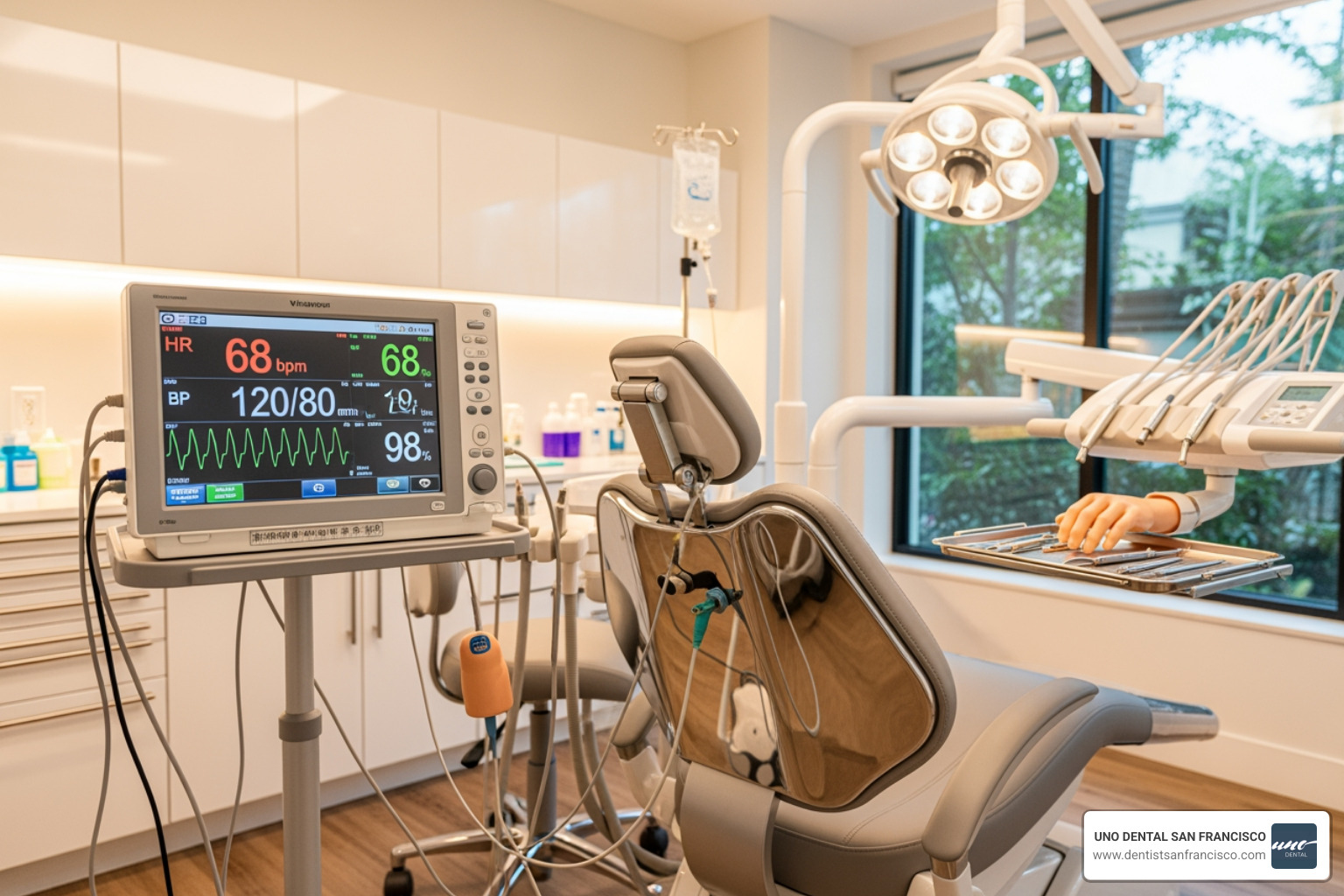
- Continuous Vital Sign Monitoring: Your safety is paramount. We continuously monitor your heart rate, blood pressure, and oxygen levels throughout the procedure.
- Patient Responsiveness: Though deeply relaxed, you will remain conscious and able to respond to verbal cues.
- Local Anesthetic Application: Once you are sedated, we administer a local anesthetic to numb the treatment area, ensuring a pain-free procedure.
The Post-Procedure Recovery Process
After your treatment, our care continues:
- On-Site Monitoring: We monitor you in our recovery area until you are stable and meet our discharge criteria.
- Grogginess and Drowsiness: It's normal to feel groggy for several hours after sedation.
- Escort for Transportation: Your escort will drive you home. You cannot drive or operate machinery for the rest of the day.
- 24-Hour Recovery Period: Plan to rest and avoid strenuous activity for at least 24 hours.
- Rest and Hydration: Get plenty of rest and stay hydrated. We'll provide specific instructions regarding food and drink.
- Post-Operative Care Instructions: You will receive clear written and verbal post-operative instructions.
- Avoiding Strenuous Activity: For 24 hours, avoid tasks requiring concentration. Resume normal activities only when you feel fully alert.
Safety, Qualifications, and Cost of IV Sedation
At UNO DENTAL SAN FRANCISCO, your safety and well-being are our top priorities. We adhere to the highest standards of care for intravenous sedation dentistry.
Potential Risks and Safety Protocols
While IV sedation is very safe when administered by qualified professionals, it's important to understand the process:
- Common Side Effects: Mild, temporary side effects like drowsiness, dizziness, or nausea are normal and usually subside within hours.
- Rare Complications: Serious complications like allergic reactions or respiratory depression are rare. Our safety protocols are designed to prevent and manage such events.
- Importance of Monitoring: We minimize risks by continuously monitoring your vital signs (heart rate, blood pressure, oxygen saturation) to detect and respond to any changes immediately.
- Reversal Agents: In the rare event of an adverse reaction, we have reversal agents on hand to quickly counteract the sedative's effects.
Our practice follows strict guidelines, such as the Practice Guidelines for Intravenous Conscious Sedation in Dentistry, to ensure every procedure is conducted with the utmost care.
Dentist Qualifications and Training for Intravenous Sedation Dentistry
Administering intravenous sedation dentistry requires specialized training beyond standard dental school. Our team at UNO DENTAL SAN FRANCISCO meets and exceeds these rigorous requirements.
- Advanced Training Requirements: Dentists offering IV sedation must complete extensive postgraduate training in anesthesiology and sedation.
- State Dental Board Regulations: We strictly adhere to California Dental Board regulations, which mandate specific permits and continuing education for administering IV sedation.
- Continuing Education: Our team regularly participates in continuing education to stay current on the latest sedation techniques and emergency management.
- ADA Guidelines: We follow the comprehensive American Dental Association (ADA) guidelines for the safe use of sedation, which you can review here: ADA guidelines for sedation by dentists.
- Certified Team: Our clinical team holds certifications in Basic Life Support (BLS) and Advanced Cardiac Life Support (ACLS), ensuring we are fully prepared for any situation.
Understanding the Associated Costs
The cost of intravenous sedation dentistry varies, and we believe in transparent pricing.
- Duration of Sedation: The cost is influenced by the length of time you are under sedation.
- Complexity of Procedure: More complex dental work may require longer sedation, affecting the fee.
- Insurance Coverage Variability: Coverage for sedation varies by plan. We recommend checking with your provider, and we can help you understand your benefits.
- Financing Options: We offer various financing options to make treatment affordable and will discuss these during your consultation.
- Pre-Treatment Estimates: We provide a detailed cost estimate before your procedure, so there are no surprises.
We encourage you to discuss any financial concerns with our team. Our goal is to ensure you receive the care you need without financial surprises.
Comparing Sedation Options: IV vs. Other Methods
Choosing the right type of sedation is a personal decision, and at UNO DENTAL SAN FRANCISCO, we offer a range of options to suit different needs and anxiety levels. While intravenous sedation dentistry provides the deepest level of conscious sedation, it's helpful to understand how it compares to other common methods.
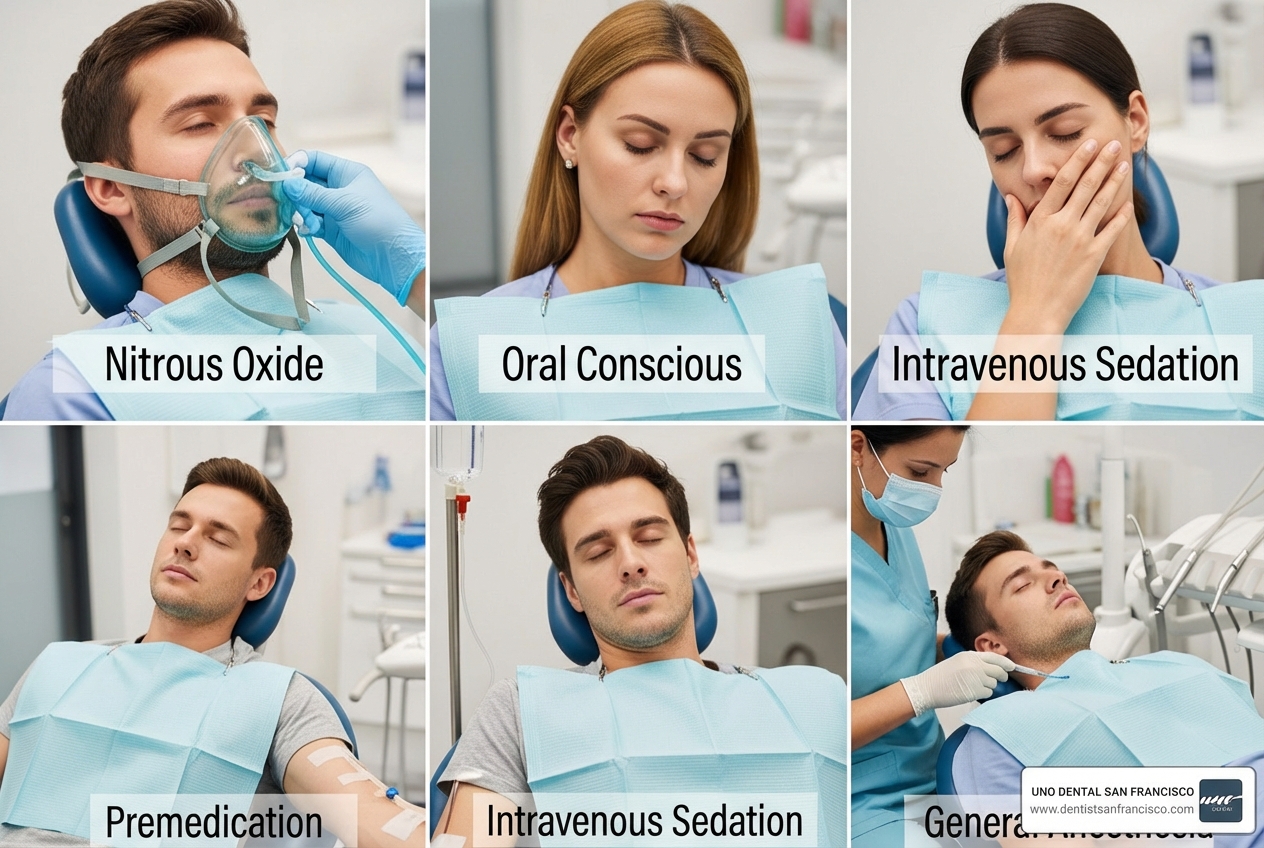
Here’s a quick overview of how IV sedation stacks up against other popular choices:
| Feature | IV Sedation | Oral Conscious Sedation | Nitrous Oxide (Laughing Gas) | General Anesthesia |
|---|---|---|---|---|
| Level of Sedation | Deepest conscious sedation | Moderate | Minimal | Deepest (unconscious) |
| Onset Speed | Very rapid (minutes) | Slower (30-60 minutes) | Very rapid (seconds to minutes) | Rapid (minutes) |
| Recovery Time | Several hours of grogginess | Several hours of grogginess | Very rapid (minutes) | Longer (hours, sometimes overnight facility) |
| Amnesia Effect | Strong (often no memory of procedure) | Moderate (may remember little or nothing) | Minimal (fully aware) | Complete (no memory) |
| Patient Responsiveness | Conscious, responds to commands | Conscious, responds to commands | Conscious, fully interactive | Unconscious, no purposeful response |
| Administration | IV line into vein | Pill swallowed | Inhaled through a mask | IV and/or inhaled gases |
| Control/Adjustability | Highly adjustable throughout procedure | Limited (once pill is taken) | Highly adjustable throughout procedure | Highly adjustable by anesthesiologist |
| Ideal Use Cases | Severe anxiety, long/complex procedures, strong gag reflex | Moderate anxiety, single procedures, mild phobia | Mild anxiety, short procedures, children | Extreme anxiety, lengthy/complex surgeries, special needs where cooperation is impossible |
Nitrous Oxide (Laughing Gas): A mild, inhaled sedative for light relaxation during short procedures. Its effects wear off quickly, so you can drive home afterward. Ideal for mild anxiety.
Oral Conscious Sedation: A prescribed pill taken before your appointment induces moderate relaxation. You'll feel drowsy but can be roused. An escort is required as the effects last for hours. Suitable for moderate anxiety.
General Anesthesia: This induces a state of complete unconsciousness ("asleep") and is reserved for extensive surgeries or patients who cannot cooperate. It requires more intensive monitoring and a longer recovery than IV sedation.
Intravenous sedation dentistry offers a unique balance. It provides deeper relaxation and amnesia than oral sedation or nitrous oxide while allowing you to remain conscious, making it safer than general anesthesia. It is the most effective form of conscious sedation available in a dental office for managing significant anxiety or long procedures.
For a deeper dive into all your comfort options, visit our dedicated page: More info about our sedation options.
Conclusion
At UNO DENTAL SAN FRANCISCO, our mission is to make dental care a comfortable, anxiety-free experience.
Intravenous sedation dentistry is a powerful tool for achieving this, offering profound relaxation so you can receive needed care without fear or unpleasant memories. It is an ideal solution for patients with severe dental anxiety, a sensitive gag reflex, or those undergoing lengthy procedures.
Our highly qualified team, led by Dr. Kandar, is expertly trained in administering IV sedation safely, adhering to the strictest protocols in our high-tech, holistic environment.
Don't let dental anxiety compromise your oral health. If you're ready for a calmer dental visit, we invite you to connect with us. Take the first step towards a healthier, happier smile.
Schedule your free virtual smile consultation with UNO DENTAL SAN FRANCISCO today, and let us show you how comfortable dental care can truly be.