
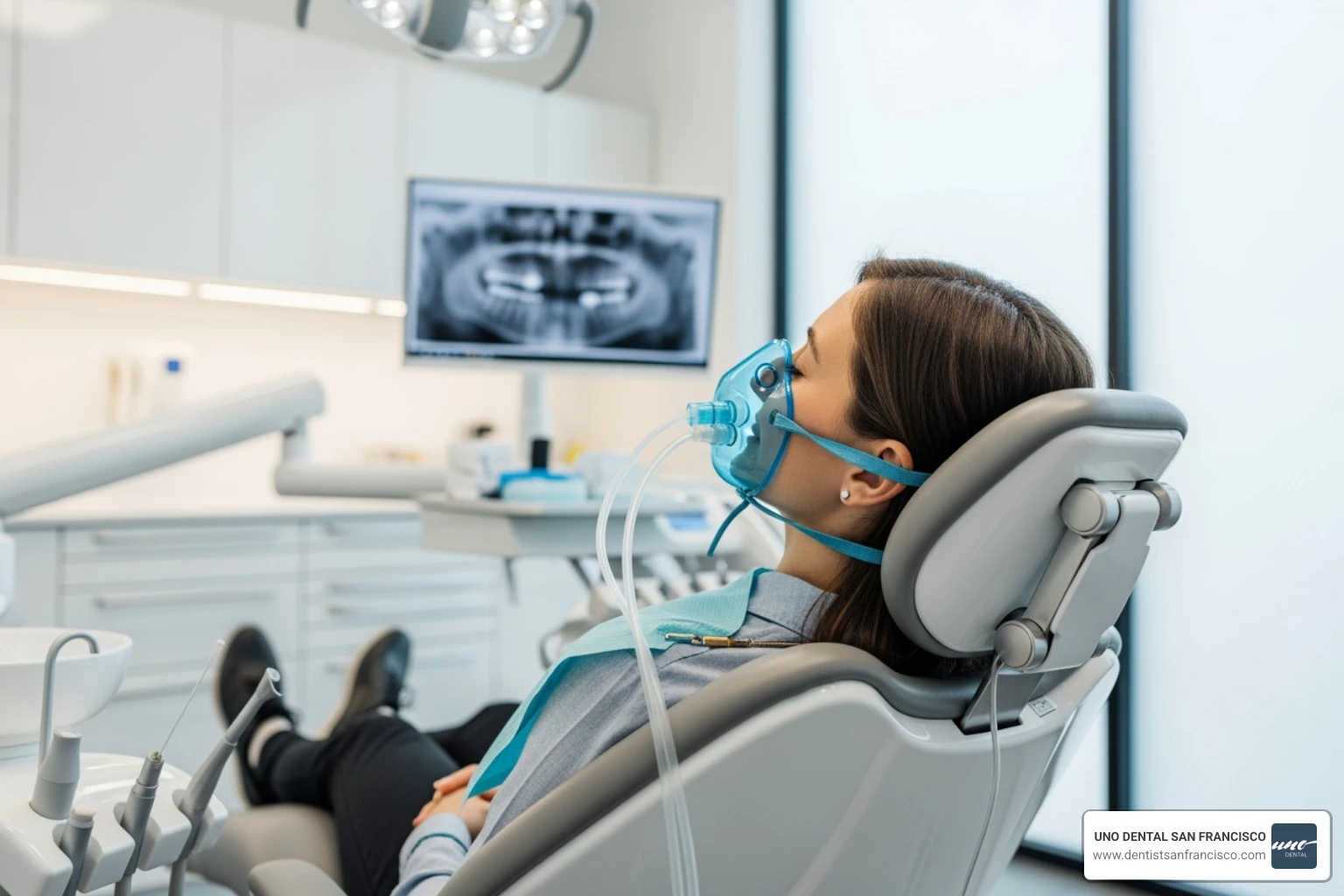
Your Guide to Understanding Dental Sedation
Many patients seeking anxiety-free dental care often wonder about the availability of sedation dentistry. The good news is that many modern dental practices offer various sedation options. The specific services, such as nitrous oxide (laughing gas), oral sedation, and IV sedation, can vary by location and the qualifications of the dental specialists on staff.
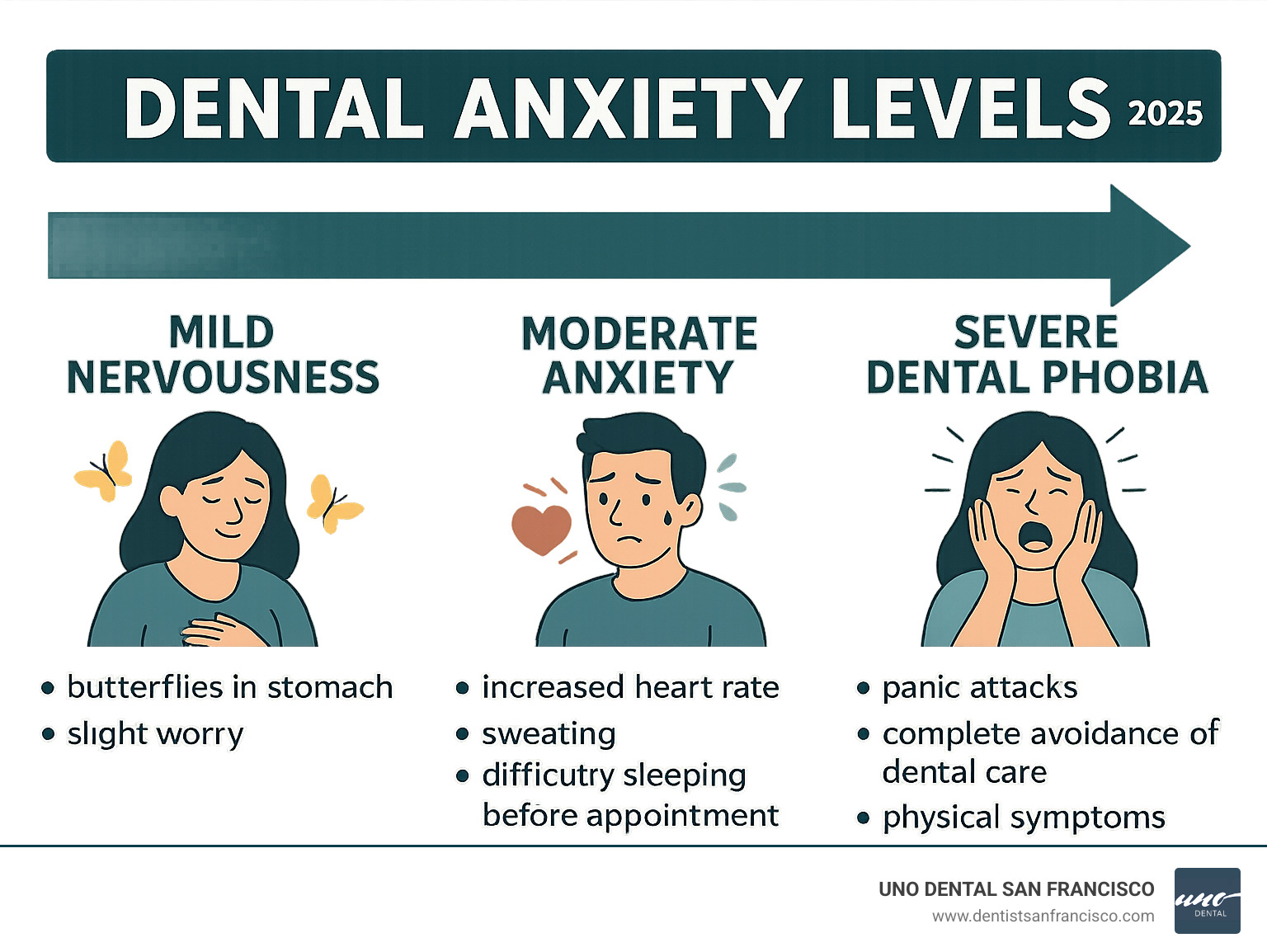
Many people experience dental anxiety that prevents them from getting needed care. As one patient shared, "I would rather endure a toothache than have my teeth checked." This fear affects millions of Americans who avoid essential dental treatment.
Sedation dentistry helps patients feel calm and comfortable during procedures. It ranges from mild relaxation with laughing gas to deeper sedation for complex treatments. The goal is simple: make dental care accessible for everyone, regardless of their anxiety level.
As Dr. Mohammad Aghiad Kandar with over 15 years of dental experience, I've helped countless patients overcome their fears through sedation dentistry. I understand that questions about sedation options reflect a real need for anxiety management in dental care. My expertise in sedation monitoring and patient-centered care has shown me how transformative comfortable dentistry can be for those who have avoided treatment due to fear.
Key terms to learn:
Does Sedation Dentistry Meet Your Needs? A General Overview
If you have dental anxiety, modern dentistry offers several effective solutions to help you feel comfortable. Understanding these options can transform your dental experience from stressful to peaceful.
Most dental practices offer basic comfort measures like local anesthetic and numbing gel. For heightened anxiety, additional methods are available. Nitrous oxide (laughing gas) is common for mild nervousness. Oral sedation uses prescribed medication for deeper relaxation, suitable for moderate anxiety or longer procedures. IV sedation, the deepest level of conscious sedation, is typically administered by specialists like oral surgeons with advanced training.
A thorough patient consultation is always the first step. This allows your dental team to review your medical history, discuss your comfort level, and recommend the best approach for you.
What types of sedation options are available at dental practices?
Dental offices offer a range of sedation methods for different needs:
-
Nitrous oxide (laughing gas): The gentlest option. You breathe it through a nose mask and feel calm within minutes. You remain fully awake, and the effects wear off quickly, allowing you to drive home.
-
Oral conscious sedation: A prescribed pill taken before treatment. It creates deep relaxation, and you may doze off or remember little about the procedure. You will need someone to drive you home.
-
IV moderate sedation: Administered into a vein for rapid, precise control. Most patients sleep through the treatment with no memory of it. This requires specialized training and a driver for your return home.
-
General anesthesia: Complete unconsciousness reserved for complex surgery, administered only by specialists with advanced training.
What qualifications do dentists need to administer sedatives?
Qualifications for administering sedation vary by type and state regulations. The American Dental Association (ADA) provides comprehensive guidelines that reputable dentists follow.
-
Nitrous oxide: Generally covered in standard dental school training due to its safety and ease of use.
-
Oral sedation: Requires additional certification courses covering pharmacology, patient monitoring, and emergency management.
-
IV sedation: Demands the highest level of training for conscious sedation, including extensive coursework and hands-on experience in anesthesia and emergency protocols.
-
Oral surgeon expertise: These specialists undergo years of hospital-based residency training, mastering complex anesthesia techniques comparable to medical anesthesiologists.
Regardless of the type, responsible dentists maintain current certifications, have emergency equipment ready, and follow strict monitoring protocols to ensure patient safety.
The Different Levels of Sedation in Modern Dentistry

Sedation levels range from mild relaxation to complete unawareness, allowing you to choose the right option for your comfort. Whether you have mild nervousness or severe anxiety, a suitable sedation option can help you feel at ease.
Minimal Sedation
With minimal sedation, you remain awake and responsive but feel a wave of calm. Nitrous oxide (laughing gas) is the most common form. You breathe it through a small nose mask and feel relaxed within minutes. Its key benefit is a quick recovery; once the mask is removed, the effects vanish, and you can drive yourself home. This is ideal for easing mild dental anxiety without disrupting your day.
Moderate Sedation
Moderate sedation induces a deeper relaxation, or groggy state, where you are conscious but less aware.
- Oral sedation involves taking a prescribed pill before your appointment. You'll feel very relaxed and sleepy, and your speech may become slurred. Most patients have little to no memory of the treatment.
- IV sedation offers deeper relaxation with more precise control, as the medication is administered directly into a vein. You'll feel drowsy and peaceful, often sleeping through the procedure.
Both forms of moderate sedation require a driver to take you home.
Deep Sedation & General Anesthesia
These are the most profound levels of sedation, reserved for complex procedures or extreme anxiety and administered by specialists.
- Deep sedation brings you to the edge of consciousness. You will have no memory of the procedure.
- General anesthesia renders you completely unconscious in a controlled, safe state.
These options are used for lengthy procedures like oral surgery and require specialized monitoring to ensure your safety.
How to Ensure Your Sedation Dentistry Experience is Safe

Your safety is the top priority during sedation dentistry. When administered by qualified professionals following strict protocols, sedation is remarkably safe. The foundation of a safe experience begins with a thorough pre-procedure consultation to review your complete medical history, including medications, allergies, and health conditions. This helps us select the safest and most effective sedation option for you.
During your procedure, we use continuous monitoring of vital signs, tracking your heart rate, blood pressure, and oxygen levels. Our team is trained to respond immediately to any changes, and we keep essential emergency equipment readily available.
Key questions to ask your dentist include:
- Are you certified to administer this type of sedation?
- What emergency equipment and protocols do you have?
- How will my vital signs be monitored during the procedure?
- What are the potential side effects and post-sedation care instructions?
How Safe is Sedation Dentistry?
The safety of sedation dentistry depends on the right qualifications, equipment, and protocols. Certified dentists are the cornerstone of safe sedation. While most dentists are trained for nitrous oxide, deeper levels like IV sedation are handled by oral surgeons or dentists with advanced, specialized training.
Reputable practices ensure emergency equipment is available and that patient monitoring is continuous throughout the procedure. Following strict protocols for record-keeping and emergency management significantly reduces risks and ensures a swift, coordinated response if needed.
What Are the Risks and Side Effects?
Like any medical procedure, sedation carries potential risks, but serious complications are rare when proper protocols are followed. Most side effects are mild and temporary.
- Grogginess or drowsiness: The most common side effect, especially with oral and IV sedation. It can last for several hours, which is why you need a responsible adult to drive you home.
- Nausea: Can occasionally occur but usually passes quickly.
- Temporary amnesia: Often considered a benefit, as you may have little to no memory of the procedure.
- Other mild effects: Dizziness, lightheadedness, dry mouth, or a mild headache are possible but typically short-lived.
Serious complications like allergic reactions are rare. This is why full medical history disclosure is critical. Being honest about your health allows us to create a safe, customized sedation plan for you.
Choosing the Right Sedation Option for Your Dental Needs
Finding the right sedation option is a collaborative journey between you and your dental team. There is no one-size-fits-all solution; the goal is to create a personalized comfort plan that fits your unique situation.
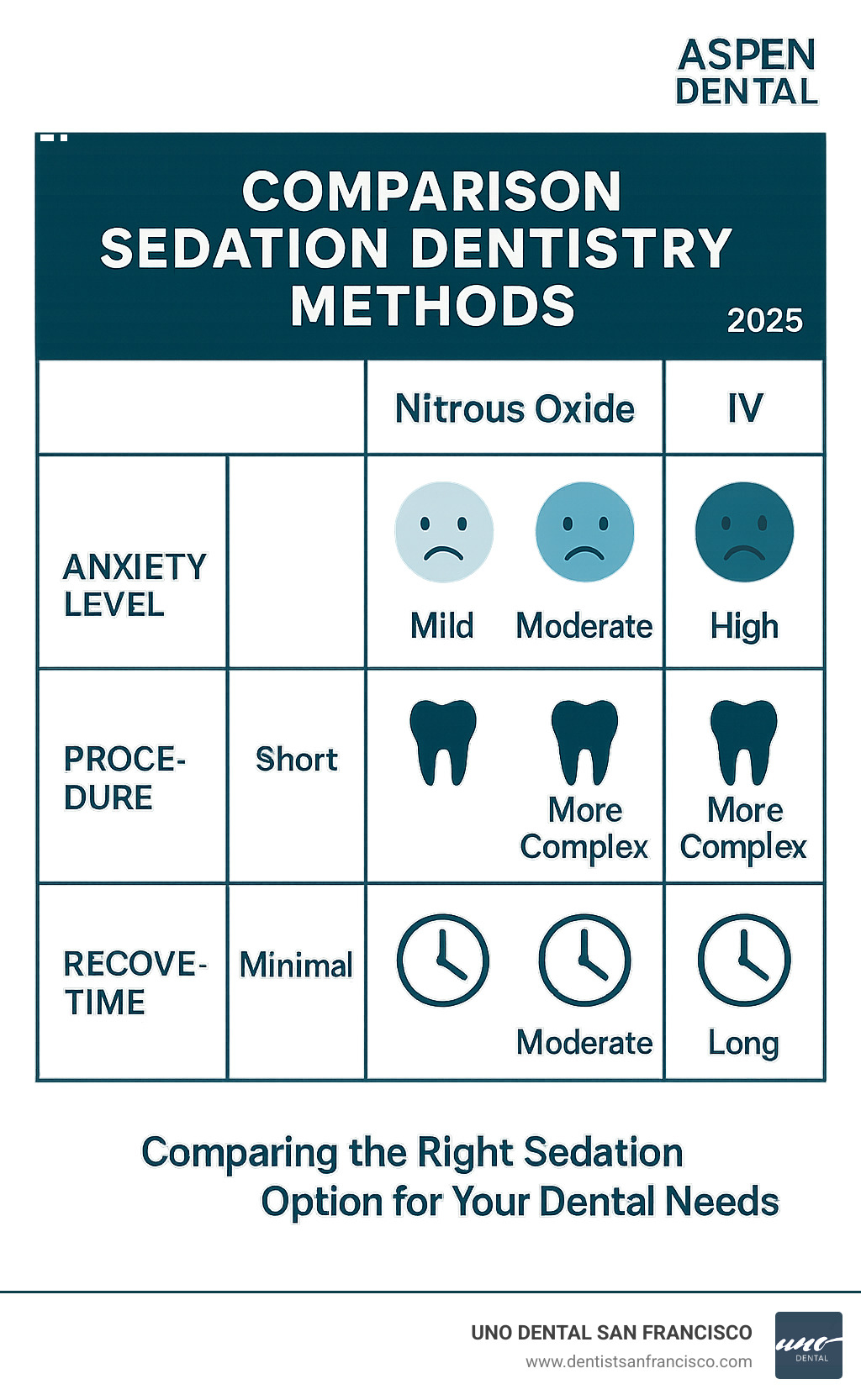
What should a patient consider when choosing a sedation option?
Several factors come into play when creating your personalized comfort plan:
- Anxiety level: For mild nervousness, nitrous oxide may be sufficient. For more significant fear, oral or IV sedation provides deeper relaxation.
- Procedure length and complexity: Simple procedures may only need light sedation, while complex treatments like root canals often benefit from a stronger option.
- Personal health history: Your medical conditions, medications, and allergies are crucial for determining which sedatives are safe for you.
- Recovery time needed: Nitrous oxide allows for a quick return to daily activities. Oral and IV sedation require more downtime and a driver to take you home.
- Cost and insurance coverage: It's important to discuss the costs of different options and what your insurance may cover.
What is the process for determining the right sedation option for a patient?
Determining your ideal sedation option is a step-by-step process:
- Initial Consultation: We listen to your concerns, past experiences, and what would make you feel most comfortable.
- Comprehensive Oral Exam: We assess your dental needs to understand the complexity and duration of your required treatment.
- Medical History Discussion: We review your health background to identify the safest and most appropriate sedation methods for you.
- Dentist's Recommendation: We explain the suitable options, including their benefits and potential side effects.
- Shared Decision-Making: We work together to choose the solution that feels right to you. This is your care journey, and you should feel confident and in control.
Frequently Asked Questions About Sedation Dentistry
We're here to provide clear answers to your questions about sedation dentistry. Educating our patients is key to a comfortable experience.

How does sedation dentistry help manage patient anxiety during procedures?
Sedation dentistry works by calming your nervous system, which helps manage the body's "fight or flight" response to anxiety. It reduces your awareness of sights and sounds that might be triggers, like the whir of dental instruments. The medications create a deeply relaxed state where time seems to pass quickly, allowing your dentist to work more efficiently. This calm state also helps local anesthetics work more effectively, preventing pain signals and ensuring a more comfortable experience.
What are the main benefits of sedation dentistry for patients?
The primary benefits include:
- Overcoming fear: It helps patients who have avoided dental care for years finally get the treatment they need.
- Efficiency: It often allows for multiple procedures in one visit, saving you time and reducing the stress of several appointments.
- Comfort: It provides a pain-free experience by enhancing the effectiveness of local anesthetics and reducing awareness of the procedure.
- Positive associations: It helps replace memories of stress with a manageable, even pleasant, experience, encouraging regular dental care.
- Gag reflex control: Sedation can suppress an overactive gag reflex, making treatment more tolerable.
Can I drive home after being sedated?
This depends entirely on the type of sedation you receive.
- With nitrous oxide (laughing gas), you can almost always drive home. The effects wear off within minutes of the mask being removed.
- With oral sedation or IV sedation, driving is not safe. The medications impair your reflexes and judgment for several hours. You must arrange for a responsible adult to drive you home and stay with you until the effects have fully worn off.
We will always discuss these transportation requirements during your consultation to ensure your safety.
Your Path to Comfortable Dental Care in San Francisco
If you've been wondering about sedation options because you're looking for comfortable, anxiety-free dental care, you're not alone. Here in San Francisco, we understand that dental fear is a common concern, and we're committed to changing that experience.
At UNO DENTAL, we believe that overcoming dental fear is the foundation of lifelong oral health. Our patient-centered approach means we take the time to understand your unique concerns. Whether you have mild nervousness or have avoided dental care for years, we're here to help you reclaim your oral health in a comfortable environment.
Our blend of high-tech dentistry and a holistic approach ensures every aspect of your care is considered. We create an individualized treatment plan that works for you by understanding your medical history, anxiety triggers, and personal preferences.
We provide comprehensive care under one roof, from routine cleanings to complex procedures. We also offer free virtual smile consultations, allowing you to explore sedation options from the comfort of your home before your visit.
Our goal is to transform your dental experience from something you dread into something manageable. Don't let fear prevent you from achieving the healthy smile you deserve. We are passionate about helping San Francisco residents experience compassionate, expert dental care.