
Why Choosing the Right Dental Implants Specialist Matters
A dental implants specialist is a trained clinician who replaces missing teeth with titanium posts that fuse with your jawbone, restoring both function and appearance. At UNO DENTAL SAN FRANCISCO, we provide these advanced restorative solutions alongside comprehensive oral care, all under one roof.
Key Qualifications of a Dental Implants Specialist:
- Board certification from recognized organizations like the American Board of Oral Implantology (ABOI)
- Specialized training in implantology, oral surgery, periodontics, or prosthodontics
- Advanced technology including CBCT scans, 3D planning, and guided surgical tools
- Proven experience with success rates typically over 95-98%
- Comprehensive approach to complex cases involving bone grafting or full-arch restoration
While the health benefits of a functional smile—including improved nutrition and systemic health—are well-documented, the success of the procedure depends heavily on the provider's expertise. A dental implant is a surgical procedure that involves placing a metal post into your jawbone. The entire process can take six to 12 months from consultation to final restoration. Choosing a specialist with the right training is essential to avoid complications or failed integration.
With the right specialist, 98% of patients are candidates for implants, and the procedure has become remarkably predictable. Modern techniques like same-day implants and minimally invasive approaches have transformed the experience. Many patients report minimal discomfort, often rated as low as 2.5 on a scale of 1-10 the day after surgery.
This guide will walk you through everything you need to know: how to identify qualified specialists, what questions to ask during consultations, what the procedure actually involves, and how to ensure long-term success.
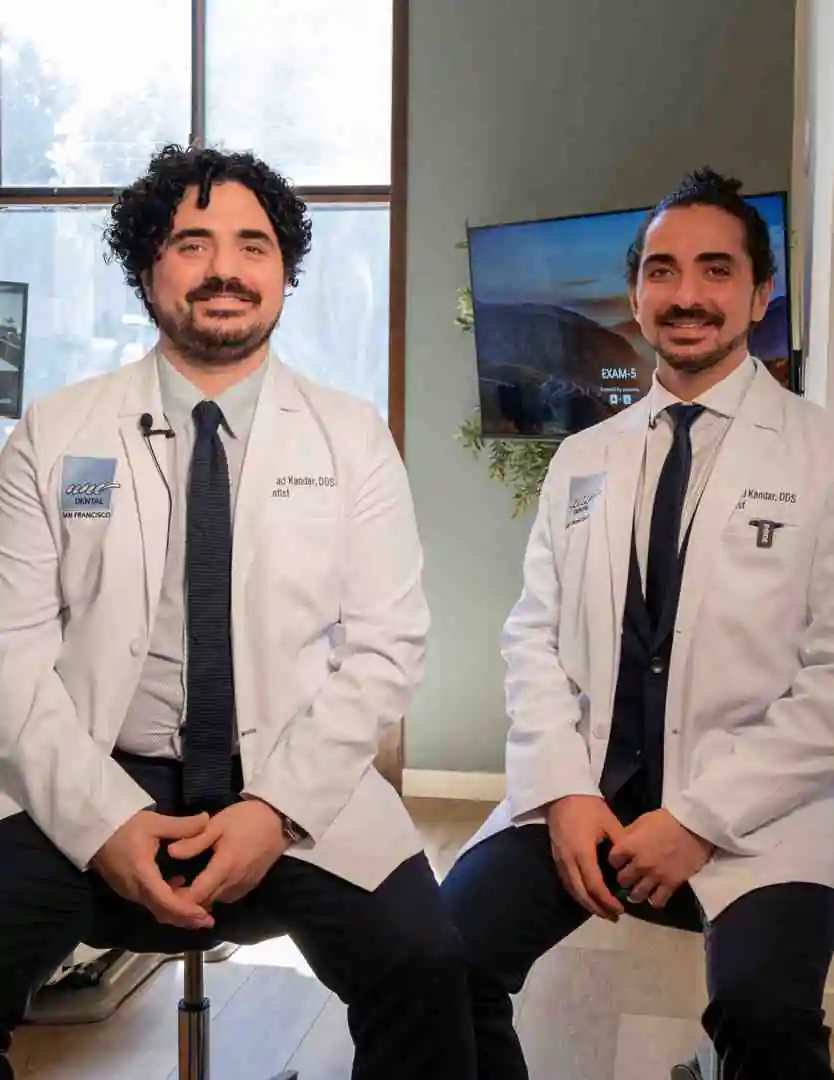
As Mohammad Aghiad Kandar, DDS at UNO DENTAL SAN FRANCISCO, I've spent over 15 years in dentistry with specialized training from UCSF, helping patients steer complex restorative cases. My focus as a dental implants specialist is on personalized treatment plans that combine advanced technology with compassionate, patient-centered care.
Learn more about dental implants specialist:
What Defines a Qualified Dental Implants Specialist?
In dentistry, many practitioners offer implants, but a true dental implants specialist has gone through rigorous additional training. When we talk about a specialist, we are usually referring to one of four types of professionals:
- Oral and Maxillofacial Surgeons: Experts in the hard and soft tissues of the face and jaw.
- Periodontists: Specialists who focus on the supporting structures of the teeth, including the gums and bone.
- Prosthodontists: Experts in restoring and replacing teeth, focusing on the final aesthetic and functional result.
- Board-Certified Implantologists: Dentists who have achieved ABOI diplomate status. The American Board of Oral Implantology (ABOI) has 628 diplomates nationwide, including 17 Oral and Maxillofacial Surgeons who have specifically proven their expertise in this field.
Choosing a dentist specializing in implants ensures that you are working with someone who understands the biological complexities of the jaw. This isn't just about "screwing in a post"; it's about the intricate dance between titanium and living bone.
Why You Need a Dental Implants Specialist for Complex Cases
While a single tooth replacement might seem straightforward, many patients require more advanced care. If you have been missing teeth for a long time, you may have experienced bone resorption—where the jawbone shrinks because it no longer has a tooth root to stimulate it.
In these cases, a specialist is essential for:
- Bone Grafting: Adding volume to your jawbone using natural or synthetic materials.
- Sinus Lifts: Carefully lifting the sinus membrane to make room for implants in the upper jaw.
- Nerve Mapping: Using advanced imaging to ensure the implant never touches sensitive facial nerves.
- Multi-Specialty Collaboration: Coordinating with other healthcare providers, especially for patients with complex medical histories like diabetes or those who have undergone radiation therapy.
For more resources on navigating these complexities, The Dental Implant Guide offers excellent third-party educational materials.
Questions to Ask Your Dental Implants Specialist
Don't be shy during your consultation! A reputable specialist expects and welcomes questions. Here is what we recommend asking to ensure you're in the right hands:
- What is your personal success rate? (Top specialists typically maintain a rate of 95-98%).
- How many years of experience do you have? Experience matters, especially for complex full-mouth cases.
- Do you use a fully digital workflow? This includes CBCT scans and 3D-printed surgical guides.
- Can I see a before-and-after gallery? Seeing real results from previous patients is the best way to gauge their skill.
For a deeper dive into vetting your provider, check out our guide to choosing an experienced implant dentist.
Navigating the Dental Implant Procedure Step-by-Step
Understanding the timeline helps manage expectations. While "teeth-in-a-day" is a popular term, the biological process of healing takes time.
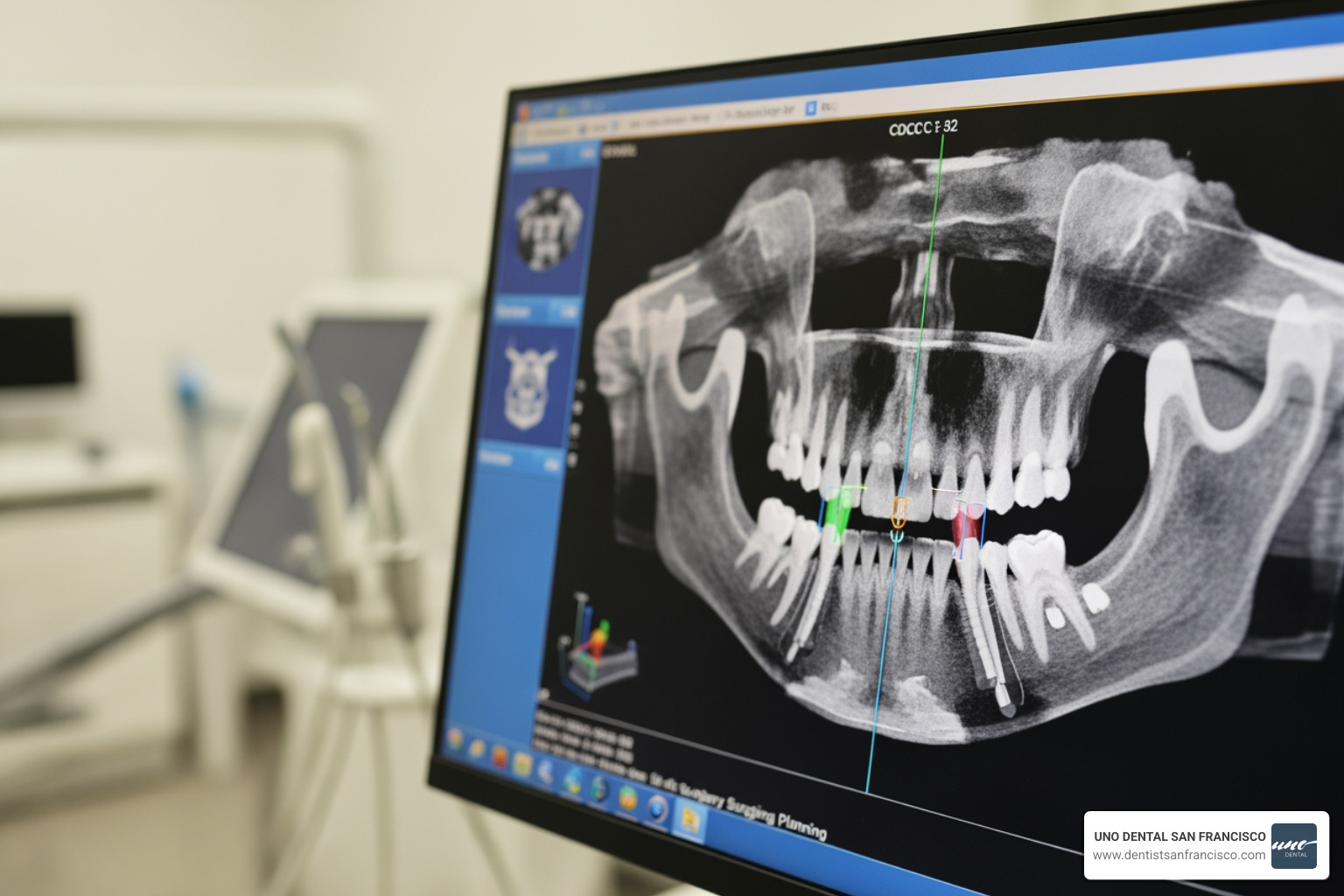
- Initial Consultation: We perform a comprehensive exam, including 3D imaging (CBCT scans), to assess your bone density and health history.
- Tooth Extraction (If Needed): If a damaged tooth is still present, it is removed. Sometimes, we can place the implant immediately; other times, we wait for the site to heal.
- Bone Grafting: If your jaw is too thin, a graft is placed. This typically requires about three months of healing.
- Implant Placement: The titanium post is surgically placed into the bone. This procedure is surprisingly quick, often taking only 15 to 20 minutes for a single implant.
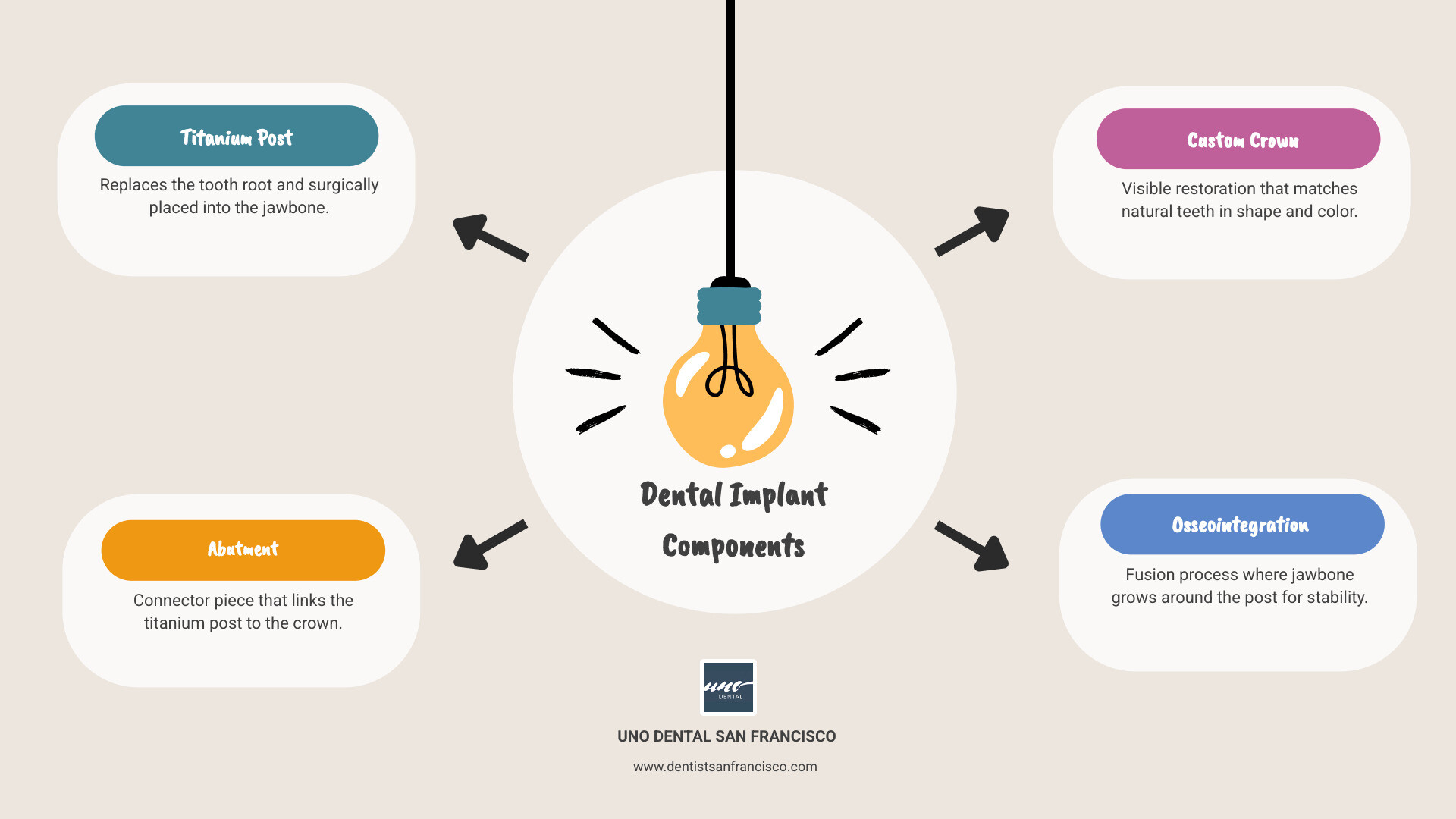
- Osseointegration: This is the "magic" phase. Over 3 to 6 months, your bone actually fuses with the titanium post.
- Abutment Placement: A small connector piece is attached to the post.
- Final Crown: Once the gums have healed (about two weeks after the abutment), your custom-made tooth is attached.
For a more clinical look at the surgery, you can review the Mayo Clinic's overview, or read our detailed full-mouth implant procedure guide.
Recovery Timeline and Aftercare Tips
Recovery is often much easier than patients anticipate. Most people return to work within a day or two.
- The First 24 Hours: You may experience slight swelling. Use ice packs and take prescribed or over-the-counter pain relievers.
- Diet: Stick to a soft food diet (smoothies, yogurt, creamy soups) for at least the first three days. Avoid hot liquids and straws, which can disturb the surgical site.
- Oral Hygiene: Continue brushing your other teeth, but be very gentle around the implant site. We may provide a special antimicrobial rinse.
For a comprehensive list of what to expect during your downtime, visit our recovery tips for dental implants.
Long-Term Maintenance for Implant Success
Implants cannot get cavities, but the gum tissue around them can still get infected (a condition called peri-implantitis). To keep your "forever smile" healthy:
- Professional Cleanings: Visit us at UNO DENTAL twice a year. We use special instruments that won't scratch the titanium.
- Non-Abrasive Toothpaste: Avoid "whitening" pastes that are too gritty.
- Flossing: Use specialized implant floss or a water flosser to clean the hard-to-reach areas under the crown.
Maintaining your oral health is the best way to protect your investment. Learn more about how to maintain your dental implants.
Advanced Technology and Same-Day Solutions
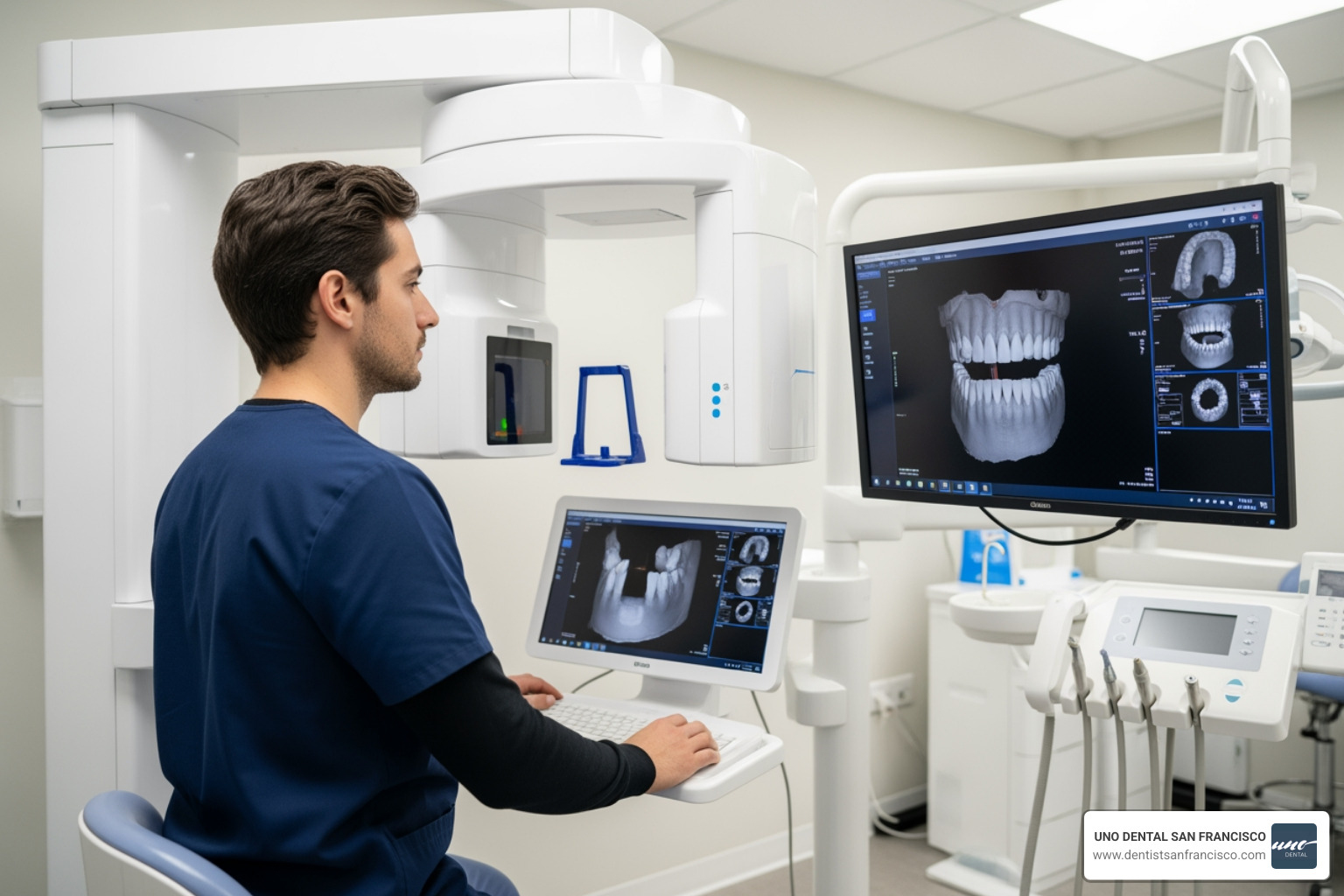
Modern dentistry has moved away from the "guesswork" of the past. Today, we use state-of-the-art tools to ensure every implant is placed with sub-millimeter precision.
The Benefits of Same-Day Implants
At UNO DENTAL, we use Guided Surgery. This means we use a 3D printer to create a custom "map" for your mouth. This allows for:
- Immediate Function: In many cases, you can leave with a temporary tooth the same day.
- Reduced Appointments: Digital impressions replace messy putty molds, saving you time.
- Aesthetic Confidence: You never have to spend a day with a gap in your smile.
If you're looking for efficiency, explore our same-day dental implant guide or learn about affordable same-day implants.
Full-Arch Restoration and All-on-4 Techniques
For patients missing all their teeth in an arch, we offer All-on-4. This technique uses just four strategically placed implants to support a full bridge of permanent teeth. It is a game-changer for those who struggle with loose dentures.
Check out our complete guide to All-on-4 in San Francisco to see if this minimally invasive solution is right for you.
Assessing Candidacy, Costs, and Long-Term Success
Are you a candidate? Most likely, yes! Even if you have bone loss or health issues like controlled diabetes, 98% of patients who come for a consultation are eligible for some form of implant treatment.
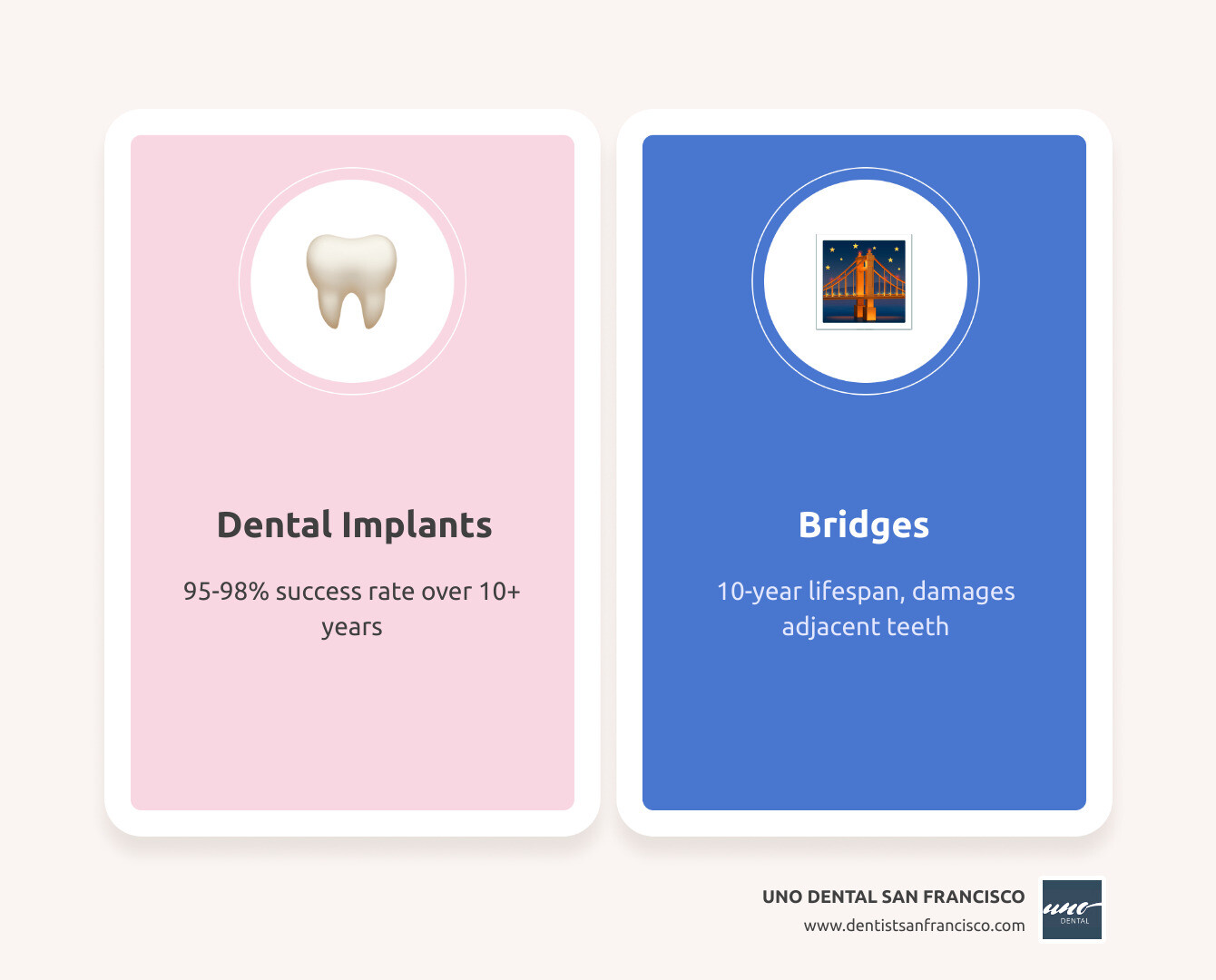
| Feature | Dental Implants | Dental Bridge | Traditional Dentures |
|---|---|---|---|
| Longevity | 25+ Years (Lifetime) | 7–15 Years | 5–10 Years |
| Bone Health | Prevents Bone Loss | Does Not Prevent Loss | Accelerates Bone Loss |
| Maintenance | Brush/Floss like natural | Special flossing needed | Must remove and soak |
| Cost | Higher upfront | Moderate | Lower upfront |
Understanding the Investment and Insurance
We understand that cost is a major factor. While implants are a higher upfront investment, they are often cheaper in the long run because they never need to be replaced.
- Insurance: Many plans, like Delta Dental, now offer coverage for a portion of the procedure. We recommend getting a pre-treatment estimate to avoid surprises. You can find a Delta Dental provider or use our tools to estimate your dental implant expenses.
- Financing: We offer various payment plans to make this life-changing care accessible. See our comprehensive guide to dental implant costs for more details.
Factors Influencing Implant Longevity
To maintain that 95-98% success rate, your lifestyle choices matter:
- Smoking Cessation: Smoking significantly increases the risk of implant failure because it restricts blood flow to the gums.
- Systemic Health: Keeping conditions like diabetes under control is vital for healing.
- Hygiene: As mentioned, regular checkups are non-negotiable.
The benefits of dental implants in San Francisco go beyond just a pretty smile—they preserve your facial structure and your ability to eat a healthy, varied diet.
Frequently Asked Questions about Dental Implants
Does the dental implant procedure hurt?
Not during the surgery! We use local anesthesia or sedation to ensure you are completely comfortable. Most patients describe the feeling as "pressure" rather than pain. As noted earlier, the average discomfort level the next day is only a 2.5 out of 10.
How long do dental implants last?
When placed by a qualified dental implants specialist and maintained well, they are designed to be a permanent solution. While the crown might need replacement after 15-20 years due to normal wear, the titanium post should last a lifetime.
Am I too old for dental implants?
Age is rarely a factor; health is. We have successfully placed implants for patients in their 80s and 90s. As long as you have sufficient bone density (or are a candidate for grafting) and are healthy enough for a minor surgical procedure, you can enjoy the improved quality of life that implants provide.
Conclusion
At UNO DENTAL SAN FRANCISCO, we provide a holistic, high-tech experience centered entirely around your long-term oral health. By offering individualized treatment plans and advanced restorative care all under one roof, we help make your journey to a restored smile as efficient and stress-free as possible.
Ready to take the first step toward a permanent solution for missing teeth? We offer free virtual smile consultations so you can receive expert guidance from the comfort of your home.
Schedule your consultation with a San Francisco specialist today and rediscover the confidence that comes with a healthy, beautiful smile.
Manual review completed: y