

Red Wine Woes? Your Ultimate Guide to Stain-Free Living
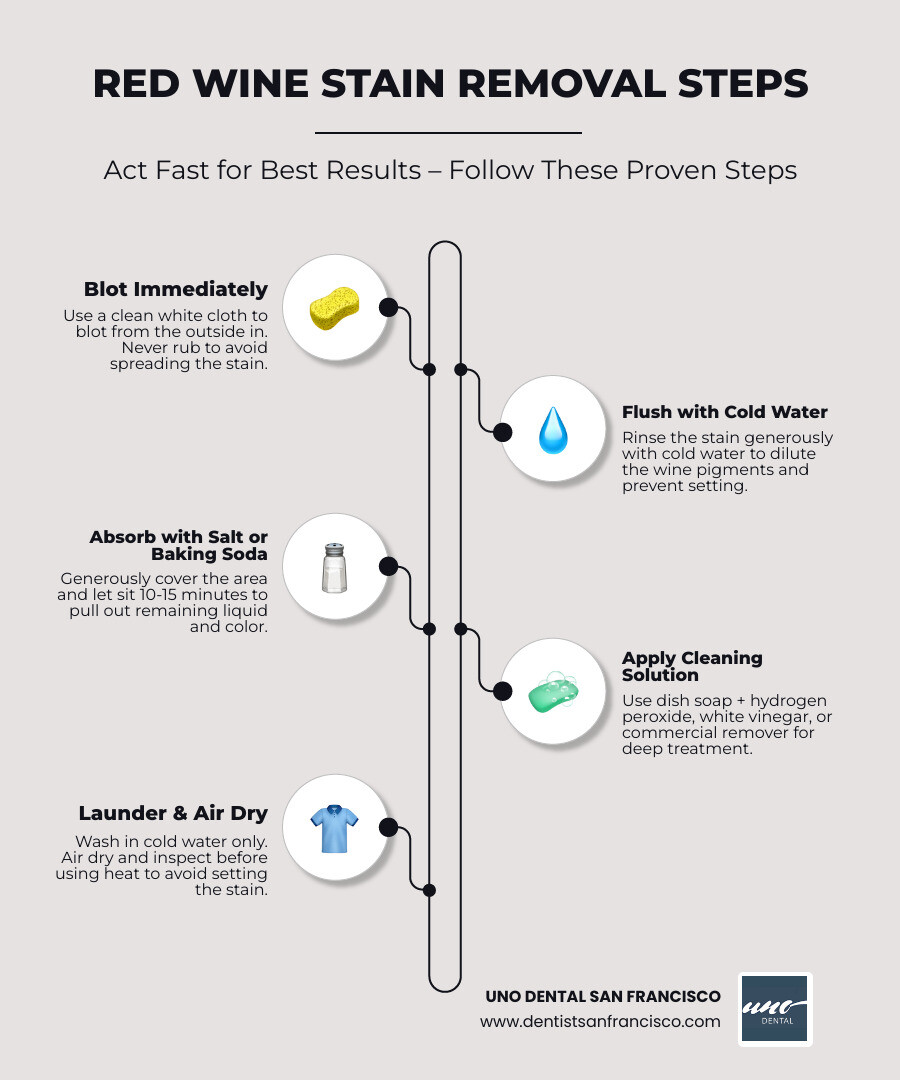
Red wine stain removal works best when you act immediately. Here's a quick overview of what to do:
- Blot the stain right away with a clean white cloth — don't rub
- Flush with cold water to dilute the wine
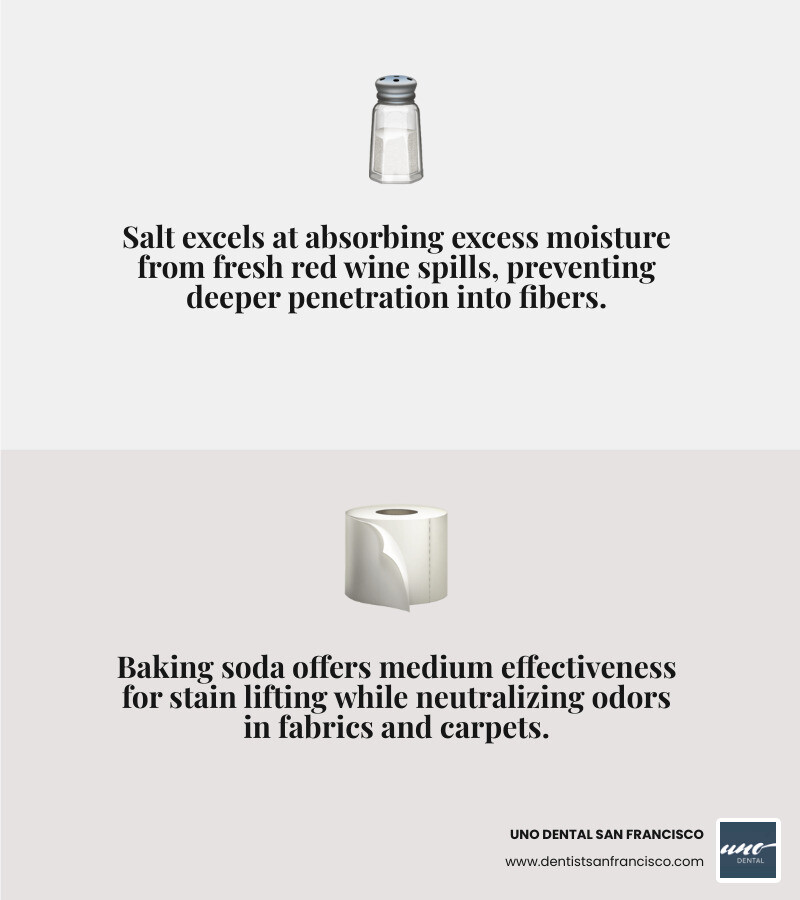
- Apply salt, baking soda, or club soda to absorb the liquid
- Treat with a cleaning solution (dish soap + hydrogen peroxide, white vinegar, or a commercial remover)
- Launder in cold water and air dry — never use heat until the stain is fully gone
We've all been there. One wrong move at the dinner table and a glass of red wine ends up on your favorite white shirt — or worse, the carpet. It's one of those moments that sends a wave of panic through the room.
And that panic makes sense. Red wine is notoriously difficult to remove. Its deep color comes from natural compounds in grapes called chromogens and tannins — the same properties that make red wine rich and complex also make it act almost like a dye when it hits fabric or other porous surfaces.
The good news? Most red wine stains are completely removable — if you know what to do.
This guide walks you through everything: from the first seconds after a spill to tackling dried, set-in stains on clothing, carpet, upholstery, and hard surfaces.
As Mohammad Aghiad Kandar, DDS at UNO DENTAL SAN FRANCISCO, I see the effects of red wine up close every day — including its impact on tooth enamel — which gives me a unique perspective on red wine stain removal both on fabrics and on your smile. Let's start with the basics and work our way up to the toughest stains.
Red wine doesn't just stain your fabrics — it can also affect your smile. Learn more about keeping your teeth bright with these related guides:
The Science of Why Red Wine Stains Are So Stubborn
To defeat an enemy, we must first understand it. Red wine isn't just a liquid; it’s a complex chemical cocktail designed by nature to leave a mark. The primary culprits are tannins, which are bitter, astringent compounds found in grape skins. In textiles, tannins act as a natural mordant—a substance used to set dyes.
Accompanying the tannins are chromogens. These are highly pigmented molecules that give red wine its vibrant ruby or purple hue. When these two meet a porous surface—like the cotton fibers of your shirt or the nylon of your carpet—they don't just sit on top. They penetrate the fibers and "bond" with them.
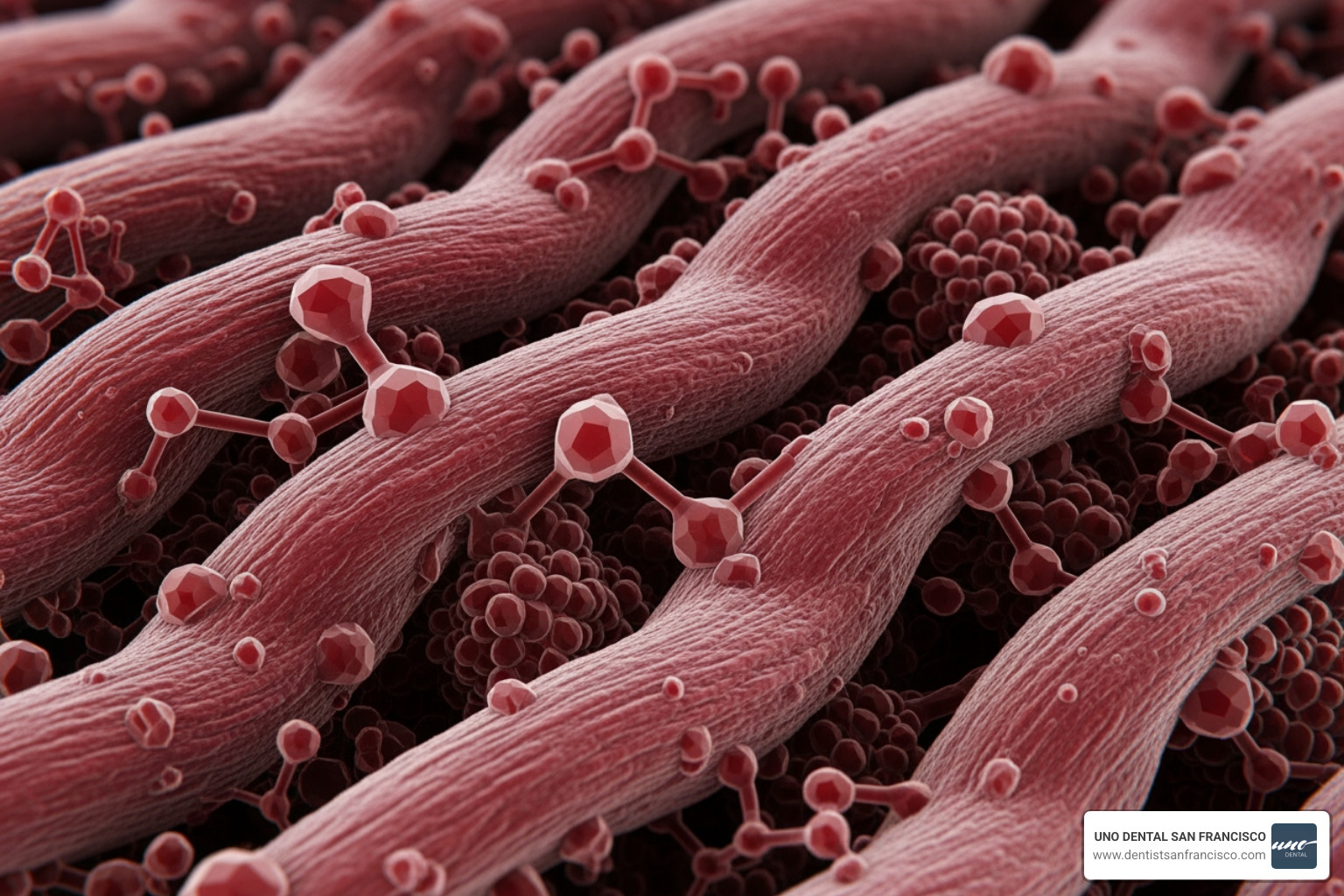
Because red wine is an organic stain, it is susceptible to oxidation (which is why bleach works) and enzyme breakdown. However, if the liquid is allowed to dry, the tannins "set" the chromogens into the fiber, making the bond much stronger. This is why a fresh spill is a minor inconvenience, but a dried spill is a project.
The Golden Rules of Red Wine Stain Removal
Before we dive into specific recipes, we must establish the "Laws of the Laundry Room." If you follow these, your success rate will skyrocket.
- Blot, Never Scrub: This is the most important rule. Scrubbing pushes the wine deeper into the fibers and can fray the fabric, creating a permanent "fuzzy" spot where the stain used to be.
- Use Cold Water: Hot water can "cook" the proteins and tannins into the fabric, setting the stain permanently. Always start with cold.
- Act Fast: The longer those chromogens sit, the more time they have to find a permanent home in your carpet or clothing.
- Test First: Always test your cleaning solution on an inconspicuous area (like an inside seam or a corner of the rug under the sofa) to ensure it doesn't cause discoloration.
First Steps for Fresh Spills
The moment the wine hits the floor, grab a clean white cloth or paper towel. Using a colored cloth can result in "dye transfer," where the color of the rag ends up on your white rug. Apply firm, steady pressure. Work from the outside of the spill toward the center. This prevents the wine from spreading outward and creating a larger "halo" effect.
Red Wine Stain Removal for Delicate Fabrics
Not all fabrics are created equal. While a cotton t-shirt can handle a bit of rougher treatment, materials like silk and wool require a gentle touch.
- Silk: Silk is highly sensitive to pH changes. Avoid using heavy detergents or vinegar. Instead, blot the area and consider taking it to a professional. If you must try it at home, use a very diluted, silk-safe detergent.
- Wool: Wool is absorbent and can shrink if treated with hot water. Use a specialized wool wash and cool water.
- Synthetics (Polyester/Nylon): These are generally more resilient. You can use club soda or a dish soap mixture quite effectively here.
For those interested in maintaining their overall aesthetic, coffee stain removal tips often follow similar "gentle-first" principles, especially when dealing with high-end fabrics or even how to clean stained teeth after a long day of sipping.
Proven Household and Professional Remedies
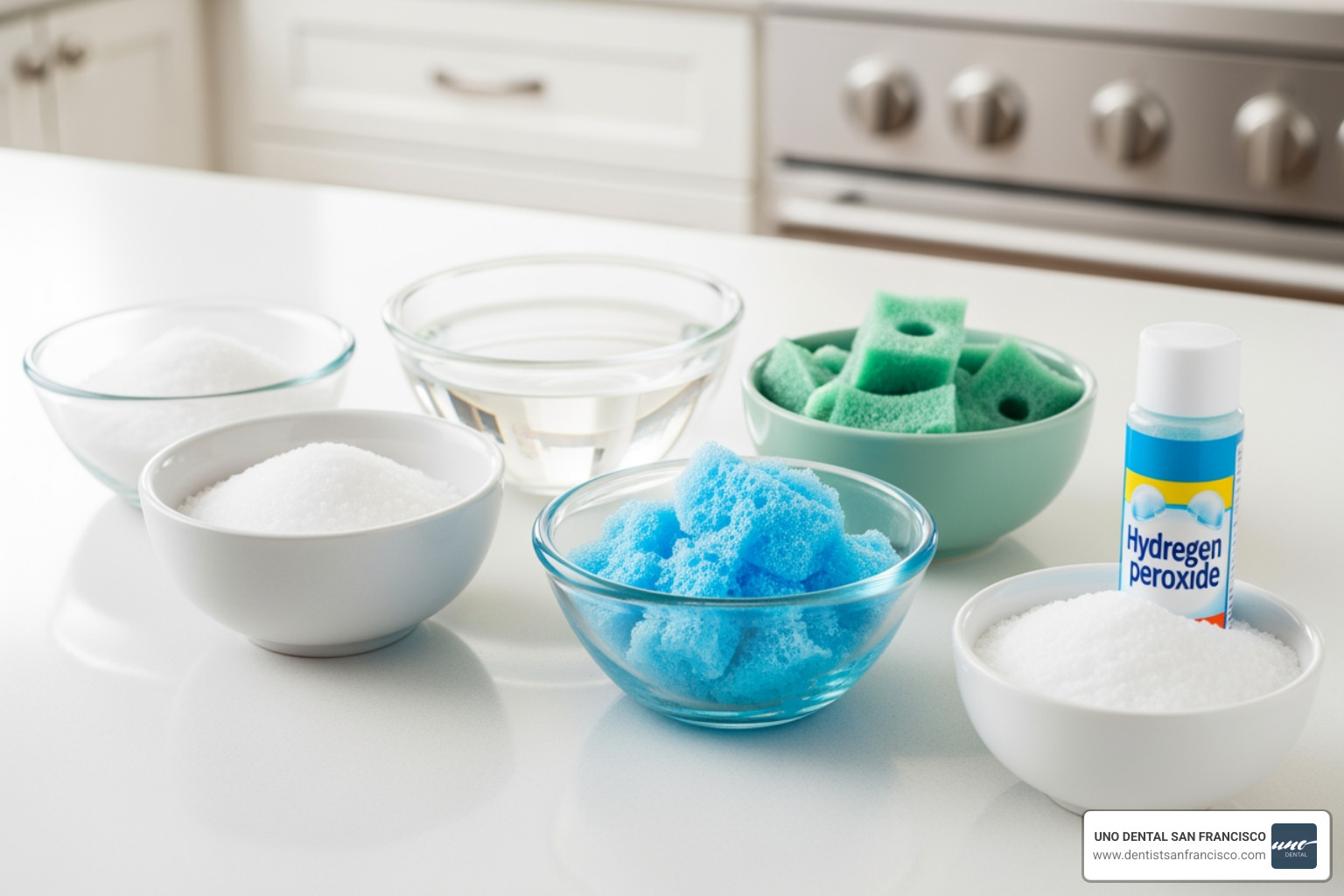
You likely already have the best red wine stain removal tools in your pantry.
- The Hydrogen Peroxide & Dish Soap Mix: This is often called the "Magic Formula." Mix one part dish soap with two parts hydrogen peroxide. The soap lifts the stain while the peroxide—a mild bleaching agent—breaks down the color. Note: Only use this on light-colored fabrics, as peroxide can bleach dark colors.
- The Boiling Water Method: This works wonders for sturdy fabrics like tablecloths. Stretch the stained fabric taut over a large bowl in the sink (secure it with a rubber band). From about a foot above, pour boiling water directly through the stain. The force and heat (used only in this specific "flushing" context) can push the wine right out of the fibers.
- Club Soda: The bubbles in club soda help lift the wine to the surface. It’s a great "first responder" at a party.
For those who prefer a ready-made solution, commercial enzyme-based stain removers are highly effective at breaking down the organic matter in the wine.
Expert-Recommended Red Wine Stain Removal Method
Cleaning experts suggest an elaborate but highly effective 6-step process.
- Spray with a dishwashing-soap solution (1 tbsp soap to 10 oz water).
- Tamp with a soft-bristled brush (tap, don't scrub).
- Flush with water.
- Apply Vinegar: Let it sit for a few minutes to break down the tannins.
- Use Ammonia: If the stain persists, a drop or two of ammonia can help (never mix ammonia with bleach!).
- Enzyme Detergent: Finally, launder with an enzyme-heavy detergent, which contains proteases to break down the wine's organic components.
Treating Old or Set-In Stains
If you discovered a stain the morning after (or weeks later), don't give up. The key to removing old stains is rehydration.
- Glycerin: Rubbing a bit of glycerin onto a dried stain can help loosen the dried wine particles.
- Shaving Cream: Believe it or not, the foam in shaving cream can help lift dried wine from carpet fibers.
- Oxygen Bleach: Soak the garment in a mixture of warm water and oxygen-based bleach for several hours or overnight before laundering.
Surface-Specific Strategies: Carpets, Upholstery, and Hardwood
When wine hits a surface you can't throw in the washing machine, the stakes feel higher.
- Carpet: The biggest danger here is the carpet pad. If wine soaks through the carpet into the foam pad below, the smell can linger for years. Use a wet-vac if possible to extract as much liquid as you can. If you don't have one, use the "weighted towel" method: place a clean white towel over the blotted area and put a heavy book on top for several hours to wick up the deep moisture.
- Upholstery: Most couches have a cleaning code (W, S, or S/W). Check this before applying water. For "W" (Water-based) fabrics, use the dish soap and peroxide mix. For leather, use a specialized leather cleaner and follow up with a leather conditioner to prevent drying.
- Hardwood and Countertops: On wood, wipe up immediately. If a stain remains, a paste of baking soda and water can gently lift the color without stripping the finish. For stone countertops, be careful with vinegar as the acid can etch the stone.

If you find that your home is finally stain-free but your smile isn't, you might want to look into how to get rid of coffee stains on teeth or wine discoloration.
Frequently Asked Questions about Red Wine Stain Removal
Does white wine remove red wine stains?
This is a popular "party hack," but the truth is mixed. White wine can help dilute the red wine and keep the stain from setting, much like water or club soda. However, white wine contains its own sugars and acids that can eventually turn yellow or brown if not cleaned out properly. Use it only as a last resort if no water or salt is available.
Can I remove a stain after it has been through the dryer?
The heat of a dryer acts as a "setter" for stains. It’s significantly harder to remove a stain once it has been baked in. However, it’s not always impossible. Try a long soak in an enzyme-based cleaner or a professional-grade oxygen bleach. You may need to repeat the process 3–4 times.
How do I get red wine stains off my teeth?
Red wine is highly acidic, which can temporarily soften your tooth enamel and allow those purple chromogens to latch on.
- Don't brush immediately: Because the enamel is softened by the wine's acidity, brushing right away can actually scrub the stains deeper or wear down the enamel.
- Rinse with water: Drink water alongside your wine to wash away the pigments.
- Fiber-rich foods: Eating cheese or crunchy vegetables while drinking can help "scrub" the teeth naturally.
If the stains are persistent, professional help is the best route. At UNO DENTAL SAN FRANCISCO, we offer advanced professional teeth whitening in San Francisco that can lift years of wine and coffee discoloration in a single visit.
Conclusion: Mastering Red Wine Stain Removal
Red wine is one of life's great pleasures, and a little spill shouldn't ruin your evening. By acting fast, blotting correctly, and using the right household catalysts, you can handle almost any "red alert" situation.
The same principles of care and maintenance apply to your home as they do to your health. Whether you are looking to get rid of coffee stains on teeth or save your favorite linen tablecloth, the secret to effective red wine stain removal is a combination of the right science and a bit of patience.
At UNO DENTAL SAN FRANCISCO, we believe in a holistic approach to care. We want you to enjoy your favorite vintages without worrying about the "red wine smile" the next morning. If you've tried the home remedies and your teeth still show the signs of wine and coffee discoloration, our team can help with individualized treatment planning and free virtual smile consultations.
Ready to brighten your smile? Book your consultation with UNO DENTAL today.