

Why Holistic Oral Health Matters for Your Whole-Body Wellness
Holistic Oral Health is a comprehensive approach to dental care that recognizes the powerful connection between your mouth and your overall health. Rather than focusing solely on treating teeth and gums in isolation, this philosophy considers how oral health impacts-and is impacted by-your entire body, from cardiovascular health to immune function.
Quick Overview: What You Need to Know
- Definition: Holistic oral health treats dental care as an integral part of physical, emotional, and mental well-being
- Key Difference: Addresses root causes of dental issues (inflammation, nutrition, lifestyle) rather than just symptoms
- Core Principles: Uses biocompatible materials, minimally invasive techniques, and emphasizes prevention
- Health Connections: Links oral health to heart disease, diabetes, respiratory infections, and cognitive function
- Treatment Focus: Mercury-free fillings, fluoride alternatives, laser dentistry, ozone therapy, and personalized nutrition guidance
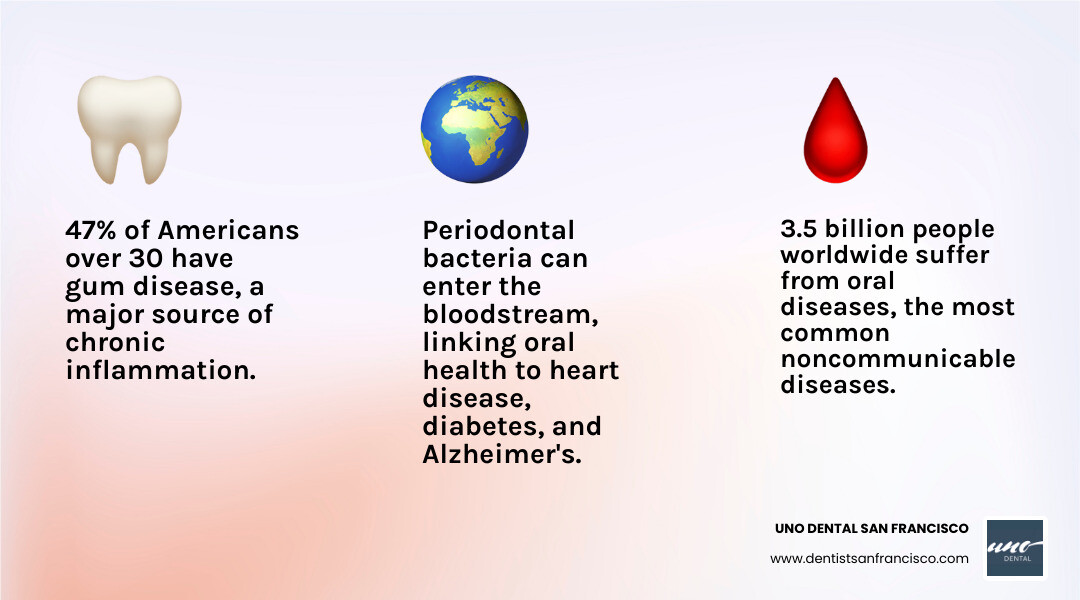
Your mouth isn't just a collection of teeth-it's a gateway to your body. Research shows that more than 3.5 billion people worldwide suffer from oral diseases, with a global prevalence of 45%. Even more striking, the mouth acts as both a window and a gateway to systemic health, where chronic oral inflammation can trigger or worsen conditions like cardiovascular disease, diabetes, and even Alzheimer's disease.
The concept is simple yet profound: inflammation is the root of most dental health problems, and this inflammation doesn't stay confined to your mouth. When harmful bacteria from periodontal disease enter your bloodstream through inflamed gum tissue, they can travel throughout your body, contributing to chronic health conditions. This bidirectional relationship means that improving your oral health can boost your overall wellness-and vice versa.
Traditional dentistry often takes a "drill and fill" approach, treating symptoms as they appear. Holistic oral health takes a different path. It asks why the problem occurred in the first place and addresses those underlying factors-whether that's diet, stress, sleep patterns, hormonal imbalances, or environmental toxins.
This approach has gained significant momentum in recent decades. About 50 percent of all dental offices in the United States are now mercury-free, reflecting a growing awareness of how dental materials and practices affect whole-body health. Organizations like the Holistic Dental Association (founded in 1978) and the International Academy of Oral Medicine and Toxicology have supported practitioners in this field for over 40 years.
But holistic oral health isn't just about avoiding certain materials. It's about embracing biocompatible alternatives, using minimally invasive techniques like laser dentistry and air abrasion, and integrating lifestyle factors like nutrition, stress management, and sleep hygiene into your dental care plan. It's about seeing you as a complete person, not just a set of teeth.
For busy professionals, this comprehensive approach offers real advantages. Free virtual smile consultations can help identify concerns early. Same-day treatments using advanced technology like CEREC crowns can minimize time away from work. And a focus on prevention helps reduce the likelihood of urgent visits while supporting better long-term outcomes.
The science backing this approach continues to grow. Studies demonstrate clear links between periodontal disease and cardiovascular events, between oral bacteria and diabetic complications, and between gum inflammation and cognitive decline. The mouth truly is a mirror of systemic health-and often the first place where disease manifests.
As Dr. Mohammad Aghiad Kandar at UNO DENTAL SAN FRANCISCO, I've dedicated my 15+ years of practice to integrating holistic oral health principles with cutting-edge technology and personalized care, helping patients understand how their oral health connects to their overall wellness goals. My training at UCSF and extensive continuing education in biocompatible materials, sedation dentistry, and preventive care allows me to offer comprehensive treatment plans that address both immediate dental needs and long-term whole-body health.
Explore more about our holistic approach:
Defining Holistic Oral Health and the Mouth-Body Connection
At its heart, Holistic Oral Health is based on the "ecosystem" model of the human body. We don't see the mouth as a separate compartment; we see it as the most complex microbiome in your body, second only to the gut. This oral microbiome contains billions of bacteria, and when it falls out of balance (a state called dysbiosis), the consequences ripple through your entire system.
The mouth-body connection is supported by extensive Scientific research on the mouth-body connection. When you have gum disease, your mouth becomes a reservoir for pro-inflammatory cytokines and pathogenic bacteria like Porphyromonas gingivalis. These don't just sit there; they hitch a ride in your bloodstream to your heart, brain, and major organs.
The Bidirectional Highway
The relationship is bidirectional. For example, chronic oral inflammation can worsen insulin resistance, making diabetes harder to manage. Conversely, poorly controlled blood sugar can impair the body's ability to fight off gum infections. This is why we take More info about holistic approach seriously—it’s about managing the whole person to achieve better outcomes in every area of health.
Who Should Consider Holistic Oral Health?
While everyone can benefit from a more comprehensive view of their health, certain individuals find this approach particularly life-changing:
- People with Chronic Illnesses: Those managing autoimmune disorders, cardiovascular disease, or diabetes often find that stabilizing their oral health reduces their overall systemic inflammatory load.
- Wellness Seekers: If you prioritize organic food, clean water, and non-toxic living, holistic dentistry aligns perfectly with your values by avoiding heavy metals and harsh chemicals.
- Individuals with Sensitivities: For patients who react to nickel, bisphenols (BPA), or other common dental materials, we use biocompatibility testing to ensure every material we place is safe for your specific immune system.
- Preventive-Minded Patients: If you’d rather prevent a cavity through nutrition and pH balance than drill one out later, you are a prime candidate for this philosophy.

Key Differences: Holistic vs. Traditional Dentistry
The main difference between traditional and holistic dentistry isn't necessarily what we do, but how and why we do it. Both rely on clinical excellence, but the philosophy of Holistic Oral Health expands the scope of care.
In traditional dentistry, the focus is often on the tooth as a mechanical object. If there is a hole, you fill it. If there is an infection, you remove the nerve. In our practice, we look at the tooth as a living organ connected to your meridians and systemic health. We ask: "Why did this tooth decay? Is it a nutritional deficiency? Is it mouth breathing during sleep? Is it a pH imbalance?"
| Feature | Traditional Dentistry | Holistic Oral Health |
|---|---|---|
| Primary Focus | Treating symptoms and oral disease | Treating the whole person and root causes |
| Materials | May use mercury amalgams or BPA resins | Mercury-free, BPA-free, biocompatible materials |
| Fluoride | Standard recommendation for all | Often avoided or replaced with natural minerals |
| Root Canals | Standard treatment for infected teeth | Evaluated carefully; may recommend extraction if toxic |
| X-Rays | Conventional film or standard digital | Ultra-low radiation digital X-rays (90% less radiation) |
| Nutrition | Rarely discussed in detail | Integral to the treatment plan |
For a deeper dive into these nuances, you can read More info about biological dentistry.
The Role of Nutrition in Holistic Oral Health
You truly are what you eat—and your teeth are the first to show it. In the holistic model, we view tooth decay not just as a lack of brushing, but as a sign of internal "starvation" or biochemical imbalance.
- Sugar and Acids: It's not just that sugar causes cavities; it’s that high-sugar diets pull minerals out of your teeth and bones to balance blood chemistry.
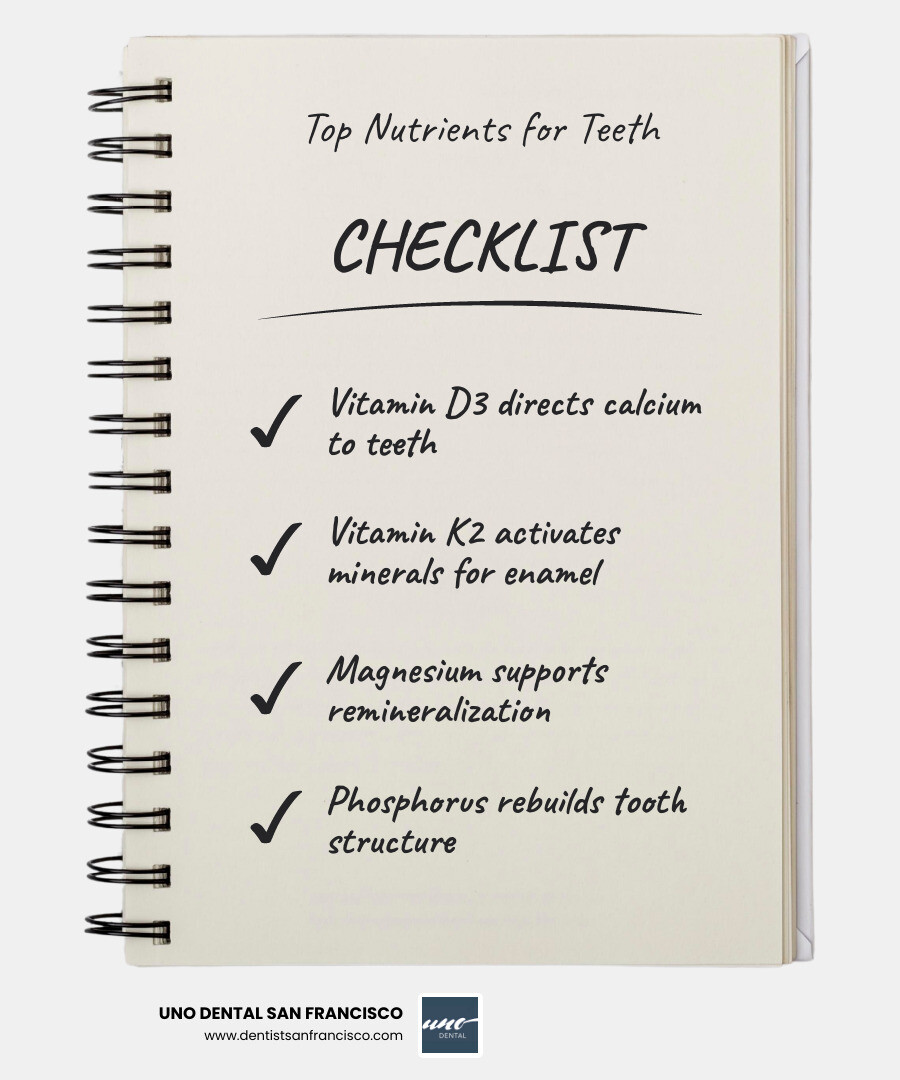
- Vitamin D3 and K2: These are the "traffic cops" for calcium. Without them, calcium can't reach your teeth and might end up in your arteries instead.
- Minerals: Magnesium, phosphorus, and trace minerals are essential for the remineralization of enamel.
- Microbiome Support: Fermented foods and probiotics help maintain a healthy balance of bacteria in the mouth, preventing the overgrowth of decay-causing strains.
Advanced Treatments and Biocompatible Materials
We leverage the latest technology to make Holistic Oral Health both effective and comfortable. Our goal is to preserve as much natural tooth structure as possible while using materials that your body loves.
Mercury-Free and Mercury-Safe
Mercury is a known neurotoxin. While the ADA maintains that amalgam is safe, we choose to be a mercury-free dentist. Furthermore, for patients who want their old "silver" fillings removed, we follow strict safety protocols (SMART) to ensure that neither the patient nor the staff inhales mercury vapor during the process. You can learn more about this by checking our guide on silver filling safety.
Fluoride Alternatives
Many of our patients are concerned about the systemic effects of fluoride. We offer alternatives like hydroxyapatite—the very mineral your teeth are made of—which can remineralize enamel without the potential toxicity of fluoride.
Ozone Therapy and Laser Dentistry
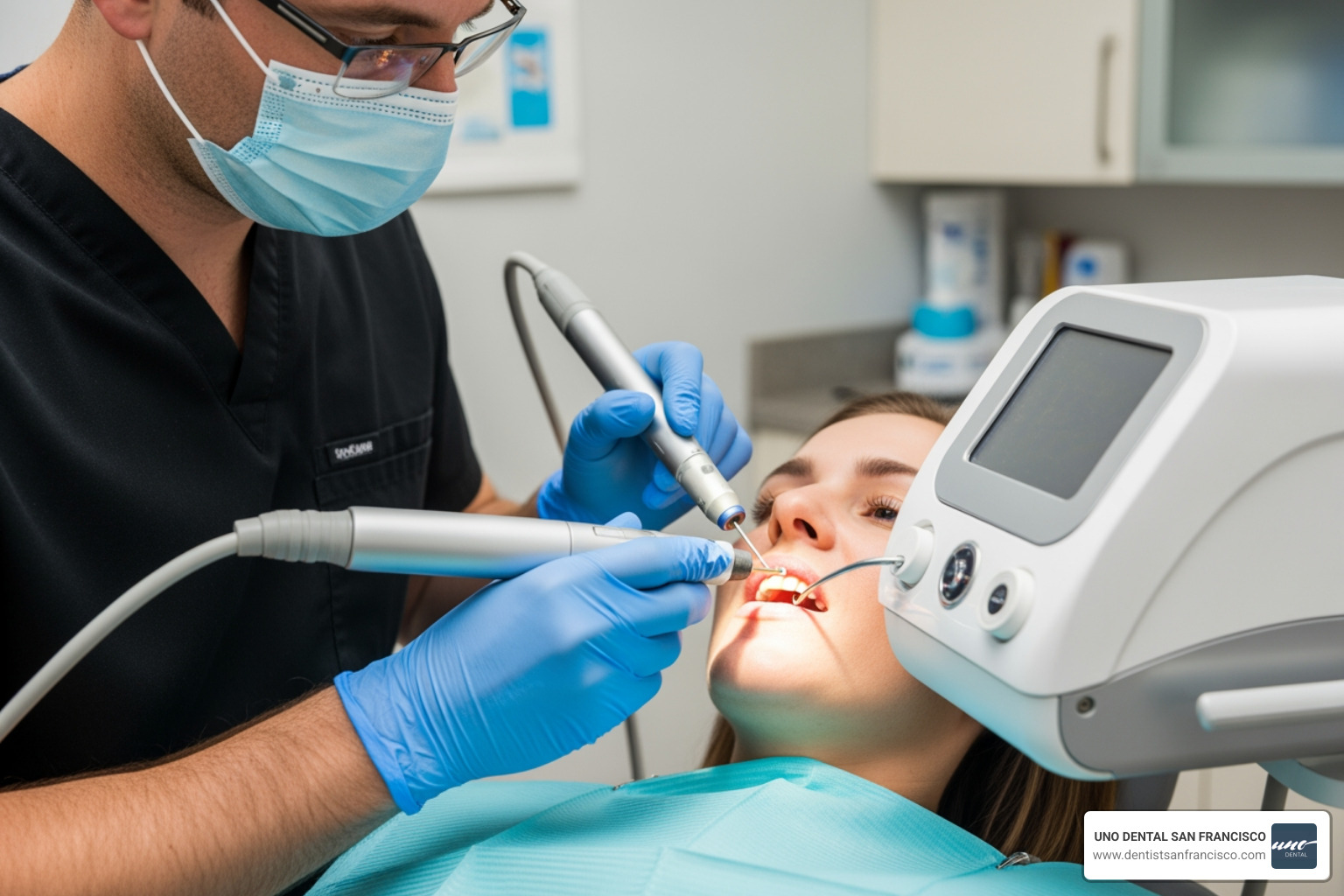
Ozone is a powerful antimicrobial that can kill bacteria, viruses, and fungi on contact. We use it to disinfect cavities and treat gum pockets without harsh chemicals. Similarly, our dental lasers allow us to perform "drill-free" fillings and treat gum disease with minimal discomfort and faster healing times.
Biocompatibility and Holistic Oral Health Materials
Every time we place a filling, crown, or implant, we are introducing a foreign object into your body. In Holistic Oral Health, we prioritize materials that are inert and non-reactive.
- Composite Resins: We use BPA-free, high-quality resins that match the natural expansion and contraction of your teeth.
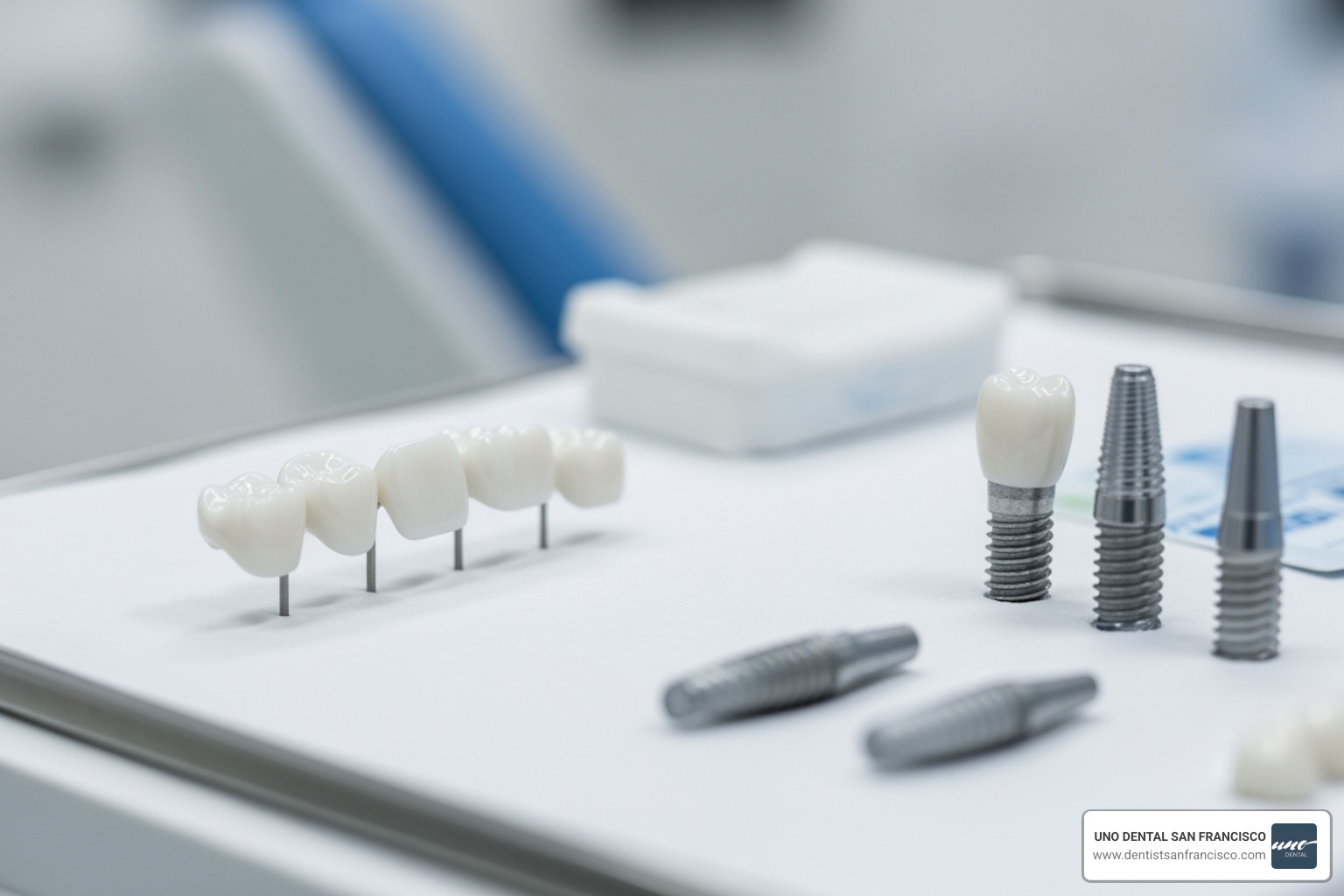
- Zirconia Implants: For those needing tooth replacement, ceramic (Zirconia) implants offer a metal-free alternative that is highly biocompatible and aesthetically superior.
- Porcelain and Ceramics: These materials are not only beautiful but are also highly resistant to plaque buildup and are tolerated exceptionally well by the gums.
According to Scientific research on dental amalgam, while the FDA has updated its recommendations for high-risk groups, we prefer to avoid the material entirely to ensure the highest safety for all our patients.
Navigating Risks and Scientific Evidence
It is important to approach Holistic Oral Health with a balanced, evidence-based mindset. While the philosophy offers many benefits, we must also acknowledge the controversies and ensure patient safety above all else.
- The Root Canal Debate: Some holistic circles believe root canals can harbor "focal infections." While we take these concerns seriously and use ozone to disinfect canals, we also recognize that losing a tooth has its own risks, such as bone loss and shifting teeth. We discuss all options, including More info about holistic extractions, to find the best path for you.
- Cavity Prevention: Avoiding fluoride requires a much stricter commitment to diet and hygiene. We work closely with our patients to ensure they have a robust "at-home" protocol to prevent decay.
- Infection Management: We prioritize natural antimicrobials, but we are also trained in conventional medicine and will use antibiotics or traditional interventions if a life-threatening infection is present.
Our approach is "Integrative"—we take the best of modern science and combine it with the wisdom of holistic principles.
Frequently Asked Questions about Holistic Oral Health
Is holistic dentistry more expensive than traditional care?
Initially, some holistic treatments or diagnostic tests (like biocompatibility testing or salivary DNA tests) may have a higher upfront cost. However, by focusing on root causes and prevention, most patients find they save significant money over their lifetime by avoiding repetitive "drill and fill" cycles and managing systemic health issues early.
Are holistic dental treatments safe for children?
Absolutely! In fact, children are often the best candidates for a holistic approach. By focusing on nutrition, proper jaw development (airway-focused orthodontics), and avoiding unnecessary toxins early in life, we can set them up for a lifetime of wellness.
Does insurance cover holistic oral health services?
Most insurance companies view holistic dentists as general dentists. Standard procedures like cleanings, fillings, and crowns are typically covered according to your plan’s benefits. Some specialized holistic treatments, like ozone therapy or specific nutritional counseling, may be out-of-pocket, but we always provide a clear breakdown of costs before starting.
Conclusion
Open uping your best smile is about more than just aesthetics; it's about supporting your health from the inside out. At UNO DENTAL SAN FRANCISCO, we provide patient-centered, high-tech care that respects your body's natural biology while using evidence-based dentistry to protect your long-term wellness.
Whether you are interested in mercury-free restorations, preventive care custom to your goals, or a free virtual smile consultation to discuss your mouth-body connection, our team is here to help. We offer individualized treatment plans and comprehensive services under one roof in the heart of San Francisco.
Take the next step toward a healthier smile and a healthier you. Unlock your best smile today by scheduling your consultation with us.
Manual review completed: y