

Why Teeth Whitening Aftercare Smoking Matters More Than You Think
Teeth whitening aftercare smoking is one of the most critical -- and most overlooked -- parts of getting a brighter smile.
Here's the quick answer most people need:
How to protect your whitening results if you smoke:
- Wait at least 48-72 hours before smoking after any whitening treatment
- Rinse your mouth with water immediately after smoking
- Brush twice daily with whitening toothpaste
- Stay hydrated to support saliva production
- Schedule professional cleanings every 3-6 months
- Use at-home whitening touch-ups between professional treatments
- Cut back on smoking as much as possible to slow color relapse
Right after whitening, your enamel is temporarily more porous. Think of your teeth like a "fresh sponge" -- they absorb whatever touches them more easily than usual. Nicotine and tar from cigarette smoke are among the most stubborn staining agents out there. They seep into those open pores fast.
Research backs this up. Smokers show visible tooth darkening within just one month of whitening. By 30 months, most of the whitening benefit is gone -- even when the initial results looked great.
That's a big investment to lose quickly.
And it's not just about color. Smoking also reduces saliva flow, which normally helps protect and clean your teeth. Less saliva means more stain adhesion and more plaque buildup -- both working against your whitening results at the same time.
The good news? With the right aftercare routine, you can extend your results significantly -- even as a smoker.
I'm Dr. Mohammad Kandar, DDS, with over 15 years of clinical experience in cosmetic and restorative dentistry at UNO DENTAL SAN FRANCISCO, including helping patients navigate teeth whitening aftercare smoking challenges specific to their lifestyle. In this guide, I'll walk you through exactly what happens to your teeth when you smoke after whitening -- and the practical steps to protect your results.
Teeth Whitening Aftercare Resources:
- professional teeth whitening aftercare
- teeth whitening aftercare sensitivity
- teeth whitening aftercare diet
The Science of Teeth Whitening Aftercare Smoking
To understand why teeth whitening aftercare smoking is so vital, we have to look at what happens to your teeth during the bleaching process. Most professional whitening treatments use high-concentration hydrogen peroxide or carbamide peroxide. These active ingredients work by penetrating the enamel to break down the molecular bonds of deep-seated stains.
However, this process isn't without a temporary "side effect." The peroxide essentially opens up the enamel and allows stains to enter more easily for a short period. During this window, your teeth are in a state of "demineralization." The microscopic pores (tubules) in your enamel are exposed and haven't yet had the chance to re-seal through the natural remineralization process provided by your saliva.
When you smoke during this vulnerable phase, you aren't just placing stains on the surface; you are inviting them into the very structure of the tooth. This is why many patients who ignore a teeth whitening aftercare guide find that their teeth look yellower than before within just a few days. The dentin -- the layer beneath your enamel -- is also more susceptible to these toxins, leading to deep, intrinsic discoloration that is incredibly difficult to reverse.
Immediate Risks: Why Smoking After Whitening Causes Rapid Staining

If you've ever wondered why a single cigarette feels like it does more damage after whitening than it did before, it comes down to a "perfect storm" of chemical reactions.
Nicotine Oxidation and Tar Adhesion
Nicotine itself is actually colorless. However, the moment it is exposed to oxygen -- which happens every time you take a puff -- it turns a distinct, stubborn yellow. Combined with tar, which is naturally dark and sticky, these tobacco toxins create a "glue-like" substance that clings to the rough spots and open pores of newly whitened teeth.
Heat Acceleration
Smoking involves heat. This thermal energy increases the reactivity of the staining chemicals. Heat can cause the pores in your enamel to expand even further, allowing the yellow nicotine and brown tar to penetrate deeper and faster. This "heat acceleration" is why smokers often experience much more rapid "color rebound" than people who simply drink coffee.
Saliva Disruption and Sensitivity
Smoking is notorious for causing dry mouth (xerostomia). Saliva is your mouth's natural defense mechanism; it neutralizes acids and washes away debris. When smoking reduces saliva flow, the staining agents sit on your teeth longer. Furthermore, because the enamel is already sensitive from the treatment, smoking can trigger intense teeth whitening aftercare sensitivity by irritating the exposed nerve endings in the dentin tubules.
Step-by-Step Guide to Post-Whitening Recovery
At UNO DENTAL SAN FRANCISCO, we want your investment in your smile to last as long as possible. Maintaining your bright results requires a disciplined approach to recovery, especially if you are a smoker.
The 48-Hour Rule for Teeth Whitening Aftercare Smoking
The most critical period is the first 48 hours. During this time, your enamel is at its most absorbent. We strictly recommend a total tobacco fast for at least two full days. This allows the enamel to re-harden and the pores to close.
Following these teeth whitening aftercare instructions is non-negotiable for optimal results. If you absolutely cannot go 48 hours without nicotine, consider using a clear nicotine patch or flavorless nicotine gum as a temporary bridge to avoid direct smoke contact with your teeth.
Long-Term Maintenance and Teeth Whitening Aftercare Smoking
Once you pass the initial 48-hour window, the goal shifts to defense.
- Professional Cleanings: Smokers should aim for professional cleanings every 3 to 4 months rather than the standard 6 months. This prevents the buildup of tar that eventually becomes impossible to brush away.
- Whitening Toothpaste: Use a non-abrasive whitening toothpaste that focuses on chemical stain prevention rather than harsh scrubbing, which can damage weakened enamel.
- Touch-up Kits: Even with great care, smokers will need more frequent touch-ups. While non-smokers might go a year between treatments, smokers often benefit from teeth whitening strips aftercare or custom gel trays every few months to maintain their results.
Long-Term Impact: Smokers vs. Non-Smokers
The data is clear: smoking is the number one enemy of tooth whiteness. Research consistently shows that smokers have a much harder time maintaining their whitening results.
| Feature | Non-Smokers | Smokers |
|---|---|---|
| Initial Result Longevity | 6-12 Months | 1-3 Months |
| Visible Darkening | After 6+ Months | Within 30 Days |
| Color Relapse at 30 Months | Minimal | Significant (near total) |
| Touch-up Frequency | Once a year | Every 3-4 months |
| Gum Health Risk | Low | High (recession/inflammation) |
A significant study on color relapse in smokers found that smokers experienced a much faster rebound to their original tooth shade. This is largely due to the cumulative effect of tar and the fact that tobacco smoke penetrates into the inner structure of the teeth, making the stains nearly permanent over time.
Vaping and Alternative Tobacco Products
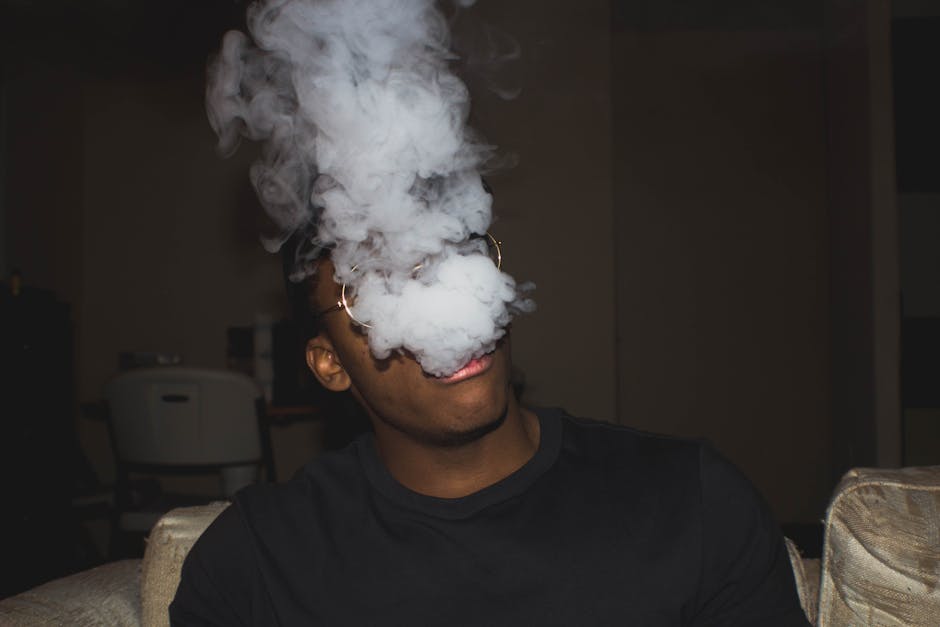
A common question we hear at our San Francisco office is: "Is vaping better for my white teeth?"
While vaping doesn't produce the dark tar found in traditional cigarettes, it is not "stain-free." Most e-liquids still contain nicotine, which we know turns yellow when oxidized. Furthermore, many vapes use artificial flavorings and dyes (like those found in "berry" or "grape" flavors) that can be easily absorbed by porous enamel.
According to our teeth whitening safety guide, vaping still poses a risk of:
- Chemical Staining: Nicotine and propylene glycol can still lead to yellowing.
- Uneven Results: The way aerosol is inhaled can lead to "patchy" staining on the front teeth.
- Dry Mouth: Vaping is highly dehydrating, which reduces the saliva needed to protect whitened enamel.
Frequently Asked Questions about Smoking After Whitening
Can teeth whitening completely remove existing smoking stains?
Yes, in many cases, professional whitening can significantly lift years of tobacco use. However, because tobacco stains are "more resistant to whitening" than food stains, you may require a multi-session approach. Our pain-free teeth whitening guide explains how we use high-tech desensitizers to ensure heavy smokers can reach their goal shade without the "zingers" often associated with deep bleaching.
What should I do if I smoke too soon after my treatment?
If you slip up and have a cigarette within the first 24 hours, don't panic, but act fast:
- Rinse Immediately: Swish with plain water for 30 seconds to remove as much residue as possible.
- Wait to Brush: Don't brush immediately after smoking, as the enamel is soft. Wait 30 minutes, then brush gently.
- Hydrate: Drink plenty of water to stimulate saliva flow.
- Call Us: If you notice immediate gray or yellow spots, schedule a quick touch-up.
Does vaping affect whitening results similarly to smoking?
While the staining is often more gradual with vaping, it still occurs. The nicotine yellowing is the primary concern. If you vape, we recommend following the same 48-hour abstinence rule and using a straw for any colored drinks to minimize the "bath" of chemicals your teeth are exposed to.
Conclusion: Partnering with UNO DENTAL SAN FRANCISCO
Achieving a bright smile is an investment in your confidence. While teeth whitening aftercare smoking presents unique challenges, it doesn't mean you can't enjoy a radiant smile. At UNO DENTAL SAN FRANCISCO, we specialize in high-tech, holistic care that respects your lifestyle while pushing for the best possible clinical outcomes.
We provide individualized treatments tailored to the specific needs of smokers, ensuring that we not only whiten your teeth but also provide the tools and education to keep them that way. If you're ready for a fresh start, we invite you to take advantage of our free virtual smile consultations.
Let us help you navigate your journey to a brighter, healthier smile. Whether you need a full in-office session or a custom maintenance plan, our professional teeth whitening services are designed to give you lasting results.
Ready to transform your smile? Contact UNO DENTAL SAN FRANCISCO today to schedule your consultation!