
Why Proper Aftercare Makes Your Whitening Investment Last
Knowing what to do after teeth whitening is just as important as the treatment itself. Your teeth are most vulnerable to staining and sensitivity in the first 48-72 hours following your whitening procedure.
Essential aftercare steps to protect your bright new smile:
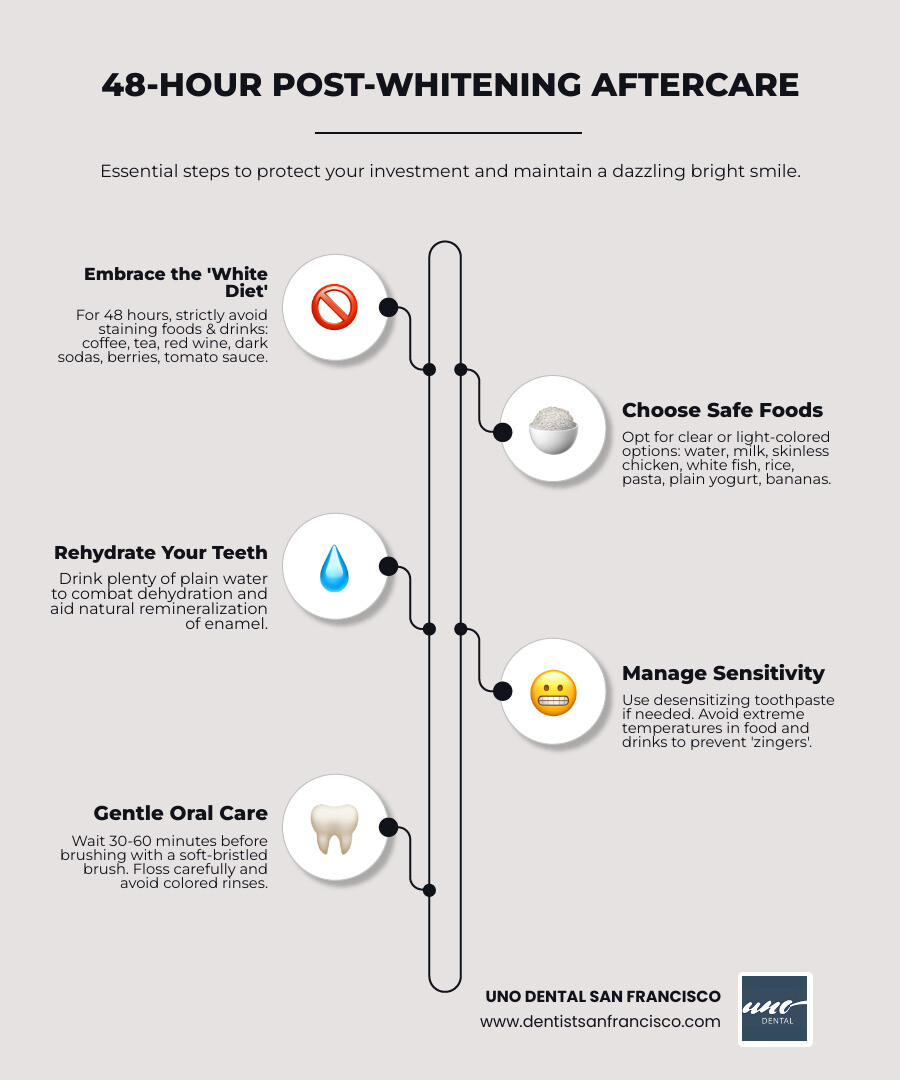
- Follow the "White Diet" for 48 hours - avoid coffee, tea, red wine, berries, and dark sauces
- Drink plenty of water to help rehydrate your teeth and flush out whitening agents
- Use sensitivity toothpaste if you experience any discomfort or "zingers"
- Wait 30-60 minutes before brushing your teeth after treatment
- Avoid extreme temperatures in food and drinks for the first few days
- Rinse with water immediately after consuming any potentially staining substances
The science behind this careful aftercare is straightforward. Professional teeth whitening temporarily opens the pores in your tooth enamel, making them more susceptible to stains and sensitivity. During this critical period, your teeth are also dehydrated and need time to rehydrate naturally through your saliva.
Research shows that teeth typically rehydrate within 24 to 48 hours after whitening, but following proper aftercare protocols can mean the difference between results that last months versus weeks.
As Mohammad Aghiad Kandar DDS at UNO DENTAL SAN FRANCISCO, I've guided hundreds of patients through their whitening journeys and seen how proper aftercare significantly extends results. My 15+ years of experience in cosmetic dentistry has taught me that educating patients about what to expect after teeth whitening is essential for both comfort and long-lasting brightness.
The Critical First 48 Hours: Your Immediate Aftercare Plan
The first 48 hours after teeth whitening are absolutely crucial for protecting your investment and ensuring your bright smile lasts as long as possible. Think of this time as your teeth's recovery period – they've just been through an intensive treatment and need some extra TLC.

Don't be surprised if you experience some tooth sensitivity during this time. Many patients describe feeling "zingers" – those sharp, quick sensations that can catch you off guard. You might also notice some mild gum irritation where the whitening gel touched your gums. While uncomfortable, these are completely normal reactions that show the treatment is working.
Your teeth are going through several changes right now. The whitening process temporarily dehydrates your teeth, which can make them feel chalky or dry. This dehydration actually contributes to that immediate brightness you see right after treatment – but it's temporary.
More importantly, the whitening gel has opened up the microscopic pores in your enamel, making your teeth extra porous and vulnerable to stains. At the same time, your teeth's natural protective layer (called the pellicle layer) has been dissolved and needs 24-48 hours to regenerate.
This is why following our Teeth Whitening Aftercare Diet guidelines is so important – your teeth are essentially wide open to absorbing whatever you put in your mouth.
The 'White Diet': What to Eat and Avoid after teeth whitening
For the next 48 hours, you'll need to stick to what we call the "White Diet." This means avoiding anything that could stain a white t-shirt – if it would leave a mark on fabric, it'll definitely leave a mark on your vulnerable teeth.
Here's what to avoid: Coffee and tea are the biggest culprits, packed with tannins that love to stick to porous enamel. Red wine combines dark pigments with acidity – a double threat to your new smile. Dark sodas, berries, tomato sauce, soy sauce, mustard, and chocolate all contain strong pigments that can quickly undo your whitening results. Even acidic fruits like oranges and lemons should be avoided, as they can weaken your enamel and increase sensitivity. For more details on how coffee affects your teeth, check out our guide on Will Coffee Stain Your Teeth?
Safe foods for your White Diet include: Water (your absolute best friend right now), milk, skinless chicken or turkey, white fish, rice, pasta, white cheese, plain yogurt, cauliflower, potatoes, and bananas. These foods won't interfere with your results and will help you stay comfortable during the healing process.
The good news? This restrictive diet is only temporary. After 48 hours, you can gradually reintroduce your favorite foods – though being mindful of staining habits will help your results last longer.
Managing Immediate Sensitivity and Discomfort
That sensitivity you're experiencing happens because the whitening process temporarily exposes your teeth's dentin layer – the layer beneath your enamel that contains tiny tubules leading to your tooth's nerve. When these tubules are exposed, hot, cold, or even air can trigger those uncomfortable zingers.
Common sensitivity symptoms include sharp, shooting pains, dull aches, or increased sensitivity to temperature changes. Gum irritation might appear as redness or tenderness where the whitening gel made contact.
The intensity varies from person to person, but most patients find their sensitivity peaks within the first 24 hours and then gradually improves. By 72 hours after teeth whitening, most people are completely comfortable again.
This discomfort is temporary and actually a sign that the whitening worked effectively. For comprehensive strategies to manage post-whitening sensitivity, visit our detailed guide on Teeth Whitening Aftercare Sensitivity.
At UNO DENTAL SAN FRANCISCO, we're always here to support you through your whitening journey. If your sensitivity seems excessive or lasts longer than expected, don't hesitate to give us a call.
Rehydrating and Soothing Your Smile
Think of your teeth like a sponge that's been wrung out – after teeth whitening, they need time to soak up moisture and return to their natural, healthy state. This rehydration process isn't just about comfort (though that's important too!). It's actually crucial for restoring your enamel's strength and protecting your beautiful new smile.
When your teeth are dehydrated from the whitening process, those microscopic pores in your enamel stay wide open. This leaves them vulnerable to stains and makes them feel sensitive. But here's the good news: rehydration naturally closes these pores, which not only reduces that zingy sensitivity but also creates a protective barrier against future staining.
This is where the remineralization process becomes your best friend. Your body has an amazing built-in repair system that works around the clock to strengthen your teeth. Saliva is the real hero here – it's packed with calcium and phosphate minerals that act like tiny construction workers, rebuilding and strengthening your enamel from the inside out.
Your saliva does so much more than you might realize. It naturally bathes your teeth in moisture, helping to re-harden enamel that may have been temporarily softened during whitening. It also acts as nature's mouthwash, washing away food particles and neutralizing acids that could harm your teeth. By encouraging healthy saliva production, you're giving your teeth the best possible environment to heal and strengthen.
How to Rehydrate Your Teeth and Reduce Sensitivity
The path to comfortable, well-hydrated teeth is surprisingly straightforward. Drinking plenty of water is your first and most powerful tool. When you stay hydrated, your body produces the saliva your teeth desperately need for natural rehydration and remineralization. Water also helps flush out any lingering whitening agents and potential stain particles – think of it as giving your mouth a gentle, continuous rinse.
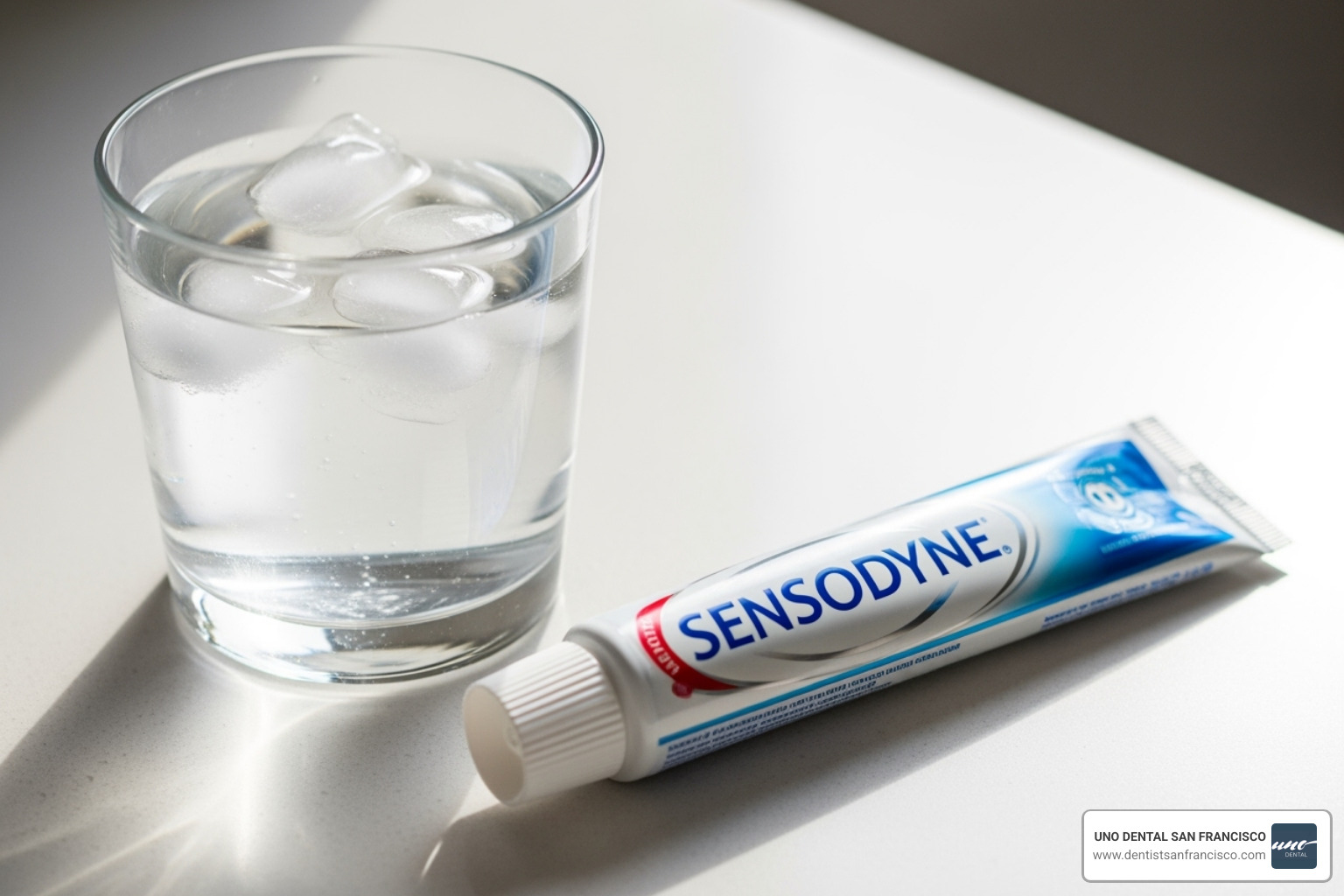
Desensitizing toothpaste can be a game-changer if you're experiencing discomfort. These specially formulated toothpastes contain ingredients like potassium nitrate that work by blocking those tiny tubules in your dentin. It's like putting up a protective shield that prevents hot, cold, or sweet sensations from reaching your tooth's nerve. Use it for a few weeks following your treatment for the best results.
Alcohol-free fluoride rinses offer another layer of protection and healing. Fluoride is like a vitamin for your teeth – it helps rebuild and harden your tooth surface while reducing sensitivity. We always recommend alcohol-free versions because alcohol can actually dry out your mouth and irritate sensitive gums, which is the opposite of what we want right now.
Avoiding extreme temperatures in your food and drinks for the first few days gives your teeth a much-needed break. Very hot or cold items can cause your teeth to expand and contract, potentially making sensitivity worse and creating tiny spaces where stains could settle. Room temperature or lukewarm foods and drinks are your safest bet.
Remineralizing gels represent the cutting edge of post-whitening care. These mineral-rich gels can be applied to your teeth (often using your existing whitening trays) to directly replenish lost minerals. Research shows these gels can significantly improve the strength of whitened enamel, essentially sealing in your results while blocking out future stains. For a deeper dive into how these gels work, check out our Teeth Whitening Gel Ultimate Guide.
Don't underestimate the power of chewing sugar-free gum either. This simple habit stimulates saliva production, giving your teeth that mineral-rich bath they need. It also helps neutralize acids in your mouth – a win-win for your newly whitened smile.
Oral Hygiene Practices for the First Few Days
Your regular oral hygiene routine needs a few gentle modifications in the days immediately after teeth whitening. These small changes make a big difference in your comfort and results.
Waiting 30-60 minutes before brushing might feel strange, but it's one of the most important steps you can take. Just like eating acidic foods can temporarily soften your enamel, the whitening process has a similar effect. Brushing while your enamel is still softened could potentially wear it away over time. Giving your saliva time to naturally re-harden your enamel is like letting concrete set – patience pays off.
When you do brush, use a soft-bristled toothbrush and treat your teeth like they're made of silk. Gentle, circular motions clean effectively without causing discomfort or damage. Think massage, not scrub. Your teeth will thank you for the tender loving care.
Avoiding colored toothpaste and mouthwash for the first 48 hours protects your investment. Those bright blues, greens, and reds contain pigments that could potentially stain your newly porous enamel. Stick with plain white toothpaste and clear, alcohol-free mouthwash – or simply rinse with water.
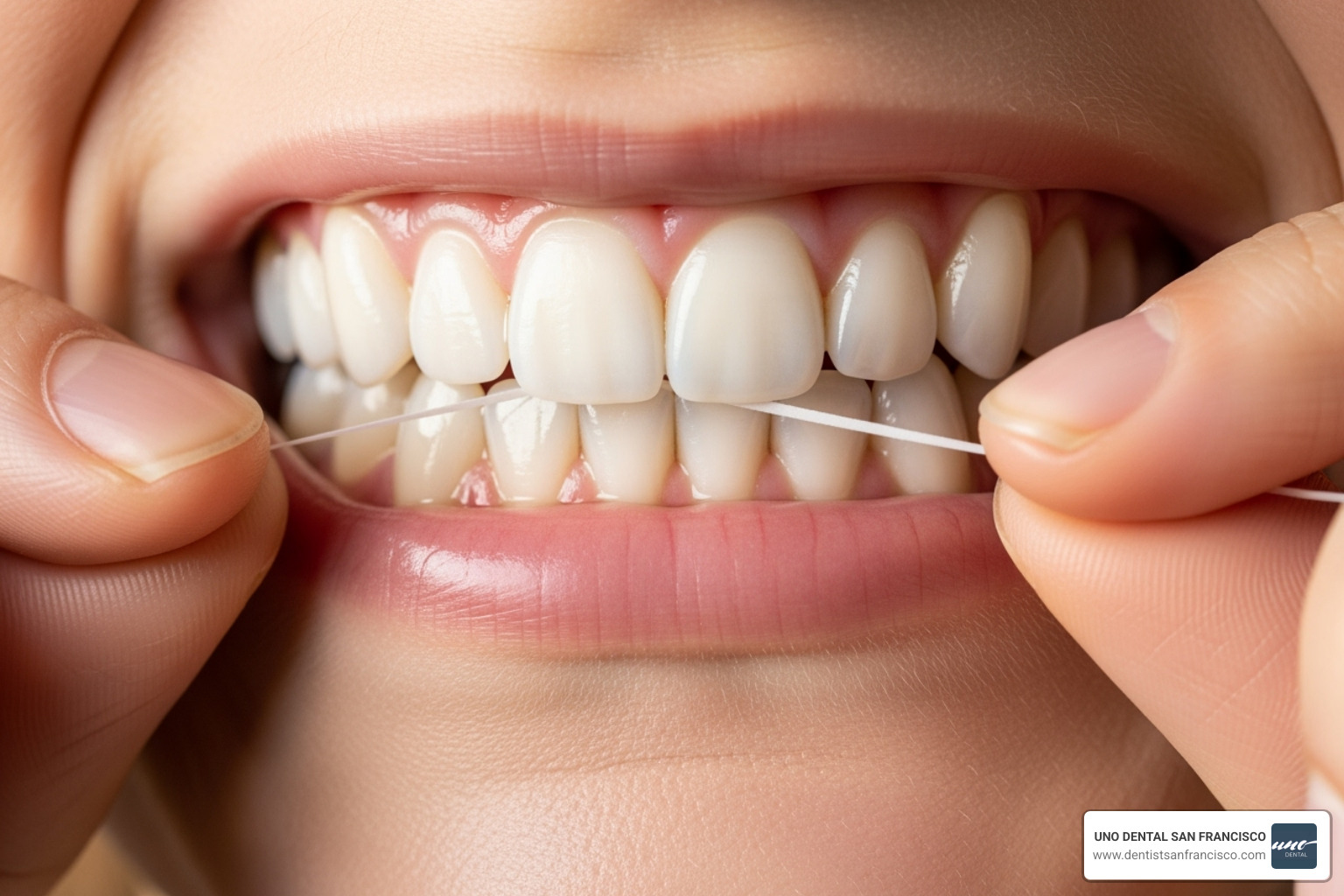
Continue flossing, but gently. This step is crucial for removing plaque and food particles that could lead to new stains. Your gums might be a bit more sensitive than usual, so take your time and be extra gentle around the gum line.
This modified routine is temporary. Within a few days, your teeth will be back to their normal state, and you can return to your regular oral care habits – with the added confidence of a brilliantly white smile.
Long-Term Strategies for a Lasting Bright Smile
Congratulations! You've successfully steerd the critical first 48 hours after teeth whitening. Now comes the exciting part – maintaining that brilliant smile for months and years to come. Think of this phase as shifting from intensive care to a sustainable lifestyle that protects your investment.
The truth is, maintaining your whitening results beyond those first crucial days doesn't require the same level of restriction, but it does call for mindful choices. Your daily habits – what you eat, drink, and how you care for your teeth – will determine whether your bright smile lasts three months or three years.
Let's be honest: completely avoiding coffee, tea, and red wine forever isn't realistic for most people. The good news? You don't have to live like a monk to keep your smile bright. It's about balance and being strategic with your choices.
Smoking and tobacco use remain the biggest threats to your newly whitened teeth. The nicotine and tar in tobacco products create stubborn yellow and brown stains that are incredibly difficult to remove. If you're a smoker, quitting is hands-down the best thing you can do for both your oral health and your smile's longevity.
When it comes to dietary choices, think of it as being mindful rather than restrictive. You can still enjoy your favorite foods and drinks – just be smart about it. Having that morning coffee? Use a straw and rinse with water afterward. Love your evening glass of red wine? Pair it with cheese, which can help neutralize acids.
For a deeper understanding of how different whitening approaches can set you up for long-term success, explore our comprehensive guide on Best Teeth Whitening Techniques.
Maintaining Your Results with Proper Oral Hygiene
Your daily oral hygiene routine becomes your smile's best defense against new stains and discoloration. This isn't just about brushing twice a day – it's about creating a comprehensive care system that works.
Consistent brushing and flossing form the foundation of long-term whitening maintenance. Brushing at least twice daily with a whitening toothpaste helps remove surface stains before they can penetrate your enamel. Flossing daily prevents plaque buildup between teeth, which can cause yellowing and decay over time. Don't forget your tongue – bacteria there can contribute to overall discoloration.
The importance of maintaining a solid oral hygiene routine extends far beyond aesthetics. When your teeth and gums are healthy, they're better equipped to resist staining and maintain their brightness naturally.
Regular dental cleanings at UNO DENTAL SAN FRANCISCO are like hitting the reset button on your smile. Even with excellent home care, professional cleanings every six months remove stubborn plaque and surface stains that regular brushing can't tackle. Our hygienists use specialized tools and techniques to polish your teeth and remove microscopic stains that accumulate over time.
For those moments when you can't avoid staining beverages, using a straw is a simple but effective strategy. This minimizes direct contact between dark liquids and your front teeth. While it won't eliminate all risk, it significantly reduces exposure to the teeth most visible when you smile.
Rinsing with water after meals is perhaps the easiest habit to adopt with the biggest payoff. This simple step washes away food particles and acids before they can settle on your teeth. Make it automatic – after every meal or staining drink, swish water around your mouth for 30 seconds.
Touch-Up Treatments and Maintenance
Even with perfect aftercare, teeth whitening isn't permanent. Your teeth face daily exposure to staining agents, and some gradual color change is natural. This is where strategic touch-up treatments become your secret weapon for maintaining that just-whitened look.
When to consider touch-ups depends on your lifestyle and how well you've maintained your results. Most patients benefit from touch-up treatments every 6 to 12 months. If you're a daily coffee drinker or wine enthusiast, you might need touch-ups closer to the six-month mark. Those who stick closely to stain-avoiding habits can often stretch results to a full year.
Professional touch-ups at our office are typically quicker and gentler than your initial treatment. During your regular cleaning appointments, Dr. Kandar can assess your tooth shade and recommend whether a professional booster treatment would benefit you. These in-office touch-ups can restore your smile's brightness in just one visit.
For convenient maintenance between professional visits, many of our patients love the flexibility of our At Home Dental Whitening Guide options. These professional-grade kits allow you to touch up your smile on your schedule, in the comfort of your own home.
We particularly recommend Custom Fit Teeth Whitening Trays for at-home maintenance. Unlike generic drugstore trays, our custom-made trays ensure even gel distribution and minimize gum irritation. They're designed specifically for your mouth, making touch-up treatments safer and more effective.
The key to long-lasting results is consistency rather than intensity. Regular gentle maintenance beats sporadic aggressive treatments every time.
Frequently Asked Questions about After Teeth Whitening
We understand you likely have many questions about what to expect and how to care for your smile after teeth whitening. Here are some of the most common inquiries we receive at UNO DENTAL SAN FRANCISCO, along with the detailed answers you need to feel confident about your aftercare journey.
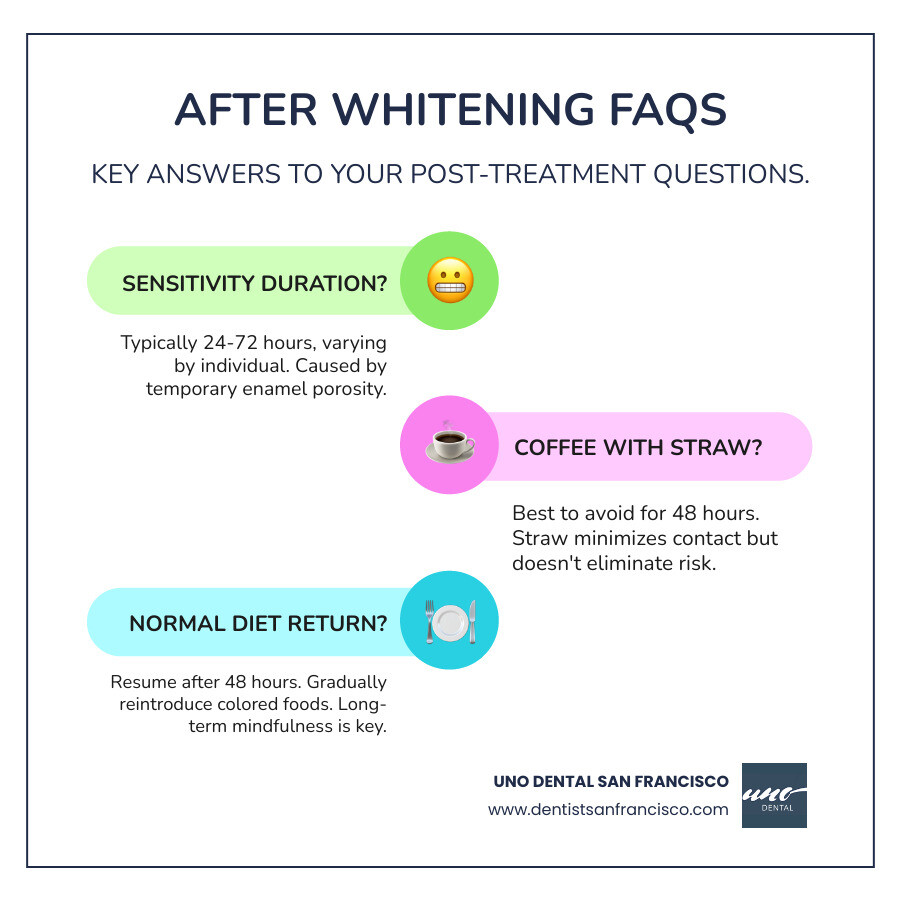
How long does tooth sensitivity last after whitening?
If you're experiencing those sharp "zingers" or a dull ache in your teeth after teeth whitening, you're not alone. Tooth sensitivity is incredibly common and affects most of our patients to some degree. The good news? It's almost always temporary and completely manageable.
Typically, sensitivity lasts between 24 to 72 hours, though this timeline can vary based on your individual situation. Some people barely notice any discomfort, while others might experience more noticeable sensations. Think of it like a sunburn for your teeth – it's uncomfortable for a short time, but it heals naturally.
This sensitivity happens because the whitening process temporarily opens tiny pores in your tooth enamel, making the nerve-rich dentin layer underneath more exposed to temperature changes and air. As your teeth naturally rehydrate and those pores close back up, the discomfort fades away.
Managing sensitivity is straightforward. Switch to a desensitizing toothpaste for a few weeks, use an alcohol-free fluoride rinse, and avoid extremely hot or cold foods and drinks. Over-the-counter pain relievers like ibuprofen can also provide relief if needed.
When should you call us? While temporary sensitivity is completely normal, we want to hear from you if your discomfort is severe, lasts longer than 72 hours, or if you notice any other unusual symptoms. At UNO DENTAL SAN FRANCISCO, we're always here to ensure your comfort and address any concerns.
Can I drink coffee with a straw after whitening?
Ah, the coffee question – we hear this one a lot! As much as we understand your morning coffee is sacred, it's best to avoid coffee entirely for the first 48 hours after teeth whitening, even when using a straw.
Here's what's happening during those crucial first two days: your tooth enamel is like a freshly cleaned sponge, with pores wide open and ready to absorb whatever comes their way. Coffee is packed with powerful staining compounds called chromogens and tannins that can quickly penetrate these vulnerable pores, potentially undoing some of your beautiful results.
Using a straw does help minimize contact between the coffee and your front teeth, which is definitely better than drinking directly from a cup. However, it doesn't eliminate the staining risk completely. The coffee still swirls around your mouth and can reach other teeth.
Our honest recommendation? Be patient for just 48 hours and stick to the white diet. After that initial period, if you must have your coffee fix, a straw becomes a valuable tool. Always rinse your mouth thoroughly with water immediately after drinking coffee to wash away those staining compounds before they can settle in.
For coffee lovers looking to protect their investment long-term, our comprehensive guide on Teeth Whitening for Coffee Stains offers excellent strategies for enjoying your favorite brew while maintaining your bright smile.
When can I resume my normal diet?
The magic number is 48 hours – that's when you can generally return to your regular eating habits after teeth whitening. By this point, your enamel pores have largely closed, and the protective pellicle layer on your teeth has regenerated, making them much less vulnerable to immediate staining.
But here's the thing about resuming your "normal" diet – we encourage you to think of it as upgrading to a more smile-conscious version of normal rather than completely forgetting everything you've learned.
Gradual reintroduction is your friend. Instead of immediately diving back into a diet heavy in staining foods, ease back into colored items over the next few days. This gives your teeth time to fully stabilize while helping you develop more mindful eating habits.
Being mindful of staining habits becomes your new superpower. You don't have to give up your favorite foods forever, but being aware of their staining potential helps you make smarter choices. Love berries? Enjoy them, then rinse with water afterward. Can't live without red wine? Use a straw and follow up with a water rinse.
Long-term maintenance truly is the key to preserving your investment. Excellent oral hygiene, regular dental cleanings, and strategic habits like using straws for staining beverages will keep your smile bright for months to come. Those beautiful results you achieved don't have to be temporary if you're willing to make small, sustainable changes to protect them.
Protect Your Investment for a Dazzling Smile
You've made a wonderful investment in your smile, and now you have the tools to protect it. By understanding what to do after teeth whitening, you are equipped with the knowledge to keep your smile brilliant for months and even years to come.
Think of your whitening treatment as an investment in yourself – one that deserves protection. The science behind post-whitening care isn't complicated, but it is crucial. Those first 48 hours after teeth whitening when your enamel is porous and vulnerable set the stage for everything that follows. By following the White Diet, staying hydrated, and managing any sensitivity with care, you've given your smile the best possible foundation.
The beauty of proper aftercare lies in its simplicity. Drinking plenty of water helps your teeth rehydrate naturally. Using sensitivity toothpaste soothes any discomfort while your enamel heals. Avoiding staining foods and drinks during that critical window prevents new discoloration from settling into those temporarily open pores. These aren't just suggestions – they're your roadmap to lasting results.
As you transition back to your normal routine, maintaining your bright smile is about creating sustainable habits. Consistent brushing and flossing, regular dental cleanings with our team, and being mindful of staining beverages will keep your investment protected. When you do enjoy that morning coffee or evening glass of wine, simple strategies like using a straw and rinsing with water afterward can make all the difference.
At UNO DENTAL SAN FRANCISCO, we take pride in our patient-centered approach that extends far beyond your treatment appointment. Dr. Mohammad Aghiad Kandar and our team believe in empowering you with the knowledge and tools you need to succeed. Our individualized treatments mean we're always here to answer your questions, address concerns, and guide you through every step of your whitening journey.
The truth is, proper care ensures long-lasting results. When you follow these aftercare guidelines, you're not just protecting your smile's appearance – you're investing in your confidence and oral health. There's nothing quite like the feeling of flashing a bright, radiant smile that you know looks its absolute best.
Ready to take the next step? Whether you're considering professional whitening or need guidance on maintaining your current results, we're here to help. Learn more about our professional teeth whitening services and find how UNO DENTAL SAN FRANCISCO can help you achieve and maintain the dazzling smile you've always wanted. We're proud to serve the San Francisco community with exceptional, high-tech dental care that puts your needs first.
Medically reviewed by Mohammad Aghiad Kandar, DDS, UNO DENTAL SAN FRANCISCO.