

Why Gum Disease Treatment in San Francisco Matters More Than You Think
Gum disease treatment San Francisco residents need is more accessible-and more urgent-than most people realize. Here's a quick summary of what's available:
Quick Answer: Gum Disease Treatment Options in San Francisco
| Treatment Type | Best For | Invasiveness |
|---|---|---|
| Scaling & root planing | Early to moderate gum disease | Non-surgical |
| Laser therapy (LANAP) | Moderate to advanced disease | Minimally invasive |
| Perio Protect trays | At-home maintenance support | Non-invasive |
| Pocket reduction surgery | Deep periodontal pockets | Surgical |
| Bone & soft-tissue grafts | Bone loss, gum recession | Surgical |
| Pinhole Surgical Technique | Gum recession | Minimally invasive |
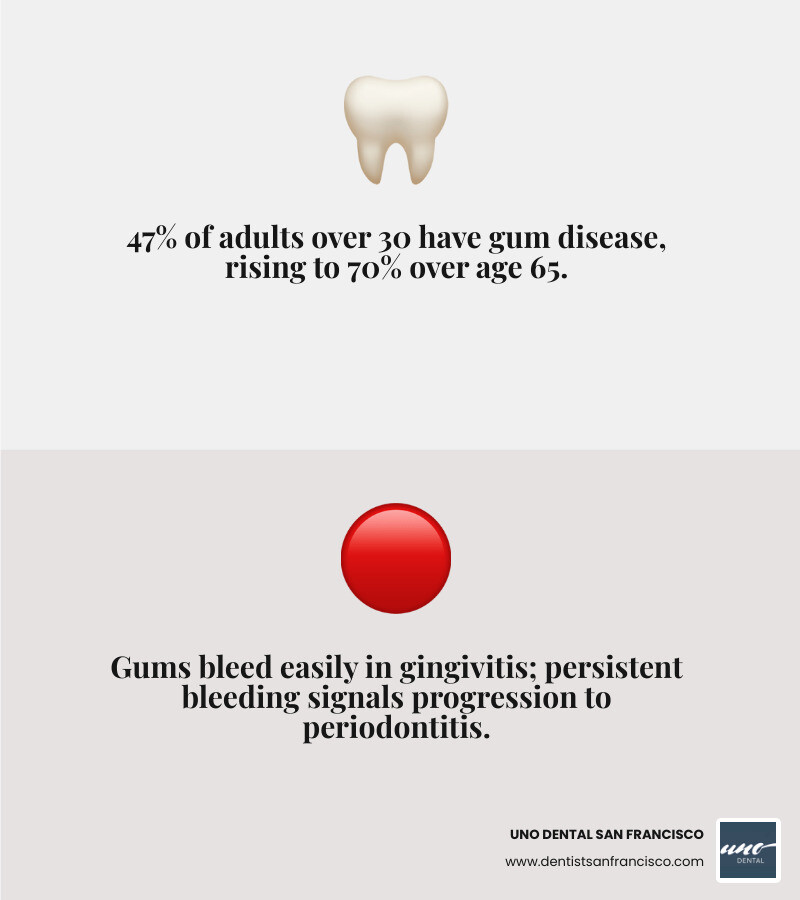
Gum disease is far more common than most people expect. According to the CDC, one in two adults over 30 in the United States has some form of periodontal disease. And because it's almost always painless in the early stages, many people don't know they have it until real damage has already been done.
Left untreated, gum disease doesn't just affect your smile. It can lead to bone loss, tooth loss, and has been linked to serious systemic conditions like heart disease and diabetes.
The good news? When caught early, gum disease is highly treatable-and even reversible at the gingivitis stage.
I'm Mohammad Aghiad Kandar, DDS, a San Francisco-based dentist with over 15 years of clinical experience, including periodontal case studies and advanced training at UCSF, and I've helped many patients navigate gum disease treatment San Francisco options to find what works best for their unique situation. In this guide, I'll walk you through everything you need to know-from recognizing early warning signs to understanding the full range of treatments available today.
Related content about gum disease treatment san francisco:
Understanding Periodontal Disease and Its Stages
At its core, gum disease—or periodontal disease—is an infection of the tissues that support your teeth. It all starts with bacterial plaque, that sticky, colorless film that constantly forms on your teeth. When we don't remove plaque through brushing and flossing, the bacteria produce toxins that irritate and inflame the gums.
This inflammation is your body's way of fighting the infection, but over time, it can lead to the destruction of the very bone and tissue that hold your teeth in place. You might wonder, Could You Have Gum Disease? Many San Franciscans do without even realizing it because the early stages are often painless.
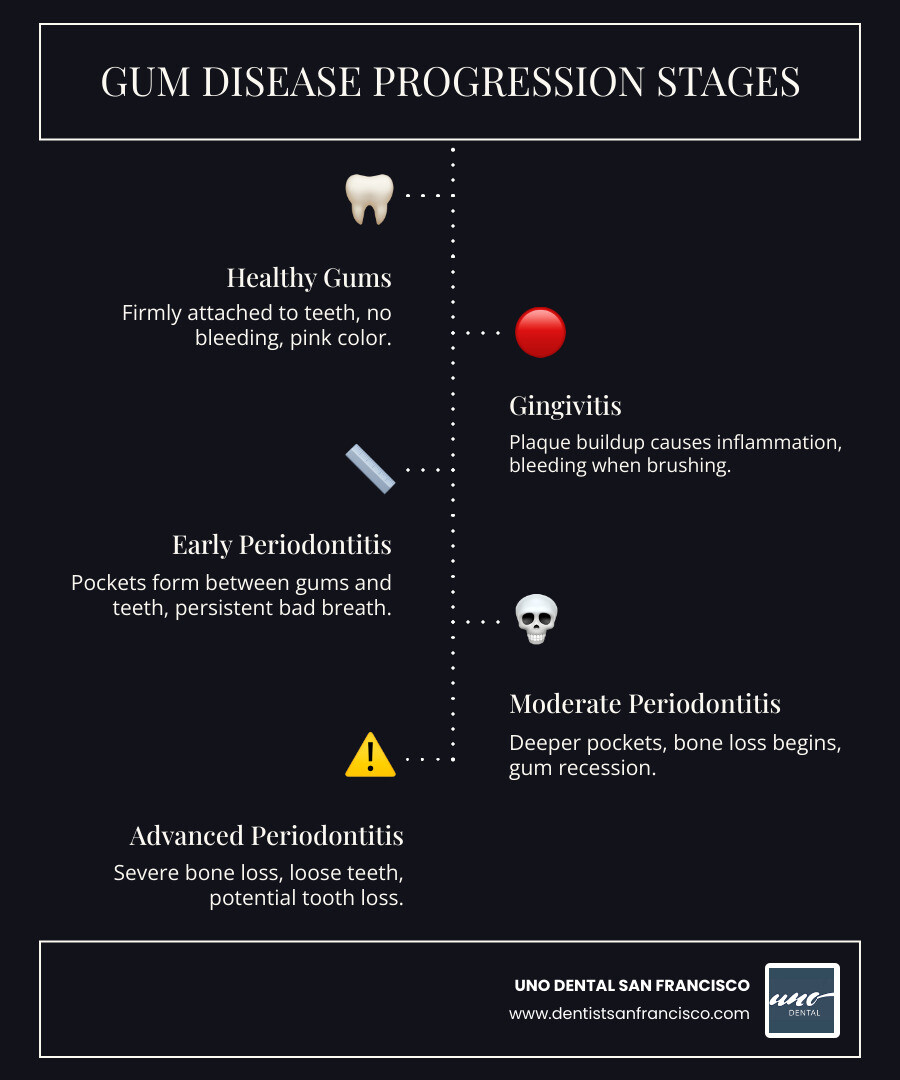
According to the American Academy of Periodontology, the disease typically progresses through two main stages:
- Gingivitis: This is the earliest stage. Your gums might be red, swollen, and bleed easily when you brush. The good news? Early Stage Gingivitis is reversible because the bone and connective tissue haven't been affected yet.
- Periodontitis: If gingivitis is ignored, it turns into periodontitis. At this stage, the supporting bone and fibers that hold your teeth in place are irreversibly damaged. Pockets begin to form below the gum line, trapping food and more plaque.
Common Symptoms and Risk Factors
One of the reasons we emphasize regular checkups at UNO DENTAL is that gum disease is "silent." However, there are red flags you should watch for:
- Bleeding Gums: If you see pink in the sink when you brush or floss, that's not normal.
- Persistent Bad Breath: This is often caused by Bad Breath Gingivitis, where bacteria produce odorous sulfur compounds.
- Receding Gums: Your teeth might start looking "longer" as the gum line pulls away.
- Loose Teeth: In advanced stages, the loss of bone support makes teeth shift or feel unstable.
While plaque is the primary cause, several risk factors can make you more susceptible:
- Smoking: Smokers are significantly more likely to develop gum disease and respond less effectively to treatment.
- Diabetes: High blood sugar can increase the risk of infections, including those in the mouth.
- Genetic Susceptibility: Some of us are simply more genetically prone to periodontal issues, regardless of how well we brush.
Non-Surgical Gum Disease Treatment San Francisco
When we catch gum disease in its early to moderate stages, we often start with non-surgical interventions. The goal here is to thoroughly clean the "pockets" around the teeth and prevent further damage.
The gold standard for non-surgical gum disease treatment san francisco is a procedure called scaling and root planing. This isn't your standard "six-month cleaning." It is a deep cleaning that goes beneath the gum line to remove the source of the infection.
During this process, we use specialized ultrasonic devices that vibrate at high frequencies to break up hardened calculus (tartar) and flush out bacteria with a stream of water. Following the procedure, understanding Deep Cleaning Dental Aftercare is crucial for ensuring your gums heal properly. We also provide a Gingivitis Self-Care Ultimate Guide to help you maintain those results at home.
As members of the American Dental Association (ADA), we follow the latest evidence-based protocols to ensure these treatments are both effective and comfortable.
Scaling and Root Planing for Early Intervention
Think of scaling and root planing as a "reset" for your oral health.
- Scaling: We remove plaque and tartar from above and below the gum line.
- Root Planing: We smooth out the rough spots on the roots of your teeth.
Why smooth the roots? Bacteria love to cling to rough surfaces. By smoothing them, we make it much harder for plaque to accumulate and much easier for your gum tissue to reattach to the clean tooth surface. To support this healing, we might recommend antimicrobial rinses as part of your Gingivitis Self-Care routine.
Advanced and Holistic Treatment Options
At UNO DENTAL SAN FRANCISCO, we believe in a holistic approach to periodontal care. This means we don't just look at your teeth; we look at how oral health impacts your entire body. Research has shown that the inflammation associated with gum disease can travel through the bloodstream, potentially worsening conditions like heart disease.
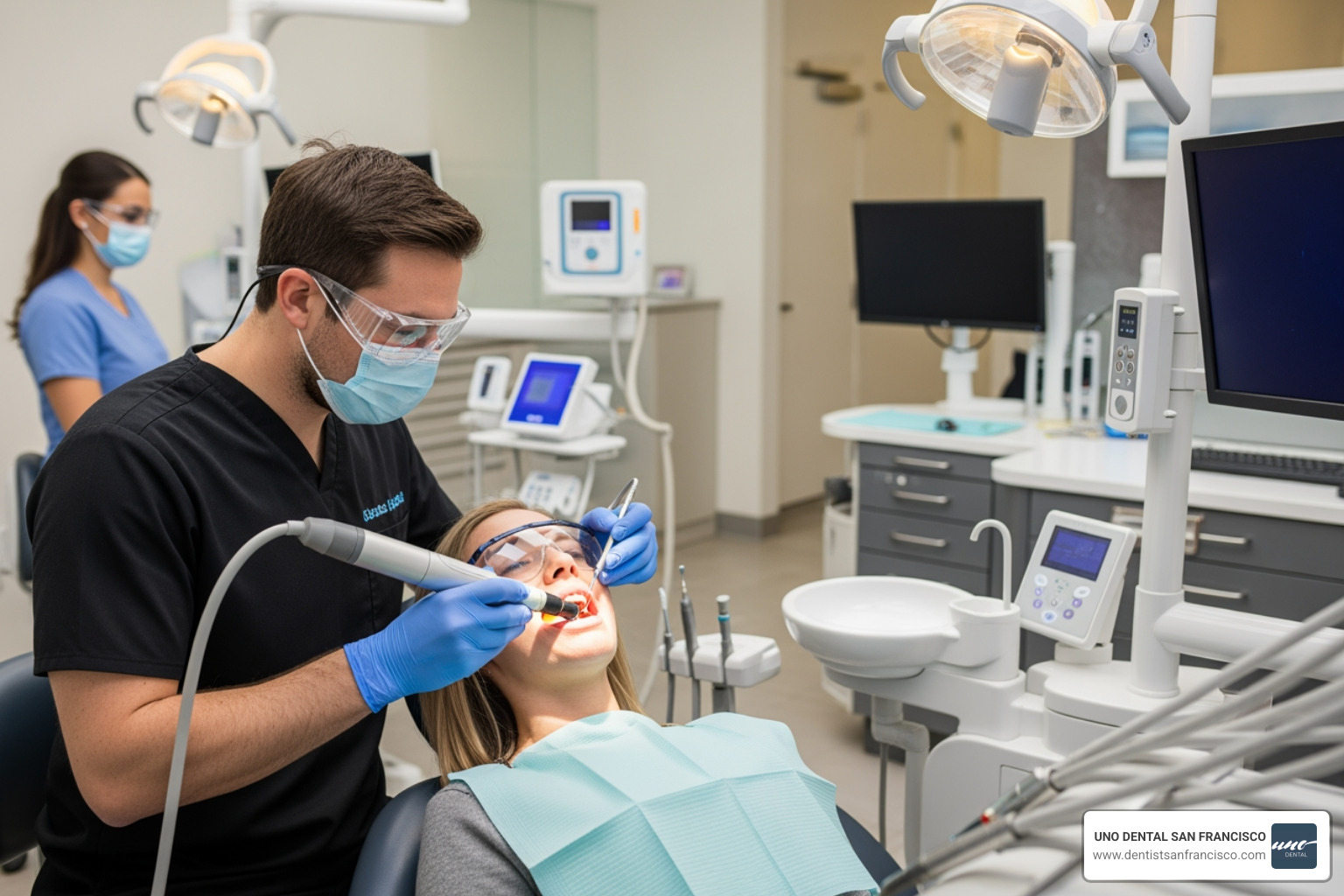
To provide the most comfortable experience, we utilize advanced dental technology that minimizes the need for traditional "cut and sew" surgery. Our Periodontal Treatment options are designed to be as minimally invasive as possible, focusing on patient comfort and whole-body wellness. You can learn more about our philosophy on Our Services/Periodontal Treatment page.
Innovative Gum Disease Treatment San Francisco Technologies
We are proud to offer some of the most innovative treatments available in the Bay Area:
- Ozone Therapy: Ozone is a powerful, natural antimicrobial. Scientific research on Ozone Therapy shows it is highly effective at killing the bacteria responsible for gum disease without the side effects of harsh chemicals.
- Laser Therapy (LANAP): Using lasers, we can target and remove only the infected gum tissue while leaving healthy tissue untouched. This leads to less bleeding, less swelling, and a much faster recovery time.
- Perio Protect Trays: These are custom-fit trays that deliver a specialized hydrogen peroxide gel deep into the periodontal pockets at home. It’s a gentle way to keep bacterial levels low between office visits.
Surgical Solutions for Advanced Gum Disease Treatment San Francisco
In cases where the disease has progressed significantly, surgical intervention may be necessary to save the teeth. These procedures aim to reduce pocket depth or regenerate lost bone and tissue.
- Pocket Reduction (Flap Surgery): We gently fold back the gum tissue to remove deep-seated bacteria and then secure the tissue back in place so it fits snugly around the tooth.
- Bone Grafting and Regeneration: If the bone supporting your teeth has been destroyed, we can use grafts or specialized proteins to stimulate your body's natural ability to regrow bone.
- Soft-Tissue Grafts: For patients with severe recession, we can graft tissue to cover exposed roots, reducing sensitivity and improving the aesthetics of your smile. This is often a concern for patients looking into Gum Treatment After Braces.
- Pinhole Surgical Technique: A revolutionary, minimally invasive way to treat gum recession without the need for scalpels or stitches.
Prevention and Long-Term Maintenance
The best gum disease treatment san francisco can offer is the one you never need. Prevention is the cornerstone of everything we do at UNO DENTAL.
Maintaining healthy gums requires a partnership between you and our team. While we provide professional cleanings using high-tech tools, your daily habits make the biggest difference. Here are our top Gum Disease Prevention Tips:
- Master Your Technique: Brushing twice a day and flossing daily are non-negotiable. If you find flossing difficult, ask us about water flossers or interdental brushes.
- Eat for Your Gums: A balanced diet rich in vitamins and minerals supports your immune system. Explore our Healthy Gums Category for more nutritional advice.
- Quit Tobacco: If you smoke or vape, quitting is the single best thing you can do for your periodontal health.
- Natural Aids: Some patients find success with DIY Gum Care: Effective Home Remedies for Gingivitis, such as saltwater rinses, though these should supplement, not replace, professional care.

Frequently Asked Questions about Gum Disease
How do I know if my gum disease is progressing?
Progression often manifests as persistent bleeding that doesn't go away with improved hygiene. You may notice your gums receding or "pulling away" from the teeth. Some patients also report Gum Issues After Braces like localized swelling. The most serious signs are loose teeth or a noticeable change in how your teeth fit together when you bite.
Is gum disease treatment painful?
We take patient comfort very seriously. For non-surgical treatments like scaling and root planing, we use local anesthesia to ensure you don't feel a thing. For more advanced procedures, our use of minimally invasive lasers significantly reduces discomfort and post-operative swelling. We also offer various sedation options for patients who feel anxious about dental work.
Can gum disease be cured or only managed?
Gingivitis can be completely reversed with professional treatment and diligent home care. However, once the disease progresses to periodontitis (where bone loss has occurred), it is considered a chronic condition. While we can't "cure" the bone loss, we can manage the infection, stop the progression, and maintain long-term stability through regular periodontal maintenance cleanings.
Conclusion
Your gums are the foundation of your smile. Just as you wouldn't build a house on an unstable foundation, you shouldn't ignore the health of your periodontal tissues. Whether you are noticing the first signs of redness or are seeking advanced gum disease treatment san francisco, UNO DENTAL is here to help.
We combine a high-tech, holistic approach with individualized care to ensure you receive the most effective treatment for your specific needs. From ozone therapy to laser treatments, we offer modern solutions in a warm, welcoming environment.
Don't wait for pain to be your guide—gum disease is often a silent thief of smiles. Take the first step toward a healthier foundation today. We offer free virtual smile consultations to make getting started as easy as possible.
Ready to reclaim your oral health? Schedule your consultation with a premier San Francisco dentist at UNO DENTAL SAN FRANCISCO today and say goodbye to gum woes for good.