
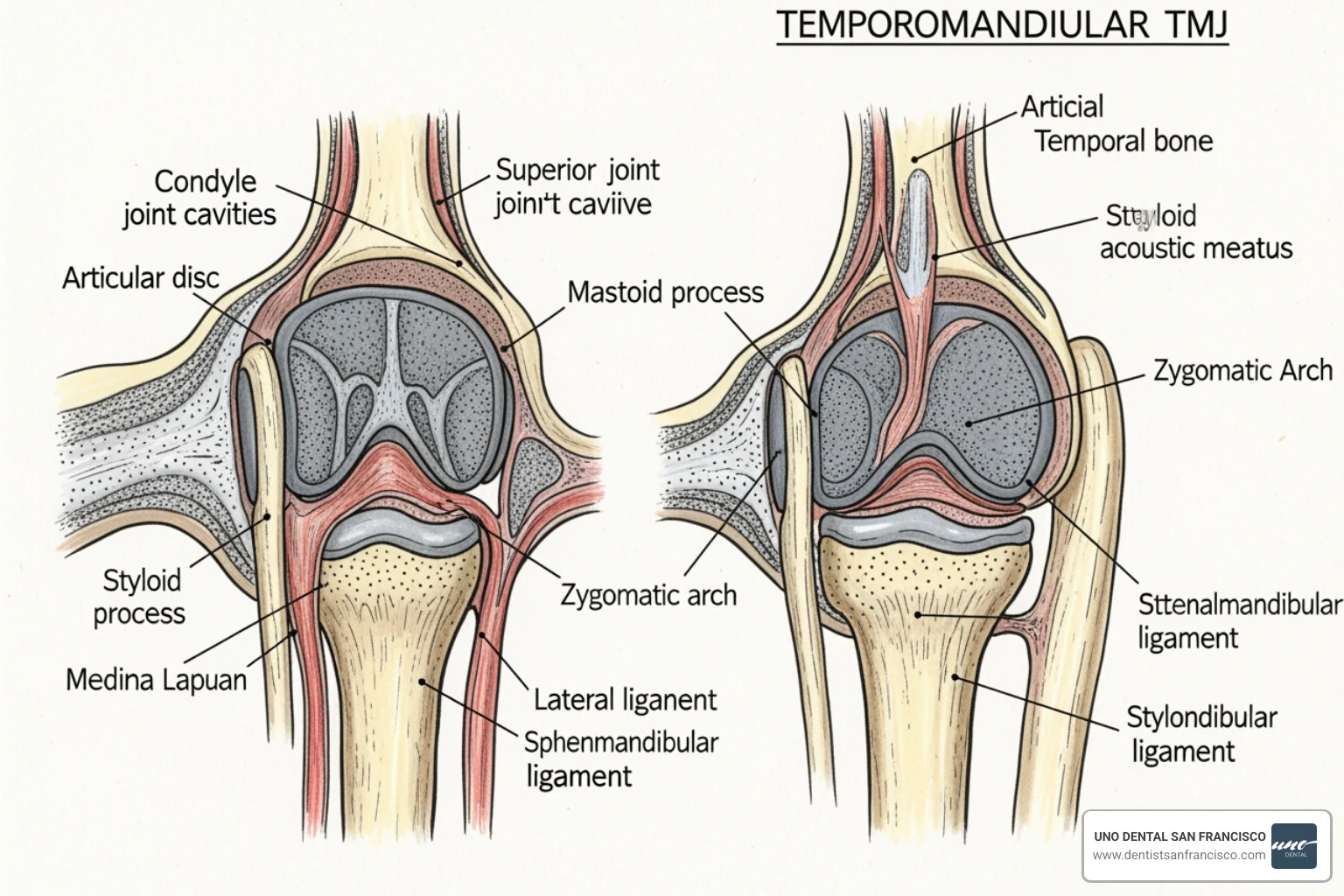
Understanding Your Treatment Options for TMJ Disorders
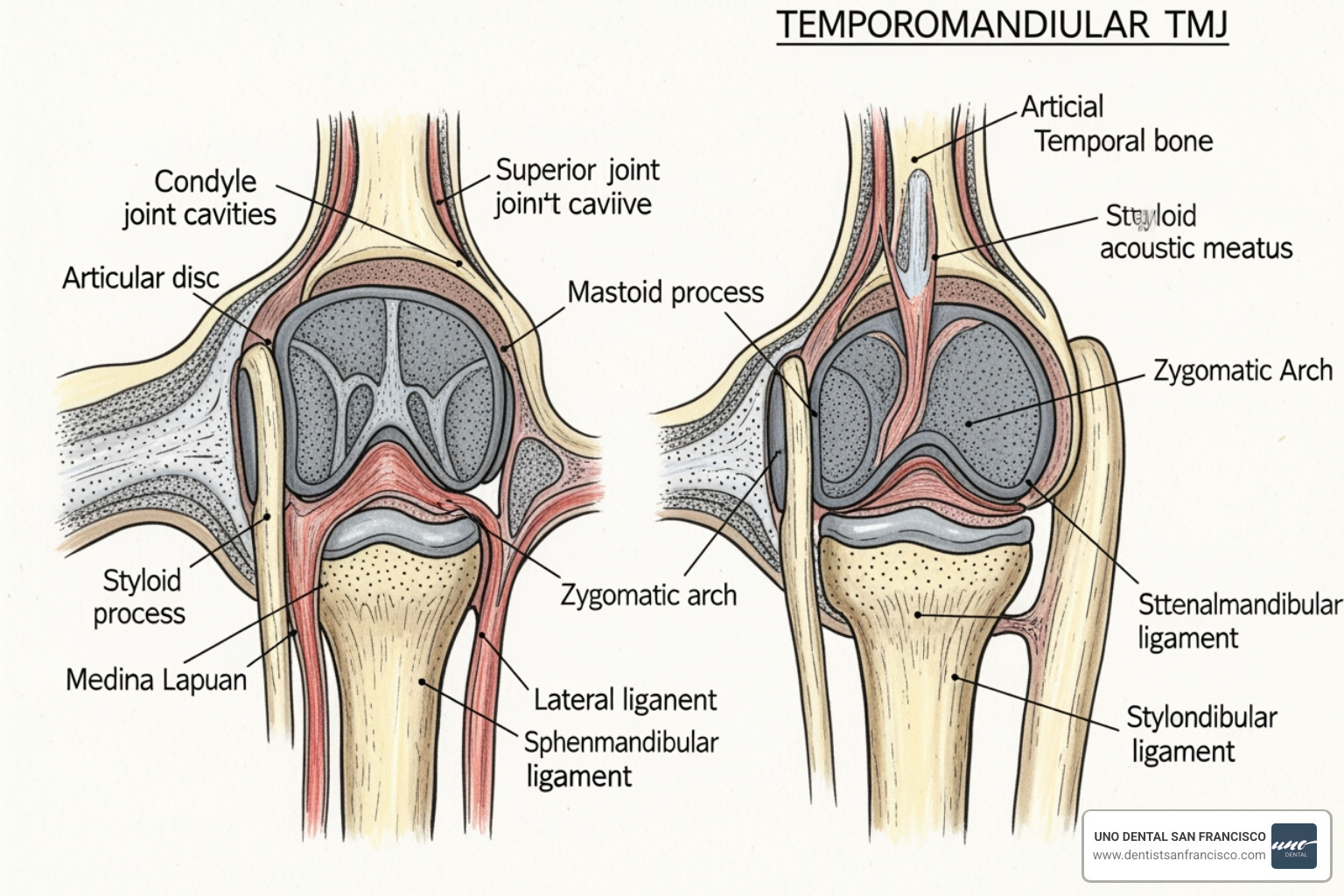
TMJ disorder treatment ranges from simple self-care to advanced surgery, but most people find relief with conservative approaches. If you have jaw pain, clicking, or chewing difficulty, you're not alone—up to 12 million Americans share these symptoms.
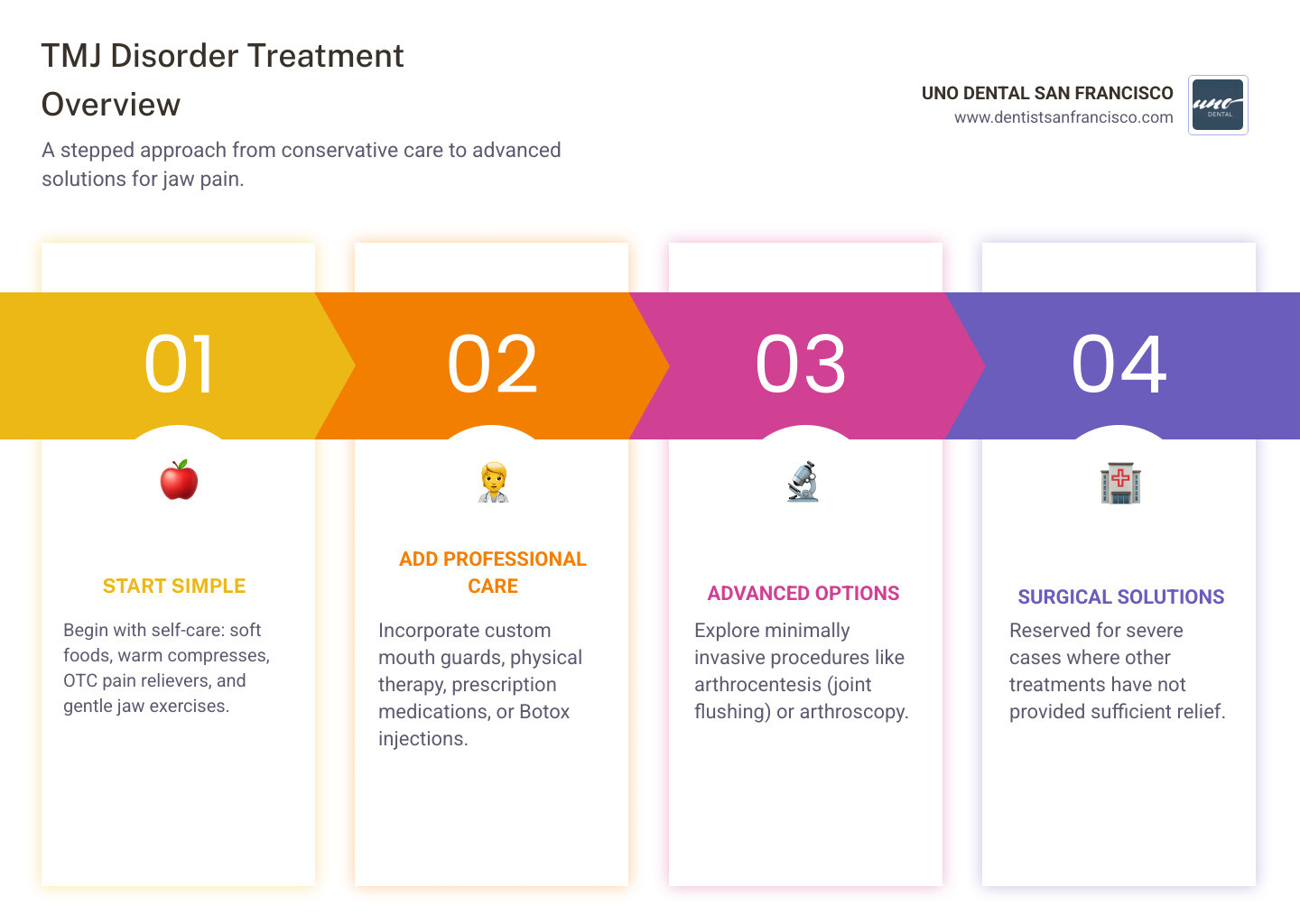
Quick Treatment Overview:
- Start Simple - Soft foods, warm compresses, over-the-counter pain relievers, and jaw exercises
- Add Professional Care - Custom mouth guards, physical therapy, prescription medications, or Botox injections
- Consider Advanced Options - Arthrocentesis (joint flushing) or arthroscopy for persistent cases
- Surgical Solutions - Reserved for severe cases when other treatments haven't worked
The good news is that research shows 50% of TMJ patients improve within one year, and 85% see relief within three years. Women aged 20-40 are more likely to develop TMJ disorders, but effective treatments are available for everyone.
Most cases respond well to non-surgical care. Your temporomandibular joint—the hinge connecting your jaw to your skull—can heal with the right combination of rest, therapy, and professional guidance.
As Dr. Mohammad Aghiad Kandar, I have over 15 years of experience helping patients find lasting relief with personalized TMJ disorder treatment plans at UNO DENTAL SAN FRANCISCO. My approach combines evidence-based therapies with cutting-edge techniques to address both symptoms and their underlying causes.
Identifying the Problem: Symptoms, Causes, and Diagnosis
Before creating an effective TMJ disorder treatment plan, we must understand what's happening with your jaw. At UNO DENTAL SAN FRANCISCO, we thoroughly evaluate your symptoms, identify causes, and use advanced diagnostics to pinpoint the problem.
A professional diagnosis is crucial, as TMJ symptoms often mimic other conditions like ear infections or chronic headaches. An accurate diagnosis ensures you receive the right treatment, saving you time and frustration.

Common Symptoms of TMJ Disorders
TMJ disorders manifest differently in each person. Recognizing the warning signs early improves treatment outcomes.
- Jaw pain or tenderness: Often the first symptom, this discomfort centers on the jaw joint or muscles, ranging from a dull ache to sharp pain.
- Headaches and migraines: Many patients experience tension-type headaches radiating to the temples or forehead. If you've treated headaches without success, your jaw may be the culprit.
- Earaches or ringing (tinnitus): The TMJ's proximity to the ear canal means jaw problems can feel like ear pain, ringing, or buzzing.
- Clicking, popping, or grinding sounds: While an occasional pop is normal, persistent or painful sounds indicate the joint isn't moving smoothly.
- Jaw locking (lockjaw): The jaw can get stuck in an open or closed position, which can be frightening and uncomfortable.
- Difficulty or pain while chewing: Eating can become a challenge, forcing many patients to alter their diet to avoid triggering pain.
- Facial pain and swelling: Inflammation can cause visible swelling and tenderness that extends to the face, neck, and shoulders.
For a deeper understanding of how these symptoms impact your daily life, visit our guide on TMJ Dysfunction: What Is It and How Is It Treated?.
Primary Causes and Risk Factors
TMJ disorders usually result from a combination of factors. Understanding these helps us design a TMJ disorder treatment plan that addresses the root problem.
- Bruxism (teeth grinding and clenching): This common habit, often occurring during sleep and fueled by stress, places tremendous pressure on the jaw joint.
- Direct jaw injury or trauma: A blow to the jaw, a car accident, or a fall can injure the joint, disc, or ligaments, with symptoms appearing immediately or gradually.
- Arthritis: Both osteoarthritis (wear-and-tear) and rheumatoid arthritis (inflammatory) can affect the TMJ, causing pain and stiffness.
- Malocclusion (misaligned bite): When teeth don't fit together properly, it creates uneven pressure on the jaw joint with every bite.
- Chronic stress and muscle tension: Stress often leads to unconscious jaw clenching and tightening of facial and neck muscles, contributing to TMJ pain.
- Poor posture: Slouching or craning your neck strains the muscles supporting your jaw, which can trigger or worsen TMJ symptoms.
How TMJ Disorders Are Diagnosed
At UNO DENTAL SAN FRANCISCO, our comprehensive diagnostic process combines a hands-on exam with advanced imaging.
Your physical examination involves listening for joint sounds, observing your jaw's range of motion for any limitations or deviations, and using palpation for pain points to identify tenderness in the jaw, face, and neck.
- Dental X-rays provide a first look at the bone structure and help rule out other dental issues.
- CT scans offer more detailed, cross-sectional images of the joint's bony components.
- MRI scans are essential for visualizing soft tissues, especially the articular disc, to see if it's displaced or damaged.
- TMJ arthroscopy, a minimally invasive procedure, uses a tiny camera to see directly inside the joint for diagnosis and even minor repairs.
This thorough approach ensures we design a personalized TMJ disorder treatment plan that targets the real problem. Explore more about our diagnostic capabilities on our TMJ tag page.
Conservative and Non-Surgical TMJ Disorder Treatment
Most TMJ disorders find relief without surgery. At UNO DENTAL SAN FRANCISCO, we start with conservative, reversible treatments that allow your jaw to heal naturally while we address the underlying causes. This low-risk approach is highly effective; research shows that 50% of TMJ patients improve within one year and that number jumps to 85% within three years. Combining several therapies often delivers the best results.
Lifestyle Changes and Home Remedies
Small daily habits can significantly aid your TMJ disorder treatment and recovery.
- A soft food diet gives your jaw muscles needed rest. Eating soups, smoothies, and tender foods reduces strain on the TMJ.
- Avoid hard, chewy, or sticky foods like gum, tough meats, and caramel. Also, avoid using your teeth as tools.
- Practicing a relaxed jaw posture prevents unconscious clenching. Keep your teeth slightly apart, with your tongue resting on the roof of your mouth, except when eating.
- Gentle jaw stretching and relaxation exercises, guided by us, can improve mobility and reduce stiffness. Never push through pain.
- Stress management techniques like deep breathing, meditation, or yoga are essential, as stress is a major trigger for jaw clenching.
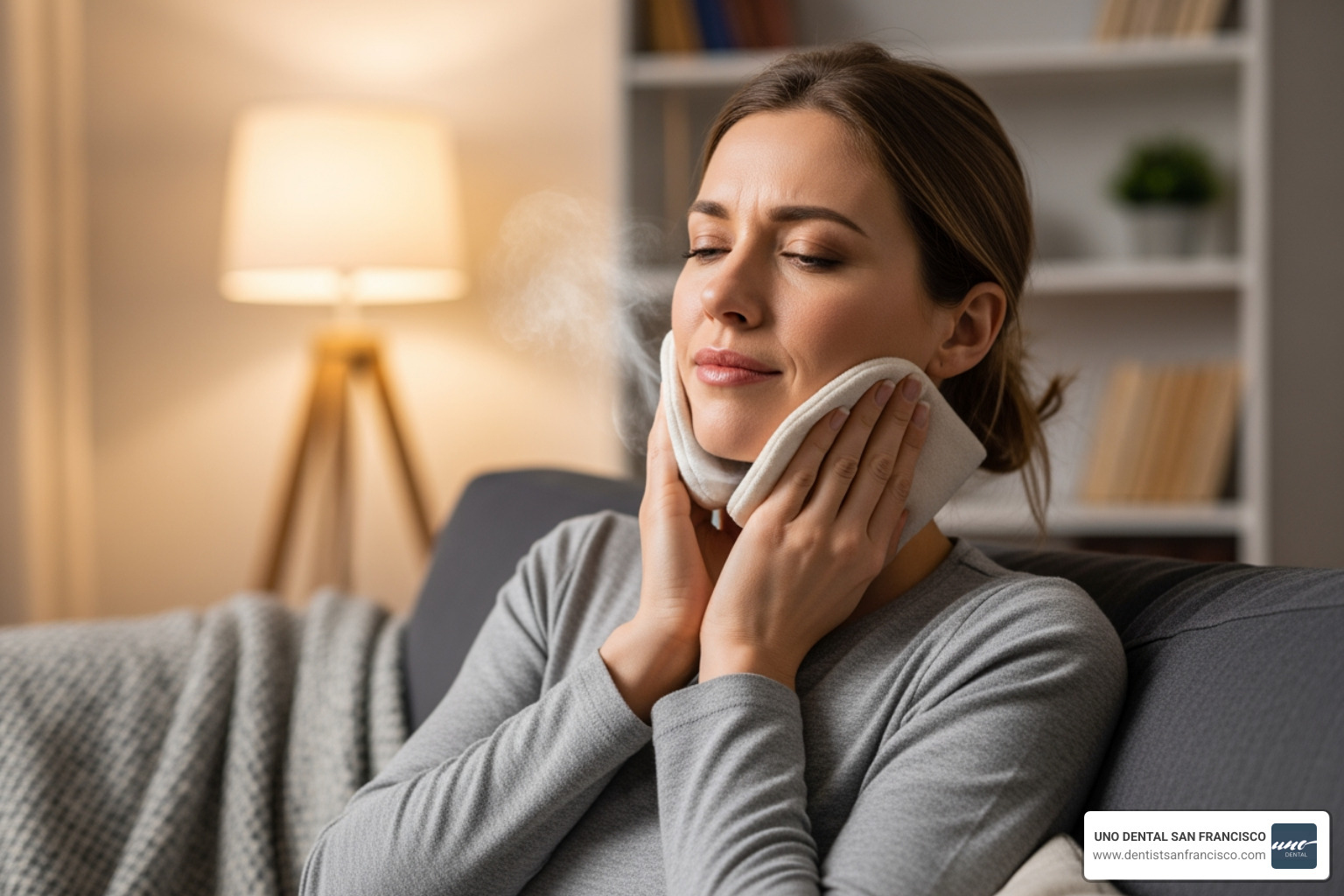
- Thermal therapy is a popular home remedy. Moist heat relaxes tight muscles and is ideal for dull aches, while cold packs reduce inflammation and numb sharp pain.
| Therapy Type | Benefits for TMJ | Application Method | Best For |
|---|---|---|---|
| Moist Heat | Increases blood circulation, relaxes muscles, reduces dull aches. | Soak a washcloth in warm water, apply for 20 minutes. | Dull, steady aches, muscle stiffness. |
| Cold Packs | Decreases inflammation, numbs pain, reduces sharp pain. | Wrap ice pack in a thin towel, apply for 10-15 minutes (max 20). Repeat every two hours as needed. | Sharp pain, acute inflammation. |
Always wrap cold packs to protect your skin and test heat applications to avoid burns.
Medications for TMJ disorder treatment
Medications can provide initial relief while other therapies take effect. We typically start with over-the-counter options.
- Over-the-counter NSAIDs (ibuprofen, naproxen) reduce both pain and inflammation. Acetaminophen is another option for pain management.
- Prescription-strength muscle relaxants can ease severe muscle spasms and tension for short-term use.
- Low-dose tricyclic antidepressants can be effective for chronic TMJ pain and bruxism. We carefully review your medical history, as some other antidepressants (SSRIs) may worsen bruxism.
Professional Therapies and Appliances
When home care isn't enough, professional therapies are the next step in your TMJ disorder treatment journey.
- Physical therapy with a specialist can be transformative. They guide you through exercises and may use ultrasound therapy, TENS (Transcutaneous Electrical Nerve Stimulation), and manual techniques to release tension and promote healing.
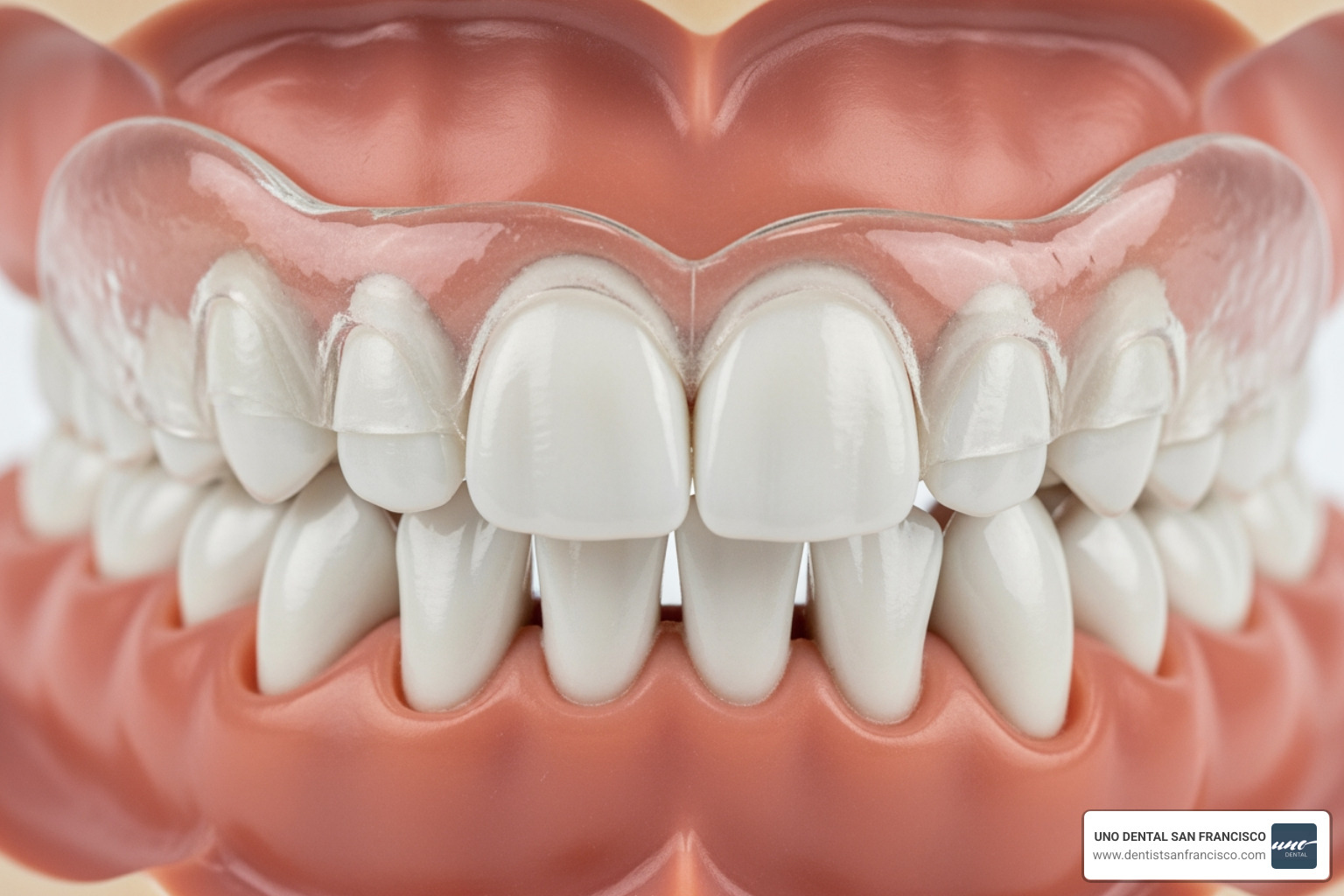
- Custom-made oral splints or mouth guards are highly effective. Unlike generic versions, these are precisely fabricated for your mouth to be worn at night. They cushion against grinding forces, stabilize the joint, and improve bite alignment.
- Botox injections are a safe, effective option for managing related myofascial pain. Injected into jaw muscles, Botox relaxes them, reducing pain and involuntary clenching for several months.
At UNO DENTAL SAN FRANCISCO, we combine these therapies based on your specific needs. For more information about these and other approaches, visit our TMD tag page.
When to Consider Advanced and Surgical Options
When conservative care isn't enough, a more direct approach may be needed. We consider advanced or surgical TMJ disorder treatment when you experience persistent, severe pain despite conservative efforts, when imaging reveals significant structural problems, or when jaw function is severely limited. At UNO DENTAL SAN FRANCISCO, surgery is always a last resort, but when necessary, we ensure you understand all available options.
Minimally Invasive Procedures
Before traditional surgery, we explore less invasive options that offer real results with faster recovery.
- Arthrocentesis is a procedure that "flushes" the joint with sterile fluid. This washes out inflammatory debris, breaks down adhesions restricting movement, and can dramatically improve mobility and pain. It is a same-day procedure with rapid improvement for many patients.
- Arthroscopy uses a miniature camera inserted through a tiny incision to provide a direct view inside your joint. This allows for precise diagnosis and treatment in one procedure. We can remove scar tissue, reshape bone, or wash out the joint, all with a much faster healing time than traditional surgery.
Surgical TMJ disorder treatment procedures
For significant structural damage or severe dysfunction, surgery may be the best path to relief. These procedures are performed by highly skilled oral and maxillofacial surgeons.
- Modified condylotomy is a surgery on the jawbone (mandible), not the joint itself. It is effective for relieving pain and correcting jaw locking by reducing pressure on the joint disc.
- Open-joint surgery (arthrotomy) involves a larger incision to directly access the TMJ for more extensive repairs. This allows us to reposition a displaced disc, remove bone spurs, or repair damaged joint surfaces.
- Total joint replacement is an option for the most severe cases, such as extensive degeneration or trauma. We replace the entire TMJ with a custom-made prosthetic joint. For certain conditions like TMJ ankylosis in younger patients, costochondral graft reconstruction is the gold standard approach.
While rare, a potential complication after TMJ surgery is "first bite syndrome"—pain triggered by taste when you first start eating, which typically resolves over time.
Navigating Your Treatment Journey
The path to relief from TMJ pain isn't always linear, but the long-term outlook for most patients is generally positive. With early diagnosis and appropriate TMJ disorder treatment, many people experience significant improvement and return to normal jaw function.
However, untreated TMJ disorders can lead to chronic pain, sleep disruption, further joint damage, and changes in bite alignment. Consulting a specialist for early intervention is key to preventing these long-term consequences.
At UNO DENTAL SAN FRANCISCO, we view your treatment as a partnership. We believe that when you understand your condition and options, you are better equipped to make decisions that align with your goals.
Questions to Ask Your Healthcare Provider
We encourage you to come to your appointment with questions. The more you understand, the more confident you'll feel. Consider asking:
- How was my diagnosis made? Understanding the results of your physical exam, X-rays, CT scans, or MRI helps you grasp the nature of your condition.
- What are all my treatment options? We will walk you through everything from conservative approaches to advanced procedures, explaining the potential benefits and risks of each.
- What are the success rates for my case? We provide realistic expectations based on research and our clinical experience, defining what "success" means for you.
- What is the recovery time, cost, and insurance coverage? These practical details help you plan for healing and financial considerations.
- How often are follow-up appointments needed? Knowing the treatment timeline helps you commit to the full process.
- What signs indicate the treatment is working? We'll discuss milestones to look for and when we might need to adjust our approach.
- Do I need referrals to other specialists? If complementary care like physical therapy or counseling would be beneficial, we can provide referrals to trusted specialists.
We set aside time to address every concern. Your comfort and understanding are paramount to your TMJ disorder treatment and successful outcome.
Conclusion: Find Lasting Relief from TMJ Pain in San Francisco
Living with jaw pain doesn't have to be your reality. We've explored the full spectrum of TMJ disorder treatment, from simple home care to professional interventions and, when necessary, surgical solutions.
The journey to relief begins with understanding that most TMJ disorders respond well to conservative care. Up to 85% of patients see improvement within three years. The key is finding the right combination of treatments for your unique situation.
Your path to a pain-free jaw starts with a proper diagnosis and a personalized treatment plan. At UNO DENTAL SAN FRANCISCO, Dr. Mohammad Aghiad Kandar and our team use over 15 years of specialized experience to create a strategy that addresses both your immediate discomfort and long-term jaw health. Our high-tech, holistic approach means all the expertise you need is under one roof.
You've taken the first step by learning about your options. Now, take action. If you're experiencing jaw clicking, headaches, or difficulty chewing, don't wait for symptoms to worsen.
Schedule your comprehensive oral surgery consultation in San Francisco with us today. Together, we'll create a plan that brings you lasting relief and helps you refind the joy of a comfortable, pain-free smile.