

Why Sedation for Wisdom Teeth Makes All the Difference
Sedation for wisdom teeth involves the use of medication to minimize pain, anxiety, and discomfort during the extraction process. The primary options available include:
| Sedation Type | Consciousness Level | Best For |
|---|---|---|
| Local anesthesia | Fully awake, area numbed | Simple, fully erupted teeth |
| Nitrous oxide | Awake, relaxed, euphoric | Mild anxiety |
| Oral sedation | Drowsy but responsive | Moderate anxiety |
| IV sedation | Semi-conscious (twilight) | Impacted teeth, moderate-high anxiety |
| General anesthesia | Fully unconscious | Complex cases, severe anxiety |
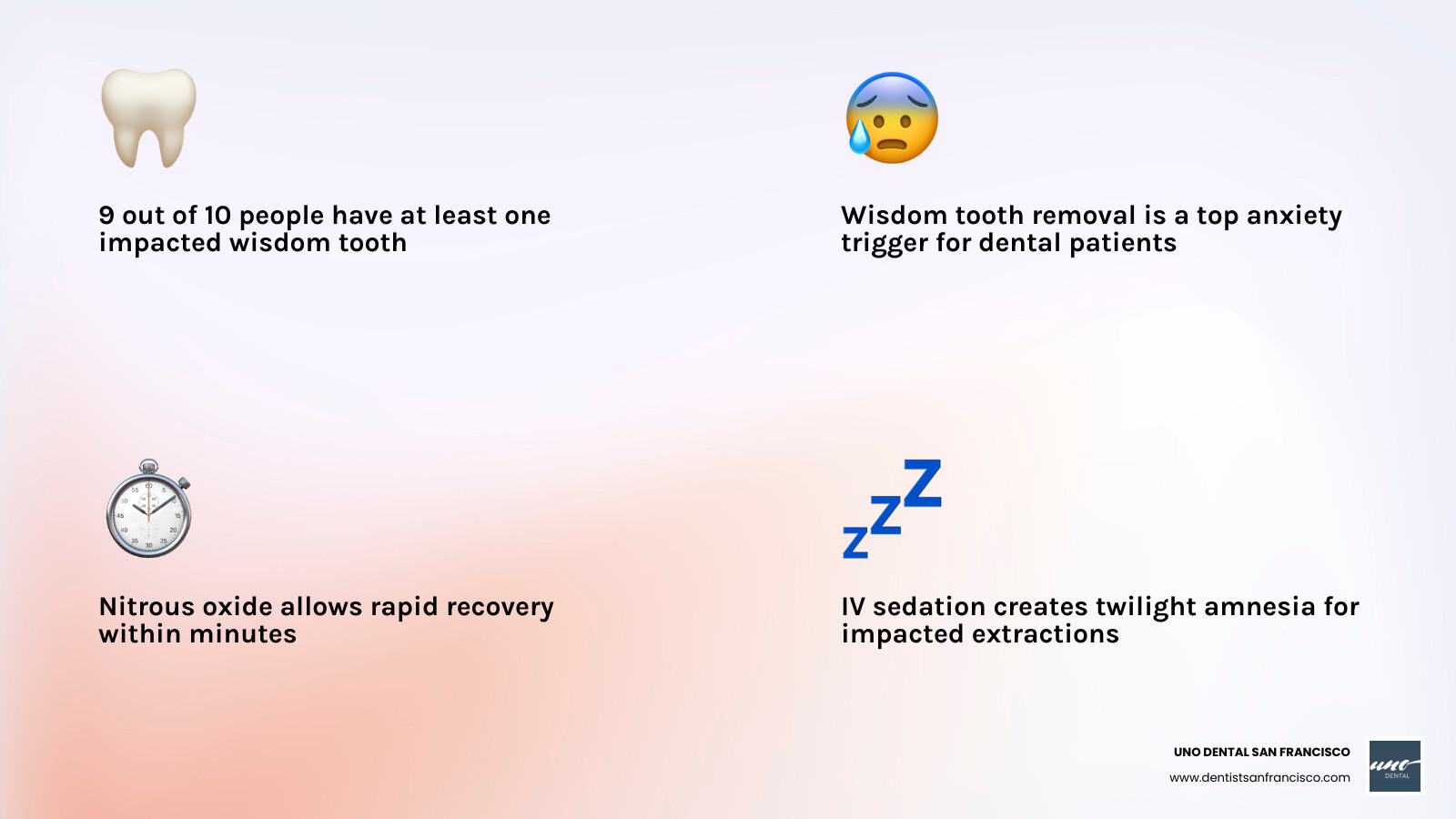
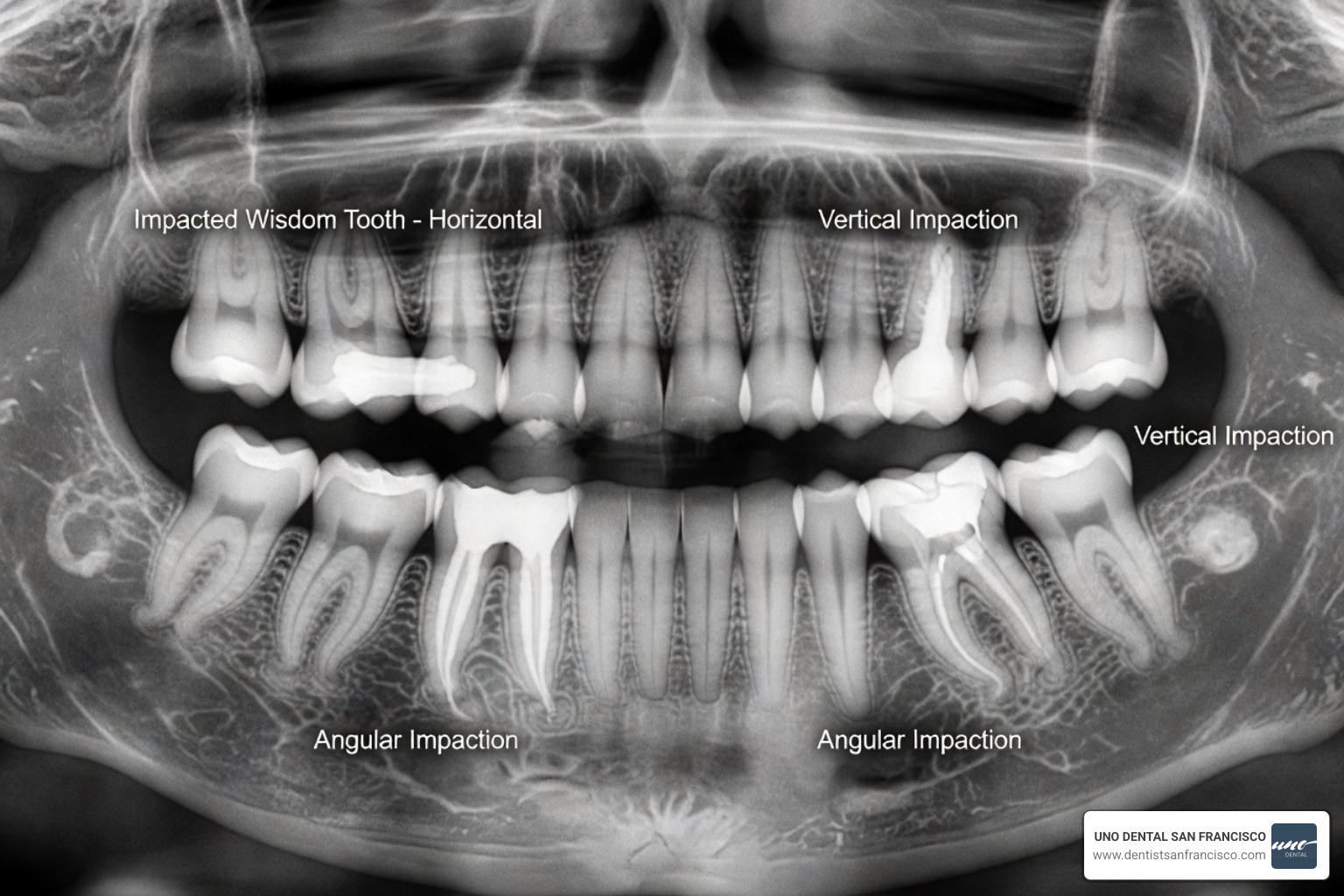
Wisdom teeth — your third molars — are the final set of teeth to emerge, typically between the ages of 17 and 25. Research indicates that approximately 90% of individuals will experience at least one impacted wisdom tooth in their lifetime. Impacted teeth are those that remain trapped beneath the gum line or grow at an angle, necessitating a more involved removal process that can often induce anxiety.
It is entirely normal to feel apprehensive about dental surgery. However, modern sedation techniques allow dentists to treat millions of patients safely and comfortably every year. The appropriate sedation level makes the procedure virtually painless, and many patients retain little to no memory of the experience.
I'm Mohammad Aghiad Kandar, DDS, and with over 15 years of clinical experience — including specialized training in sedation monitoring — I've helped countless patients navigate sedation for wisdom teeth comfortably and safely at UNO DENTAL SAN FRANCISCO. In this guide, I'll walk you through everything you need to know to make a confident, informed decision.
Learn more about sedation for wisdom teeth:
Comparing Your Options for Sedation for Wisdom Teeth
When discussing sedation for wisdom teeth, we consider a spectrum of comfort levels. The objective is to align the level of sedation with both the complexity of the surgical procedure and your personal level of anxiety. At UNO DENTAL SAN FRANCISCO, we prioritize a holistic, high-tech approach, ensuring your choice facilitates a safe and stress-free experience.

The American Association of Oral and Maxillofacial Surgeons guidelines on anesthesia types categorize these options based on their effect on consciousness. While some patients require only local numbing, others prefer to be fully unconscious. Reviewing more info about dental anesthesia can help you determine which path is most appropriate for your needs.
Nitrous Oxide: Mild Sedation for Wisdom Teeth
Commonly referred to as "laughing gas," nitrous oxide is a frequently utilized form of mild sedation. Administered through a small mask over the nose, the gas induces a state of relaxation and mild euphoria within minutes.
According to the American Dental Association's view on nitrous oxide safety, it is a safe and effective option for both adults and children. A primary advantage of this method is its rapid recovery time; the effects dissipate almost immediately once the gas is discontinued. Consequently, patients who use nitrous oxide alone can typically drive themselves home. For further details, please see our details on nitrous oxide services.
IV Sedation for Wisdom Teeth: The Most Common Choice
For many patients in San Francisco, IV sedation represents the ideal balance of comfort and safety. Often called "twilight sleep," this moderate sedation involves administering medication directly into the bloodstream.
Key benefits include:
- The Amnesia Effect: Although you are not technically unconscious and can respond to basic instructions, you will likely have no memory of the procedure.
- Efficiency: It allows the surgical team to perform complex extractions, such as those involving bone removal, while you remain perfectly still and relaxed.
- Safety: We utilize medications like Propofol to maintain deep relaxation while ensuring you continue to breathe independently.
This is often the preferred route for impacted teeth. You can find a complete guide to sedation dentistry on our site to evaluate if this fits your requirements.
Oral Sedation and General Anesthesia
Oral sedation involves taking a prescribed sedative, such as Valium or triazolam, approximately one hour before your appointment. This induces significant drowsiness and reduces awareness of the clinical environment.
General anesthesia is typically reserved for the most complex impactions or patients with severe dental phobia. In this state, you are fully unconscious and require intensive monitoring. While all forms of anesthesia are administered with the highest safety standards, understanding the risks of local anesthesia according to the NHS—such as temporary dizziness—is part of our thorough pre-surgical health screening.
How to Prepare for a Sedative Procedure
Preparation is essential for a safe surgical experience. During your initial consultation at UNO DENTAL SAN FRANCISCO, we will review your medical history and discuss your specific goals for the procedure.

Pre-Operative Instructions
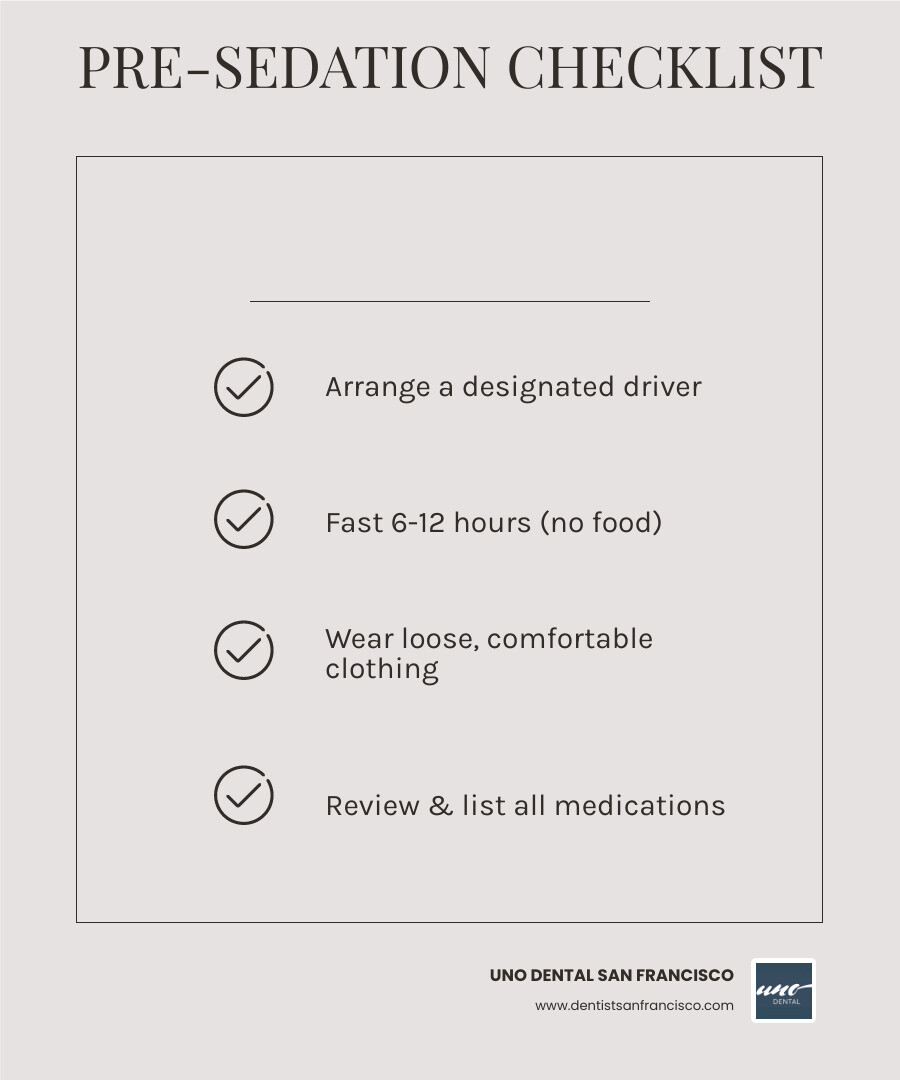
If you opt for sedation for wisdom teeth (specifically IV or general anesthesia), you must adhere to strict fasting protocols. The ASA (American Society of Anesthesiologists) guidelines generally recommend:
- No food or heavy liquids: 6 to 12 hours prior to surgery.
- Clear liquids: Only up to 2 hours before (if specifically approved by your surgeon).
We also recommend wearing loose, comfortable clothing with sleeves that can be easily rolled up for IV access. Please disclose all current medications, as some may need to be temporarily paused. Following these painless wisdom tooth removal tips ensures your body is prepared for the sedative. For more on the surgical process, read about preparing for impacted wisdom tooth surgery.
Transportation and Safety Requirements
For your safety, if you receive any sedation beyond local anesthesia or standalone nitrous oxide, you must have a designated driver.
The effects of IV and oral sedatives can linger for several hours, impairing judgment and motor skills. We require a responsible adult to drive you home and remain with you for the first few hours of recovery. You should avoid signing legal documents or making major decisions for 24 to 48 hours. Understanding sedation meaning and safety helps you plan for this necessary period of rest.
Recovery and Aftercare Following Sedation
Recovery occurs in two distinct phases: the immediate period following sedation and the long-term healing of the surgical site.
| Sedation Type | Immediate Recovery (at office) | Driving/Normal Activity |
|---|---|---|
| Nitrous Oxide | 5-10 minutes | Immediate |
| Oral Sedation | 30-60 minutes | 24 hours later |
| IV Sedation | 15-30 minutes | 24-48 hours later |
| General Anesthesia | 45-90 minutes | 48 hours later |
Initially, you may feel lightheaded, slightly nauseous, or experience a dry mouth. These are common side effects of anesthesia. Our team monitors you in a comfortable recovery area until you are alert enough for dismissal. For a comprehensive overview of the timeline, see our guide to wisdom teeth extraction recovery.
Preventing Complications Like Dry Socket
The most critical aspect of recovery is protecting the blood clot that forms at the extraction site. If this clot is dislodged, it can lead to a painful condition known as "dry socket."
- Avoid Straws: The suction can dislodge the blood clot.
- No Spitting: Use gauze to absorb blood rather than spitting forcefully.
- Saltwater Rinses: Beginning 24 hours after surgery, gently rinse with warm salt water to maintain cleanliness.
Managing dental anesthesia side effects such as swelling is also vital. We recommend applying an ice pack for 20-minute intervals during the first 24 hours.
Resuming Normal Activities
Most patients can return to school or work within 2 to 3 days, although full bone healing takes approximately six weeks. Maintain a soft food diet—including yogurt, mashed potatoes, and smoothies (without straws)—for the first few days. If you experience persistent pain that is not managed by your prescribed regimen, contact us immediately. Review our post-extraction care instructions for a complete list of recovery protocols.
Factors That Determine Your Best Sedation Level
Not every wisdom tooth extraction requires deep sedation. We evaluate several factors to customize a plan that meets your specific needs.
Assessing Procedure Complexity and Impaction
If your wisdom teeth are fully erupted and correctly aligned, local anesthesia may be sufficient. However, if the teeth are impacted—meaning they are trapped under bone or gum tissue—the procedure becomes more complex. In cases such as a "coronectomy," where only the crown is removed to protect a nearby nerve, we often suggest higher levels of sedation to ensure you remain perfectly still. You can find more impacted wisdom tooth surgery details here.
Evaluating Patient Health and Anxiety
Your mental comfort is as important as your physical well-being. If you have a sensitive gag reflex, claustrophobia, or high dental anxiety, sedation for wisdom teeth is a highly effective solution. We also review your cardiovascular health and BMI, as certain conditions may influence which type of sedation is safest for you. Choosing a sedation dentist near you who understands these clinical nuances is vital. Visit our page on sedation dentistry in San Francisco to see how we tailor our approach.
Frequently Asked Questions about Sedation for Wisdom Teeth
Are you awake or fully asleep during the procedure?
This depends on the sedation method selected. With nitrous oxide and oral sedation, you remain awake but deeply relaxed. With IV sedation (conscious sedation), you are in a "twilight" state where you are technically semi-conscious but typically have no memory of the procedure. Only general anesthesia involves being fully unconscious. Read more about what is conscious sedation?
Is sedation always necessary for wisdom teeth removal?
Sedation is not always strictly necessary. For simple, non-impacted extractions, local anesthesia alone may suffice. However, most patients choose at least nitrous oxide for enhanced comfort. Your personal preference is a significant factor in this decision. Learn about wisdom teeth removal in SF for various clinical scenarios.
How much does sedation typically cost?
The cost varies based on the type of sedation and the duration of the procedure. Nitrous oxide is generally the most affordable option, while IV sedation and general anesthesia involve higher costs due to the specialized equipment and monitoring required. Many insurance plans provide coverage for sedation if it is deemed medically necessary, such as for impacted teeth. We can help you navigate the cost of wisdom tooth extraction in San Francisco during your consultation.
Conclusion
At UNO DENTAL SAN FRANCISCO, we believe that dental care should be a high-tech, holistic experience centered on the patient. We understand that the prospect of wisdom tooth removal can be daunting, but with the right sedation for wisdom teeth, the process can be comfortable and stress-free. Whether you require the light relaxation of nitrous oxide or the "twilight" comfort of IV sedation, our team provides individualized treatment in a warm, welcoming environment.
This article has been reviewed for clinical clarity and publication readiness by our dental team at UNO DENTAL SAN FRANCISCO.
If you are ready to prioritize your oral health and say goodbye to wisdom tooth pain, we offer free virtual smile consultations to help you get started from the comfort of your home. Schedule your consultation with a San Francisco sedation dentist at UNO DENTAL SAN FRANCISCO today and let us help you achieve a healthy, pain-free smile.